Definition and Meaning of State and Local Forms
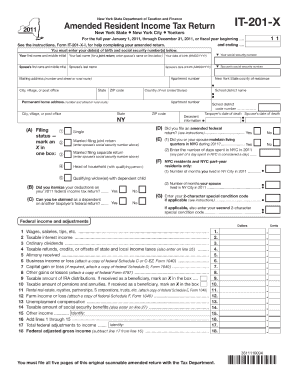
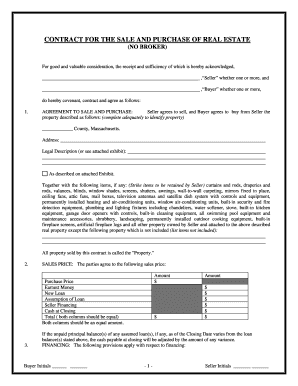
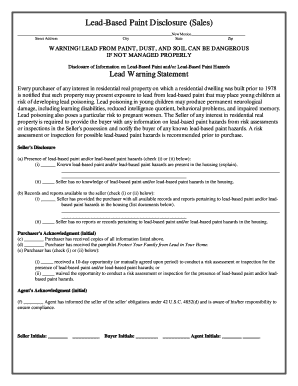
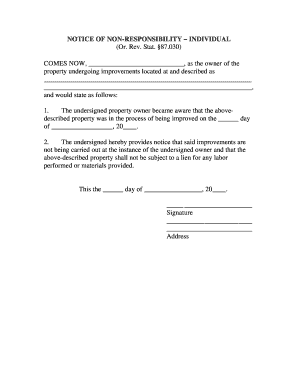
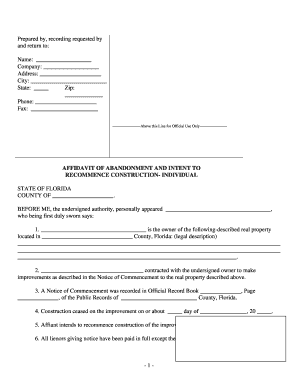
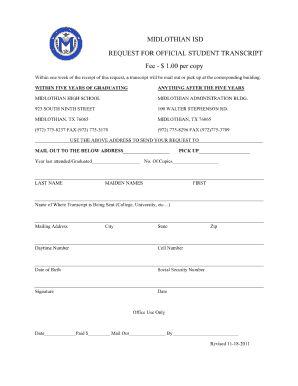
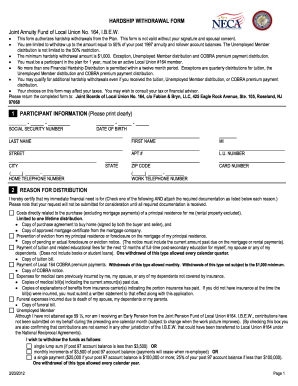
State and local forms are official documents used to submit information required by government authorities at the state or local level. These forms vary depending on the jurisdiction and the specific purpose they serve, such as tax filings, business registrations, or permits. Understanding the role of these forms is crucial for compliance with regional regulations. They collect vital data from individuals, organizations, and businesses, ensuring that legal and administrative obligations are met according to specific local regulations.
Purpose and Utility
State and local forms are designed to streamline regulatory processes and facilitate communication between government entities and the public. They may include applications, certificates, or notifications, depending on the jurisdiction's requirements. These forms help standardize the information collection process, simplify procedures, and ensure that all necessary legal and regulatory requirements are fulfilled. By submitting these forms, entities can perform actions such as registering a new business, declaring taxes, or requesting government services.
How to Use State and Local Forms
Understanding the Application Process
To effectively utilize state and local forms, it's important to understand the application process associated with each type of form. Generally, these forms require specific information and supporting documents, which must be gathered and organized before submission. Forms often contain sections that request personal, financial, or business-related information, depending on their purpose. Carefully read instructions provided with each form to ensure accurate completion.
Step-by-Step Instructions
- Identify the required form: Determine which form is necessary based on the specific action or request to be made.
- Gather supporting documents: Collect all necessary paperwork before starting the form.
- Complete the form: Fill out the form with the required information, ensuring all fields are accurately completed.
- Review and verify: Double-check all entries for accuracy and completeness.
- Submit the form: Follow the specified submission method, which could be online, by mail, or in-person.
How to Obtain State and Local Forms
Access Points and Availability
Obtaining state and local forms can be achieved through various channels depending on the issuing authority. Forms are typically available on official government websites for respective state or local agencies. In some cases, physical forms can also be picked up at government offices or specific distribution points. For businesses or individuals who prefer digital transactions, online platforms often provide downloadable versions of these forms.
Online and Physical Access
- Government Websites: Most state and local forms are available on dedicated sections of government websites, where they can be downloaded or electronically completed.
- In-Person Acquisition: Forms may also be obtained from local government offices, libraries, or community centres that provide public access to government resources.
- Mail Request: Some jurisdictions offer the option to request forms to be mailed to the requester’s address.
Steps to Complete State and Local Forms
Detailed Instructions and Recommendations
Completion of state and local forms requires a meticulous approach to ensure accuracy and compliance with legal requirements. Each form typically comes with instructions, guiding users through required fields and documentation. Being thorough and precise is essential to prevent rejections or legal issues, as incorrect information can lead to delays or additional penalties.
Necessary Steps for Form Completion
- Read All Instructions: Before beginning, read all provided instructions to understand specific requirements.
- Use Correct Formats: Many forms require information in specific formats (e.g., dates, contact information).
- Attach Documentation: Include all required documents, such as proof of identity or financial statements.
- Designate Signatory: Ensure the correct individual is signing the form, as unauthorized signatures can invalidate the submission.
- Seek Clarifications: Contact relevant authorities if any section of the form is unclear or if instructions seem ambiguous.
Key Elements of State and Local Forms
Core Components and Information Required
Understanding the key elements of state and local forms can aid individuals and businesses in providing complete and accurate information. Forms typically contain essential fields that correspond to specific legal or operational requirements. These fields cover identifying information, the purpose of the form, supporting documents, and specific declarations or certifications.
Common Sections and Their Significance
- Identifying Information: Personal or business identifiers such as names, addresses, and tax identification numbers.
- Purpose and Details: A description of the action or request being documented and any pertinent details stating the intention.
- Declarations and Certifications: Legal statements or affirmations that must be acknowledged and signed to validate the form.
- Supporting Documentation: Lists of required attachments that provide evidence or additional information relevant to the form.
State-Specific Rules for State and Local Forms
Variations Across Different Jurisdictions
State-specific rules can significantly impact the content and submission process of these forms. Different states may have unique requirements and guidelines governing their use, dictating the necessary documentation and procedural steps. This variability is crucial for users to understand, especially if they operate in multiple states or have complex record-keeping needs.
Key Considerations by State
- Form Naming and Numbering Conventions: Each state might have unique designations for similar forms.
- Submission Guidelines: States often have specific instructions for how forms must be submitted, including deadlines and methods.
- Regulatory Differences: Variations in state laws may affect eligibility criteria and the requirements for approval or exemption.
Examples of Using State and Local Forms
Practical Scenarios and Case Studies
Real-world examples highlight how state and local forms are utilized across various scenarios. Understanding these examples helps illustrate the practical applications and benefits of these forms for individuals and businesses. Whether it’s registering for a business license, filing for tax exemptions, or updating company information, the use cases for these forms underscore their significance in regulatory compliance.
Typical Use Cases
- Business Registration: Filing official paperwork to legally establish a business entity within a state.
- Property Tax Exemption Applications: Using specific forms to apply for exemptions on real estate taxes.
- Licensing and Permits: Completing necessary forms to obtain operational licenses and permits required by local municipalities.
Filing Deadlines and Important Dates
Critical Timelines and Compliance
Meeting filing deadlines is essential for ensuring state and local forms serve their intended purpose without incurring penalties. Each form typically comes with specific timelines or due dates for submission, adherence to which is crucial for legal compliance. Missing these deadlines can lead to fines, interest charges, or barriers to obtaining necessary approvals.
Tracking Deadlines and Avoiding Penalties
- Set Alerts and Reminders: Use digital calendars or reminder services to keep track of crucial dates.
- Understand Consequences of Late Filing: Familiarize yourself with any penalties or repercussions associated with missing deadlines.
- Submit in Advance: Strive to complete and submit forms well ahead of due dates to account for any unforeseen issues.
Required Documents for State and Local Forms
Documentation Needs for Successful Filing
State and local forms often necessitate additional documents to support or validate the information submitted. Compiling these documents in advance is key to a smooth filing process. Depending on the form’s purpose, required documents may include proof of identity, financial statements, tax returns, or corporate resolutions.
Assembling Required Paperwork
- Identification Proofs: Driver’s licenses, passports, or state-issued ID cards.
- Financial Statements: Bank statements, income reports, or balance sheets.
- Legal Documents: Contracts, leases, or corporate documentation when required.
- Property Information: Deeds, appraisals, or lease agreements for property-related forms.