



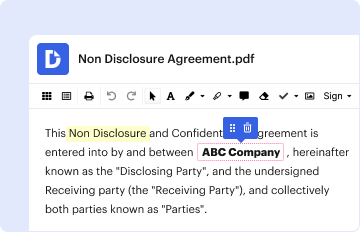
01. Edit your form online
Type text, add images, blackout confidential details, add comments, highlights and more.

Type text, add images, blackout confidential details, add comments, highlights and more.
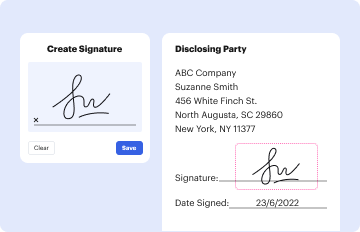
Draw your signature, type it, upload its image, or use your mobile device as a signature pad.
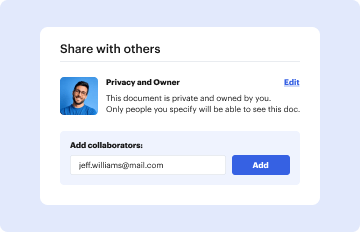
Send it via email, link, or fax. You can also download it, export it or print it out.
The RC 116 Inventory is a comprehensive form used to document farm personal property. It incorporates categories such as livestock, machinery, and farm products, serving as a vital tool for evaluating necessary insurance coverage. With sections dedicated to listing items, their values, and calculating totals, this form ensures that farm owners maintain at least 80% insurance on the actual cash value of their assets. Providing clear guidelines, this form caters to the nuanced needs of farm-based operations, assisting stateside farmers in accurately assessing and insuring their property.
Gather Necessary Information: Collect data on all items, including livestock, machinery, equipment, and supplies.
List Property and Values: Itemize each property type and assess its current market value. Be thorough to ensure adequacy in insurance coverage.
Complete Total Calculations: Sum the values to get an overall estimate of your property's worth.
Review for Accuracy: Double-check entries to avoid errors, ensuring the form reflects precise information.
Comprehensive documentation and careful analysis are critical, as accurate completions aid in achieving optimal insurance support for your farm assets.
Utilizing the RC 116 Inventory involves detailed itemization and value assessments of farm personal property. Begin by categorizing assets into sections provided in the form. This structured approach facilitates a clear and organized record, aiding in insurance and financial planning. By leveraging the provided framework, you can accurately determine which items require insurance and at what levels, effectively managing risk and planning for contingencies.
The form's key components include:
Each element plays a role in protecting farm assets through adequate insurance coverage, creating a comprehensive picture of your farm's property and value for informed decision-making.
Completing the form ensures informed decision-making for farm owners. By documenting all property and its value, you create a safeguard mechanism through adequate insurance coverage, preventing losses from unforeseen events. Additionally, thorough completion aids in financial planning, tax preparation, and loan procurement, thus supporting overall business stability and growth.
Legally, the RC 116 Inventory aids in compliance with insurance and taxation requirements. Accurate representation of farm property allows for claims processing, tax deductions, and record maintenance per regulations. This compliance is crucial to staying aligned with legal obligations, safeguarding asset value, and ensuring peace of mind for farm operations.
Typically used by farm owners, this inventory form is invaluable for agricultural businesses. Insurance agents and financial planners also reference it to provide tailored advice and services. Its user base includes anyone involved in managing or advising on farm-based assets and operations, ensuring broad applicability across the agricultural sector.

State-specific regulations may influence the completion and submission of the RC 116 Inventory. Some states require additional documentation or specific formats. Familiarizing yourself with your state's mandates ensures compliance, addressing variations and nuances that can affect the use and processing of the inventory across different jurisdictions.
In practice, a farmer may utilize the RC 116 Inventory to prepare for an insurance renewal. By listing new equipment purchases or changes in livestock, they ensure accurate insurance coverage. Another scenario involves tax filing, where the inventory serves as supporting documentation for asset valuation and depreciation claims, illustrating its versatility and practical importance.
At DocHub, your data security is our priority. We follow HIPAA, SOC2, GDPR, and other standards, so you can work on your documents with confidence.

by WP Ranney 1935 The records kept by the cooperators included inventories at the begin- ning and end of the year, cash receipts and expenses, a report of feed fed to the variousRead more
(11) Property means (i) currency or tangible personal property held by a holder that is physically located in a safe deposit box or other safekeepingRead more


