



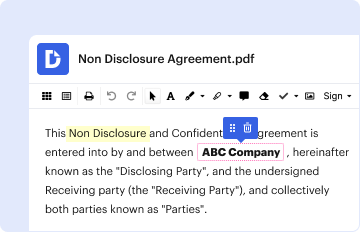
01. Edit your form online
Type text, add images, blackout confidential details, add comments, highlights and more.

Type text, add images, blackout confidential details, add comments, highlights and more.

Draw your signature, type it, upload its image, or use your mobile device as a signature pad.

Send it via email, link, or fax. You can also download it, export it or print it out.
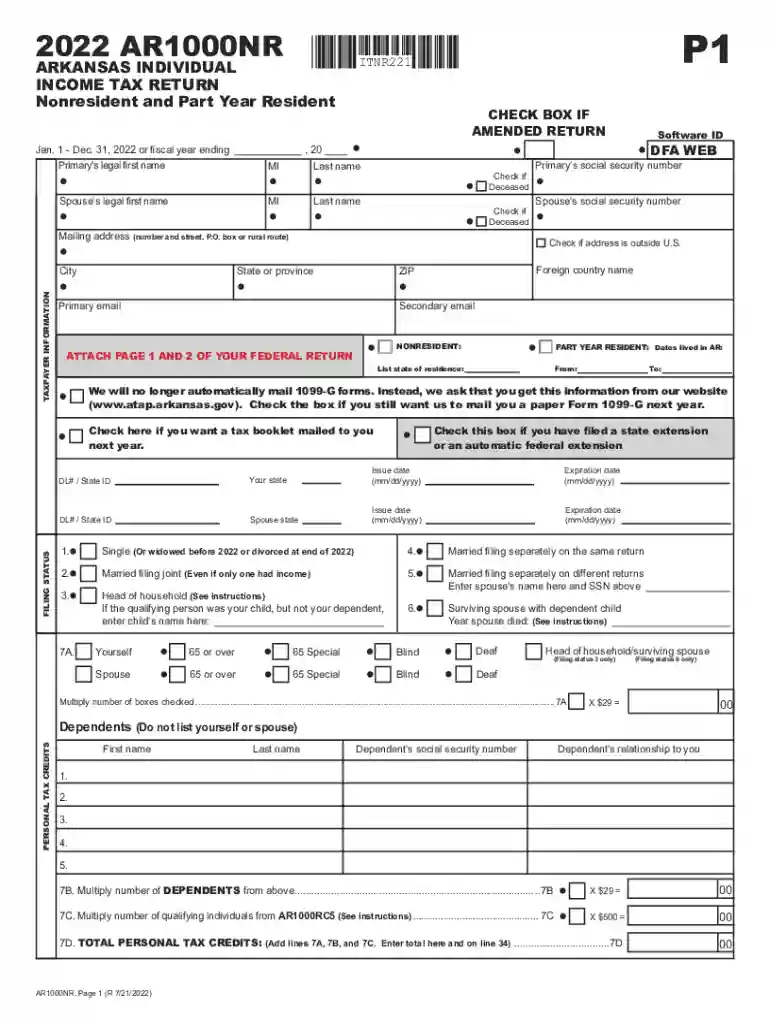
An income tax return is a document filed with the Internal Revenue Service (IRS) and, in some cases, with state or local tax agencies, detailing an individual's income, expenses, and other tax-related information. The primary purpose of this form is to calculate the amount of tax owed or the refund due to the taxpayer. It reflects the financial activities over a fiscal year, allowing taxpayers to report earnings from various sources such as employment, investments, and business operations. Accurate reporting is crucial as it determines the correct tax liability and ensures compliance with U.S. tax laws.
Using the income tax return involves several steps, starting with gathering all necessary financial records. Taxpayers must accurately declare their total income and identify any deductions and credits they are eligible for. The form typically includes sections for personal information, filing status, income declared, tax credits, deductions, and the final tax calculation. It is essential to follow the instructions provided with the form, as errors can lead to penalties or delayed refunds. Consider consulting with a tax professional if your financial situation is complex or using tax software to streamline the process.
Understanding IRS guidelines is critical for filing an accurate income tax return. Common terms include:
The standard deadline for filing a federal income tax return is April 15th of the following year. If this date falls on a weekend or legal holiday, it is extended to the next working day. Taxpayers can request an extension to October 15th, giving them extra time to prepare. However, an extension to file is not an extension to pay; taxes owed are still due by the original deadline to avoid interest and penalties.
When filing an income tax return, ensure you have the following documents:
Taxpayers can choose from several methods to submit their income tax return:
Failing to file a tax return or pay taxes owed by the deadline can result in penalties and interest. The IRS may impose a failure-to-file penalty, generally 5% of the unpaid tax for each month the return is late, up to a maximum of 25%. Additionally, a failure-to-pay penalty of 0.5% per month applies to taxes not paid by the deadline. To avoid these, taxpayers should file on time and pay any taxes owed, even if they cannot pay the full amount, to reduce penalties.
Taxpayers have the option to file either digital or paper versions of their income tax return. Online filing is generally faster, as it reduces errors, ensures immediate confirmation of receipt, and speeds up the refund process. In contrast, paper filing may take longer due to manual processing, although some individuals prefer it for record-keeping or complexity reasons. Regardless of the method, both versions require precise and thorough completion to ensure compliance with tax laws.
We've got more versions of the INCOME TAX RETURN form. Select the right INCOME TAX RETURN version from the list and start editing it straight away!
At DocHub, your data security is our priority. We follow HIPAA, SOC2, GDPR, and other standards, so you can work on your documents with confidence.
May 26, 2026 You can access your personal tax records online or by mail, including transcripts of past tax returns, tax account information, wage and income statements.Read more
These resources will achieve a return on investment (ROI) of $4.3-to-$1, almost 1.8 million questionable refund returns valued at more than $14 billion. The
May 22, 2026 How to file your taxes: step by step Check if you need to file Gather your documents Get credits and deductions. File your returnRead more


