







Definition & Meaning
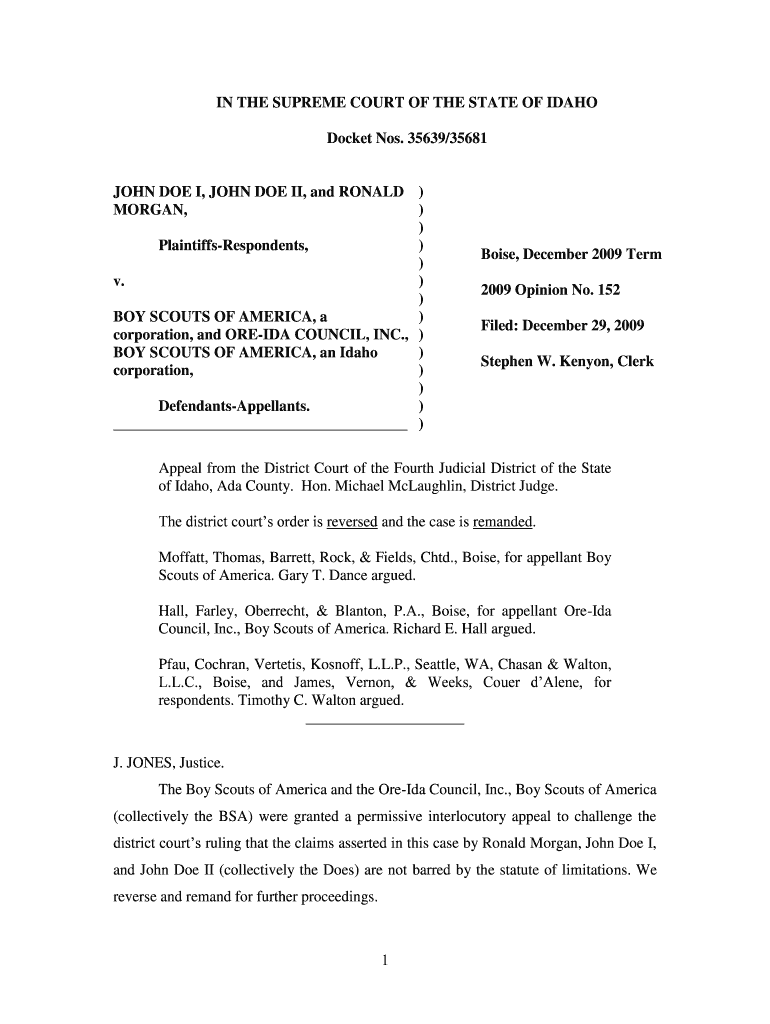
The term "JOHN DOE I, JOHN DOE II, and RONALD )" refers to pseudonymous designations used in legal proceedings to protect the identities of parties involved. Typically, the use of "John Doe" signifies anonymous or unknown individuals, often employed in cases that involve sensitive subject matter or when real names are not disclosed for privacy reasons. These identifiers allow legal proceedings to proceed without attributing actions to specific individuals publicly.
Practical Application
In court cases, "John Doe" names are often applied when a plaintiff or defendant's real name is unknown to the filing party, or when revealing a person's identity could jeopardize their privacy. This usage safeguards individuals, especially in cases involving criminal allegations, sexual abuse, or other private matters. Attorneys may file motions requesting that identities be concealed, outlining the necessity for such anonymity to protect the involved parties.
Key Elements of JOHN DOE I, JOHN DOE II, and RONALD )
The primary elements encompassed by the use of these pseudonyms include:
- Anonymity: Ensures personal details remain confidential.
- Legal Strategy: Permits proceedings to continue without revealing full identities.
- Privacy Rights: Protects individuals from public scrutiny and potential stigma.
- Court Approval: Courts must permit the use of pseudonyms, evaluating the balance between public interest and privacy.
These elements are critical in maintaining the integrity of sensitive legal cases while also upholding individual rights to confidentiality.
Steps to Complete the JOHN DOE I, JOHN DOE II, and RONALD )
Initial Filing Procedures
- Consult Your Lawyer: Engage legal counsel to assess whether pseudonym usage is appropriate.
- Draft a Motion: The motion should clearly justify the need for anonymity and include supporting statute citations.
- Submit Motion to Court: File the motion through appropriate legal channels, adhering to procedural rules and deadlines.
- Await Court Decision: Be prepared for a court hearing if the judge requests further justification for anonymity.
Post-Approval Procedures
- Proceed with Case: Once approved, utilize pseudonyms in all subsequent filings and documents.
- Ensure Compliance: Continually review all filings and communications to ensure pseudonyms are used consistently.
Legal Use of the JOHN DOE I, JOHN DOE II, and RONALD )
The legal application of these pseudonyms is most common in cases that:
- Protect Victims: Especially in child abuse or sexual assault cases.
- Maintain Confidential Investigations: When disclosure of identities might compromise a broader investigation.
- Enable Class Actions or Complex Litigations: Facilitate processes when multiple unnamed parties might be involved.
Judicial approval is essential, as courts weigh the need for privacy against principles of transparency and the public interest.
Examples of Using the JOHN DOE I, JOHN DOE II, and RONALD )
Case Study: Sexual Abuse Allegations
In a notable case involving claims of sexual abuse against a well-known organization, plaintiffs used John Doe designations to initiate proceedings without exposing their identities. This approach allowed them to seek justice while mitigating personal exposure and protecting their mental well-being within the public sphere.
Scenario: Privacy in High-Profile Lawsuits
High-profile public figures may use pseudonyms in lawsuits to prevent undue media exposure. For instance, a public figure could file under a pseudonym to shield their identity while resolving a civil dispute.
State-Specific Rules for the JOHN DOE I, JOHN DOE II, and RONALD )
Some U.S. states have specific rules governing the use of pseudonyms in court proceedings. Varying guidelines might include:
- Filing Requirements: Differing documentation for pseudonym approval.
- Privacy Protections: Enhanced protections for minors or sensitive cases.
- Notification Protocols: Requirements to inform involved parties under certain conditions.
Notable Variations
- California: Requires a detailed affidavit justifying anonymity.
- New York: Often grants anonymity in cases involving minors or national security.
Required Documents
To effectively use these pseudonyms, parties may need:
- Motion to Proceed Anonymously: A formal request outlining the necessity for anonymity.
- Supporting Affidavit: Typically includes personal affidavits or expert testimony discussing potential harm from identity disclosure.
- Non-Disclosure Agreements: To ensure all stakeholders refrain from revealing identities outside of court proceedings.
Supplementary Materials
- Legal Precedents: Prior case laws supporting pseudonymous filings.
- Confidentiality Covenants: Agreements with legal teams and court personnel.
Penalties for Non-Compliance
Failure to adhere to court-directed pseudonym use can lead to:
- Contempt of Court: Legal penalties for disobeying court orders.
- Case Dismissal: Termination of legal proceedings if anonymity is improperly handled.
- Fines and Sanctions: Financial or legal penalties imposed on parties who breach confidentiality.
Legal practitioners and involved parties are advised to diligently observe court guidelines to avoid these repercussions and maintain case integrity.




