



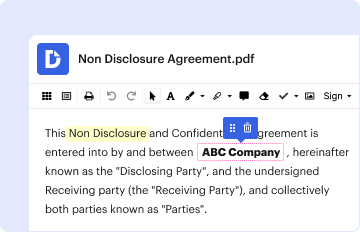
01. Edit your form online
Type text, add images, blackout confidential details, add comments, highlights and more.

Type text, add images, blackout confidential details, add comments, highlights and more.
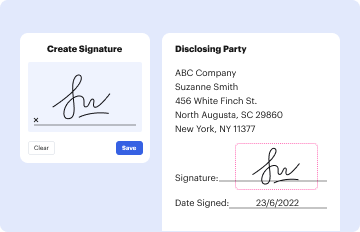
Draw your signature, type it, upload its image, or use your mobile device as a signature pad.
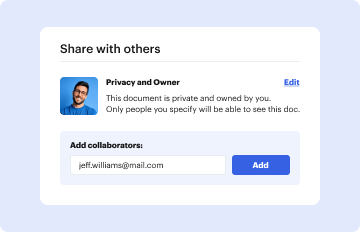
Send it via email, link, or fax. You can also download it, export it or print it out.
The records organizer serves as a comprehensive tool designed to assist individuals in compiling and managing vital personal and financial information. Typically used in estate planning, it ensures survivors can efficiently handle the affairs of a person after their demise. This organizer includes extensive sections covering next of kin, financial accounts, legal documents, funeral arrangements, and insurance policies. By regularly updating this information, users can ensure it remains accurate and relevant, allowing for smooth transitions during critical times.
Utilizing the records organizer effectively involves methodically compiling personal and financial data into designated sections. Start by filling out the next of kin information, which is crucial for emergency contacts and estate notifications. Proceed to document financial accounts, ensuring the inclusion of account numbers, institution details, and beneficiary information. Legal documents, such as wills and living wills, should be clearly listed and include the location of the original papers. Funeral arrangements need detailed preferences, while insurance policies should have their providers and coverage specifics outlined. Regular updates, ideally annually, are recommended to maintain accuracy.
The records organizer is structured to capture all necessary information across several key elements. These include:
Each section plays an important role in providing a full picture of an individual's personal and financial standing.
The records organizer is widely used by individuals focused on estate planning and ensuring their affairs are in order. It is particularly beneficial for those with complex financial portfolios, extensive legal documents, or specific funeral preferences. Executors and beneficiaries also find this tool invaluable in understanding the imminently required steps and responsibilities. Additionally, professionals such as financial planners and estate lawyers may recommend it to clients for streamlined document management.


The records organizer serves a vital legal function in estate planning. By collating essential documents and information, it aids executors and beneficiaries in fulfilling legal obligations, such as processing wills and handling asset distributions. It is designed to align with the probate processes required in various states, including potential state-specific rules that govern estate management. Furthermore, the inclusion of duly signed legal documents, like wills, ensures adherence to applicable legal standards.
While the records organizer generally follows a standardized format, variations exist due to state-specific probate and estate requirements. For example, some states may demand additional documentation or have unique protocols for recognizing digital signatures. It is crucial for users to understand the probate laws applicable in their state to ensure compliance and validity of the collected information. Consulting with an estate attorney can provide clarity on any state-specific adaptations required for the records organizer.
The records organizer is available in both digital and paper versions, each with distinct advantages. A digital version offers ease of updates, secure cloud storage, and swift sharing capabilities with designated parties. It also integrates with software like DocHub for seamless editing and form management. On the other hand, the paper version is tangible and may be preferred by individuals with security concerns regarding digital data. Furthermore, some legal situations may require hard copies of documents; thus, maintaining paper records as a backup is advisable.
We've got more versions of the records organizer form. Select the right records organizer version from the list and start editing it straight away!
At DocHub, your data security is our priority. We follow HIPAA, SOC2, GDPR, and other standards, so you can work on your documents with confidence.
The HIRO is a systematic approach for keeping track of important documents and financial records to stay organized, save time searching for information.
Sep 1, 2020 This Toolkit provides Federal Records Officers with information to comply with the National Archives and Records Administration (NARA) regulations.


