







Definition & Meaning
The term "Futuro Tax - IRS" refers to a conceptual approach or tool related to future tax liabilities and their management in relation to the Internal Revenue Service (IRS). While the specific nature of Futuro Tax is not explicitly defined within standard IRS documentation, it may involve strategies for future tax planning, addressing potential changes in tax obligations or leveraging specific tax forms or relief programs administered by the IRS. Understanding Futuro Tax requires familiarity with IRS regulations and potential future scenarios affecting tax liabilities.
How to Use the Futuro Tax - IRS
Utilizing the Futuro Tax - IRS effectively involves several strategic steps tailored to managing future tax obligations. It may include:
-
Tax Planning: Establishing a comprehensive plan to address your impending tax liabilities based on potential income changes, investments, or life events that could impact your tax situation.
-
Consultation with Tax Professionals: Engaging accountants or tax advisors specialized in IRS regulations can provide insights on utilizing Futuro Tax strategies to minimize future liabilities.
-
Utilizing IRS Tools and Forms: Leveraging existing IRS forms or tools relevant to capturing or managing future tax scenarios, such as estimated payment worksheets or specific tax relief forms.
Steps to Complete the Futuro Tax - IRS
Completing the Futuro Tax process involves a structured approach to gather and process relevant information:
-
Gather Financial Information: Collect detailed financial data, including income statements, investment reports, and anticipated cash flows affecting future tax obligations.
-
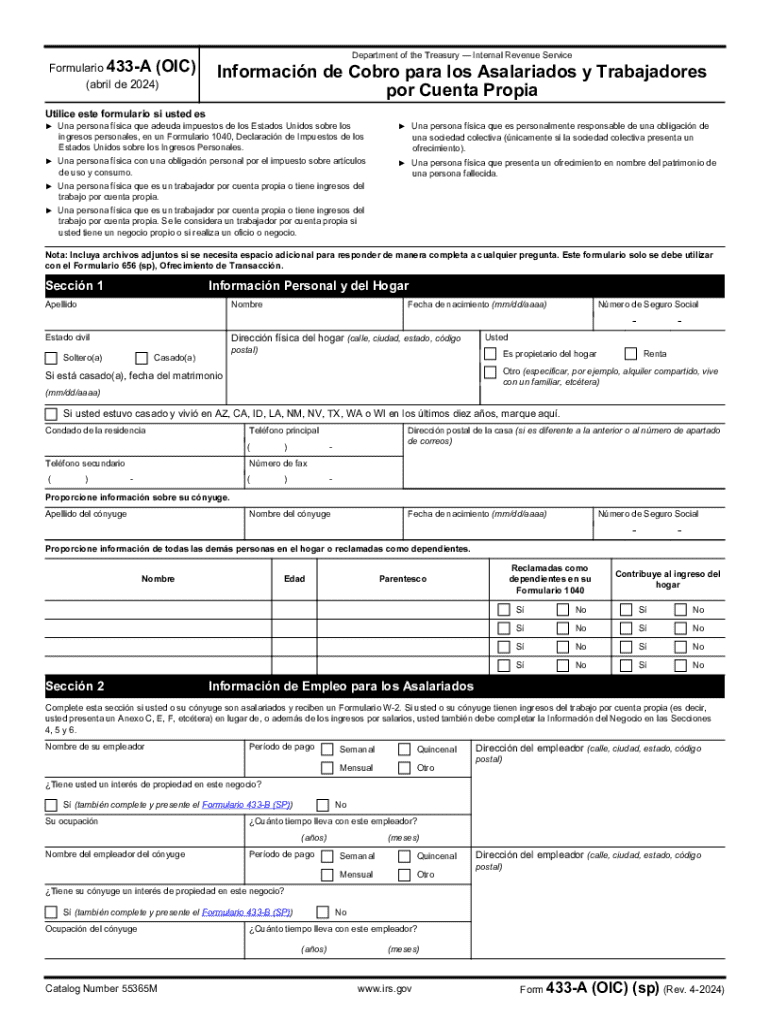
Identify Applicable IRS Forms: Determine the IRS forms necessary for outlining your future tax scenario, such as Form 1040-ES for estimated tax or potential OIC forms.
-
Complete Forms with Accurate Information: Carefully fill out required forms ensuring accuracy to avoid future discrepancies or penalties.
-
Review and Submit: Verify the completeness and correctness of the forms and submit them through appropriate IRS channels, such as e-filing or mailing, adhering to IRS guidelines for submission.
IRS Guidelines
The IRS provides guidelines essential for addressing future tax scenarios effectively:
- Estimated Tax Payments: Ensuring periodic estimated tax payments using Form 1040-ES aligns with anticipated future liabilities, thus avoiding underpayment penalties.
- Offer in Compromise (OIC): The IRS's OIC program allows taxpayers to settle tax debts, providing a method to handle future tax liabilities if anticipated hardships arise.
- Tax Credits and Deductions: Awareness and application of relevant tax credits and deductions to offset future tax liabilities.
Filing Deadlines / Important Dates
Filing deadlines and timelines are crucial when managing future taxes with the IRS:
- Quarterly Estimated Taxes: Generally due on April 15, June 15, September 15, and January 15 of the following year.
- Annual Tax Filing: The standard deadline for annual taxes is April 15, with extensions available until October 15.
- OIC Submission Dates: If utilizing an Offer in Compromise, submission deadlines align with the individual's tax filing schedule.
Required Documents
To efficiently use the Futuro Tax - IRS, compile essential documents:
- Previous Tax Returns: Recent tax filings provide historical data for projecting future liabilities and tax strategy planning.
- Income Records: Include wage statements, dividend and interest income, rental income, and other relevant earnings.
- Expense Reports: Documentation of potential deductions and credits applicable to anticipated future tax years.
Penalties for Non-Compliance
Failing to comply with IRS guidelines related to future taxes can result in several penalties:
- Underpayment Penalties: Occur when inadequate estimated tax payments are made throughout the year.
- Late Filing Penalties: Imposed for failing to submit annual tax returns by the deadline.
- Inaccurate Reporting Penalties: Arise from incorrect representation of income or deductions on tax forms.
Eligibility Criteria
Eligibility for specific Futuro Tax benefits or programs may include:
- U.S. Residency Status: Generally, U.S. residents or citizens are required to comply with IRS filings and avail of various relief programs.
- Income Thresholds: Certain tax credits or relief options may have income thresholds affecting eligibility.
- Compliance with Past Tax Obligations: Maintaining compliance with previous tax filings and obligations often impacts eligibility for future relief or reduction programs.


Business Types That Benefit Most from Futuro Tax - IRS
Various business entities may derive specific benefits by focusing on future tax strategies:
- Small Businesses and Startups: Strategic planning for newcomers who may experience fluctuations in income and deductions.
- Corporations and LLCs: Potential optimization of tax liabilities through advanced knowledge of future operational changes affecting tax outcomes.
- Partnerships: Efficiently managing projected profit distributions to optimize future tax liabilities for partners.
Application Process & Approval Time
For certain IRS relief or adjustment programs:
- Application Form Submission: Ensure accurate completion and timely submission of relevant IRS forms and supporting documents.
- IRS Review Period: The IRS typically reviews applications within a few months, though specific programs may have varied timelines.
- Notification of Decision: The IRS notifies applicants upon approval or denial, prompting further actions if necessary.
Digital vs. Paper Version
Taxpayers may choose between digital and paper formats depending on convenience and preference:
- Digital Submissions: Often preferred for quicker processing and receipt confirmation; it requires software compatibility with IRS systems.
- Paper Filings: Traditional submission method that may entail longer processing times but offers a tangible record-keeping option.




