




01. Edit your form online
Type text, add images, blackout confidential details, add comments, highlights and more.

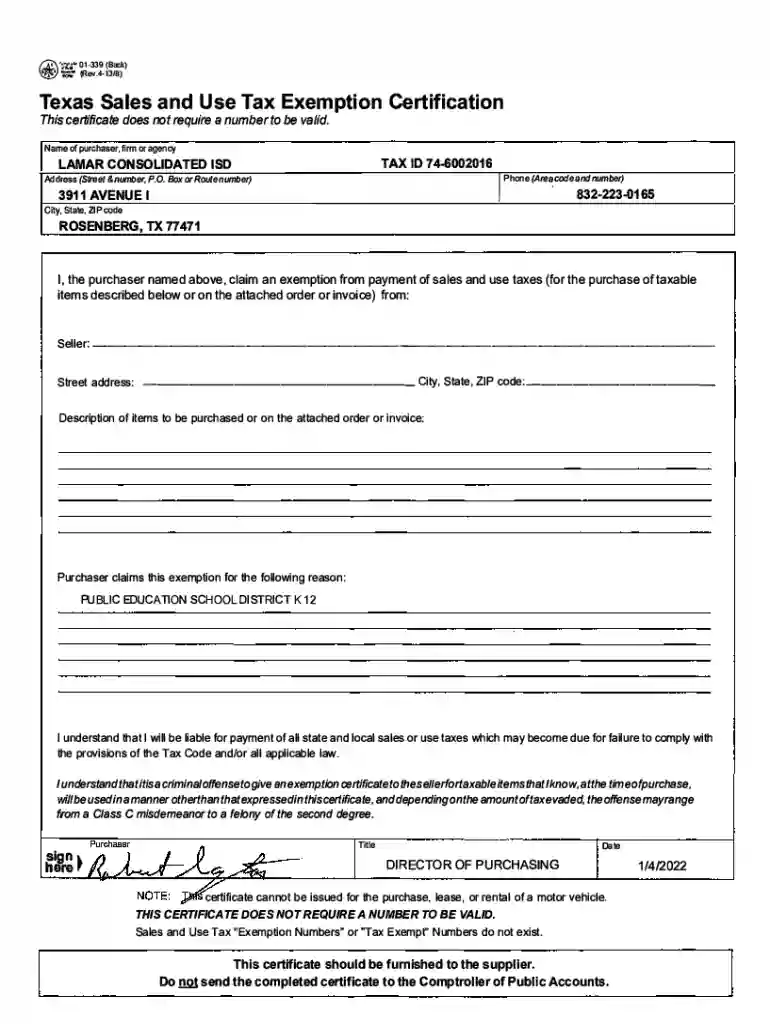
Type text, add images, blackout confidential details, add comments, highlights and more.

Draw your signature, type it, upload its image, or use your mobile device as a signature pad.

Send it via email, link, or fax. You can also download it, export it or print it out.
The "and Rule 3 287" pertains to specific regulations within a broader legal or tax context. It may apply to administrative, procedural, or taxation guidelines depending on the jurisdiction and governing body. Understanding the specific application of this rule requires examining the relevant legal codes or tax guidelines where it is mentioned. As each jurisdiction might have different rules, careful analysis of local regulations is essential.
Using the and Rule 3 287 effectively involves understanding its requirements and how they apply to your specific situation. This rule might dictate procedures, provide exemptions, or guide documentation standards. To apply it:
Practical examples include adjusting business practices to meet procedural rules or leveraging exemptions provided by the rule.
Accessing the and Rule 3 287 typically involves consulting the official documents or databases where the rule is implemented. This might include:
Understanding the rule's full context is critical, so referencing ancillary materials and commentary is advisable.
Complying with the and Rule 3 287 involves several steps depending on its specifics:
The exact steps will vary based on the rule's scope and the governing body's procedures.
The and Rule 3 287 consists of several core elements that define its application:
Each element must be understood clearly to ensure proper adherence to the rule.
Understanding the terminology associated with the and Rule 3 287 is crucial. Key terms might include:
Grasping these terms helps in understanding the nuances of the rule and applying it correctly.
Ensuring legal use of the and Rule 3 287 involves strict adherence to its guidelines. This means maintaining accurate records, completing all necessary documentation, and understanding the legal implications of the rule’s application. Seeking assistance from legal experts can provide additional guidance in complex scenarios.
Examples of the and Rule 3 287 in practice might include:
Analyzing these real-world applications provides insights into how the rule impacts everyday operations.
At DocHub, your data security is our priority. We follow HIPAA, SOC2, GDPR, and other standards, so you can work on your documents with confidence.

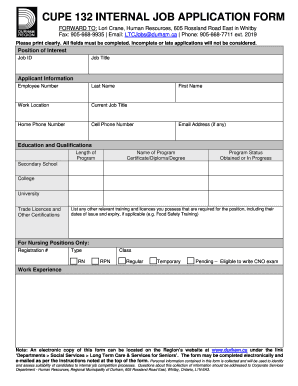
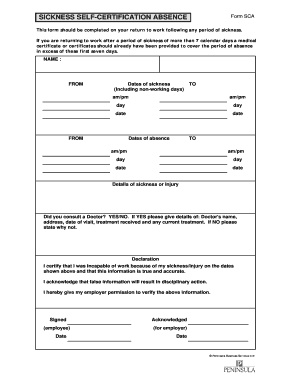




Rule 287 - Attorney-client privilege Rule 288 - Litigation privilege Rule 289 - Privileges, immunities and facilities
287. Disagreement As to Evidence 288. Court Open for Jury 289 This rule is superseded by paragraph 3 of amended Rule 306a 307. ExceptionsRead more
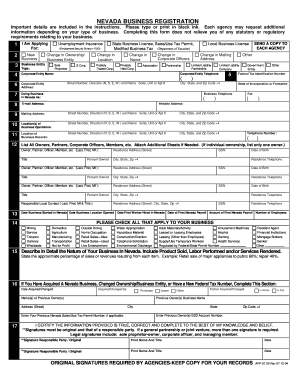
A licensed game operator employer may conduct a high-stakes game of chance tournament provided that: I. The tournament is held at a facility licensed to conductRead more


