







Definition & Meaning
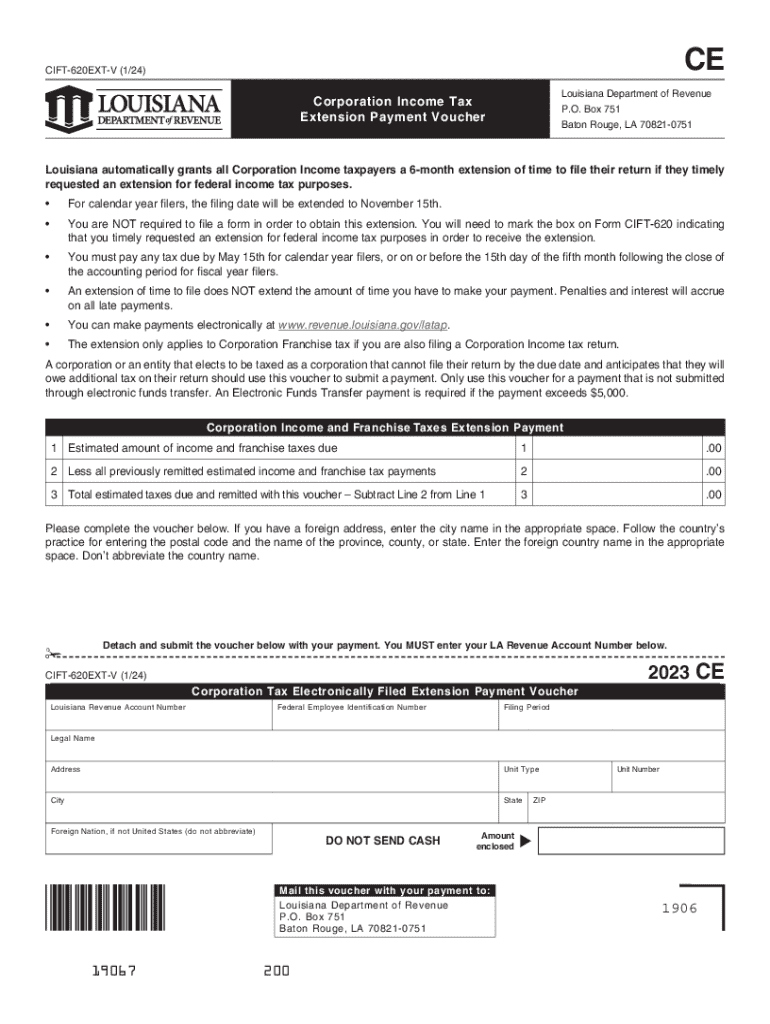
The "Louisiana Department of Revenue - AUDITOR" form serves as a tool for ensuring that corporations comply with state taxation rules. This form is specifically designed for use in audits conducted by the Louisiana Department of Revenue (LDR), which aims to verify the accuracy of reported tax information and to assess any discrepancies. The form facilitates a structured examination of corporate financial records, ensuring that these entities adhere to state tax laws.
- Scope of Use: This form is predominantly used in the context of state tax audits.
- Purpose: To rationalize the accuracy of reported income and taxes paid by corporations.
How to Use the Louisiana Department of Revenue - AUDITOR
Utilizing the Louisiana Department of Revenue - AUDITOR form requires careful coordination between the taxpayer and the auditor assigned by the LDR. The following steps outline the typical process:
- Preparation: Gather all relevant financial documents, including income statements, balance sheets, and tax returns.
- Collaboration: Work with your accounting or tax department to ensure accuracy in financial data.
- Submission: Provide requested documents to the LDR auditor in a timely manner.
Importance of Proper Documentation
- Ensure all records are up-to-date and compliant with state regulations.
- Maintain a consistent filing system to facilitate easy access to past records.
How to Obtain the Louisiana Department of Revenue - AUDITOR
Corporations can obtain the Louisiana Department of Revenue - AUDITOR form through direct communication with the LDR once an audit is initiated. Here are the steps:
- Notification: Receive notification from the LDR regarding a scheduled audit.
- Contact: Reach out to the assigned auditor for any specific forms or additional instructions required.
- Download: Access any necessary forms from the official Louisiana Department of Revenue website.
Points to Consider
- Ensure you check the authenticity of forms and instructions received.
- Keep correspondence records with the LDR to establish clear communication.
Steps to Complete the Louisiana Department of Revenue - AUDITOR
Completing this form involves detailed attention to the financial information provided:
- Accuracy: Verify all entries against original financial documents.
- Compliance: Ensure that entries meet the state's tax regulations.
- Review: Double-check for any inaccuracies or omissions before submission.
Common Challenges
- Misinterpretations of the form's requirements.
- Potential delays in acquiring all necessary documentation.
Key Elements of the Louisiana Department of Revenue - AUDITOR
Understanding the key elements of the Louisiana Department of Revenue - AUDITOR form is crucial:
- Financial Information: This includes detailed records of income, expenses, deductions, and credits.
- Supporting Documentation: Attach relevant documents to substantiate the figures reported.
- Taxpayer Identification: Ensure that all identifying information, such as EIN or TIN, is accurate and complete.
Who Typically Uses the Louisiana Department of Revenue - AUDITOR
The primary users of this form include:
- Corporations: Especially those with significant financial activities in Louisiana.
- Tax Professionals: Accountants and tax advisors representing corporations during audits.
- State Auditors: Employed by the LDR to conduct thorough review processes.


Legal Use of the Louisiana Department of Revenue - AUDITOR
The form must be used in compliance with Louisiana state laws and regulations. Key legal considerations include:
- Confidentiality: Protect sensitive financial information as per state and federal privacy laws.
- Integrity: Ensure that all information provided is truthful and accurate.
Required Documents
When completing the Louisiana Department of Revenue - AUDITOR form, several supporting documents are typically required:
- Financial Statements: Income statements and balance sheets.
- Tax Returns: Copies of previously filed state and federal tax returns.
- Receipts and Invoices: Documentation of transactions that impact tax liabilities.
Importance of Completeness
- Ensure all documents are signed and dated as required.
- Facilitate a smooth audit process by organizing documents by category.
Filing Deadlines / Important Dates
Timely submission of all required information is critical:
- Response Time: Follow the deadlines noted in the audit notification letter.
- Penalty Avoidance: Late submissions can result in penalties or further scrutiny by the LDR.
Planning for Deadlines
- Establish a timeline for document submission and review.
- Promptly address any additional requests from the LDR auditor.




