




01. Edit your nj w2 form pdf online
Type text, add images, blackout confidential details, add comments, highlights and more.

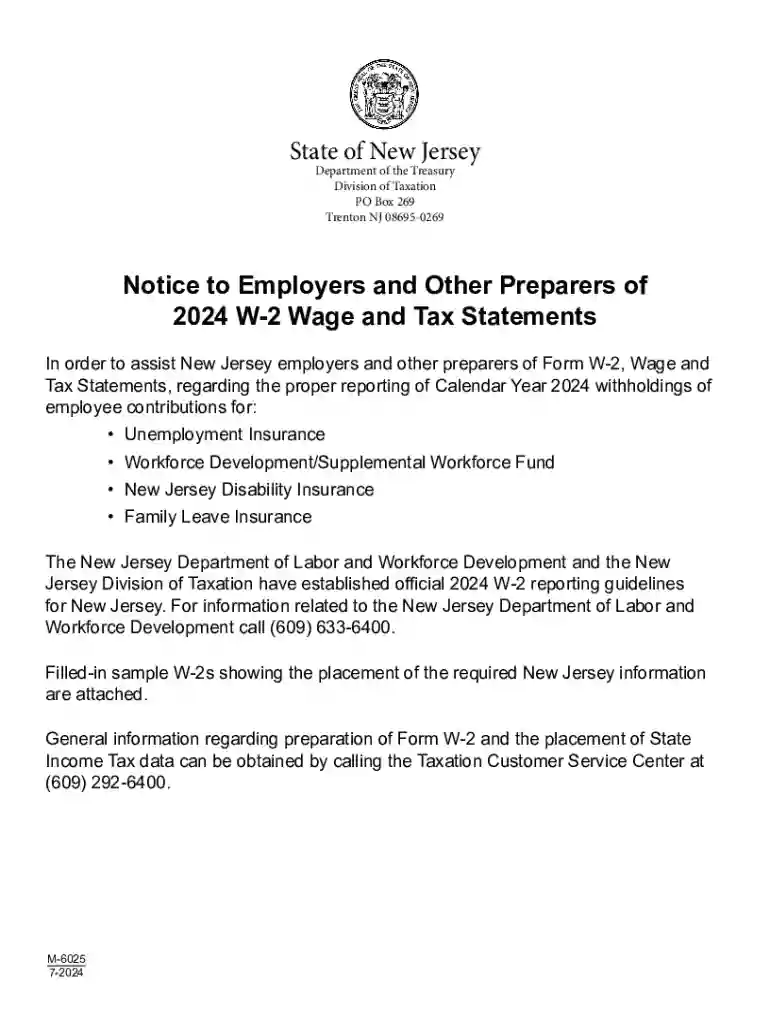
Type text, add images, blackout confidential details, add comments, highlights and more.

Draw your signature, type it, upload its image, or use your mobile device as a signature pad.

Send it via email, link, or fax. You can also download it, export it or print it out.
The employee's certificate of nonresidence in New Jersey is a tax-related form used to certify that an employee does not reside in the State of New Jersey. By completing this form, employees can potentially benefit from exemptions or specific tax treatment, as New Jersey taxes only nonresidents' income that is sourced from within the state. This certificate is used primarily to prevent residents of neighboring states, like New York or Pennsylvania, from being taxed by both their home state and New Jersey on the same income. It often involves understanding multistate tax agreements and may impact income withholding responsibilities for employers in New Jersey.
Proper usage of the employee's certificate requires accurately filling out the form with personal details such as name, address, and Social Security number. Sign and date the form, and submit it to your New Jersey-based employer. This informs the employer to adjust the state withholding tax accordingly. It's crucial to ensure all information matches existing tax records to avoid discrepancies. Additionally, understanding your state’s specific tax laws and agreements with New Jersey can help determine if it is beneficial to submit this certificate.
Completing the certificate involves several key steps to ensure accuracy and compliance. It supports nonresident employees in avoiding dual taxation. Here are the detailed steps:
Understanding the relevant terminology is essential for effectively using the employee's certificate. Here are some key terms:
Understanding these terms can aid in the correct use and submission of the certificate.
The legal use of the certificate ensures compliance with state tax laws and bilateral agreements with neighboring states. Filing this form allows access to treaty benefits and legal provisions that protect nonresidents from being overtaxed.
Employees should retain copies of the completed certificate for personal records, especially when filing annual tax returns.
States have unique regulations governing tax-exempt status for nonresidents, impacting how the certificate is used. As part of interstate agreements, New Jersey has specific guidelines:
A resident of Pennsylvania working in New Jersey should confirm if there's a reciprocity agreement, which might negate the need to file state taxes in both states.
Failure to correctly submit the employee's certificate may lead to tax-related penalties. Non-compliance might result in incorrect tax withholding, leading to underpayment penalties:
Understanding penalties helps employees comply fully with tax regulations and avoid financial liabilities.
Submitting the form correctly is crucial. Here's how you can provide the certificate to your employer:
Choosing the right method depends on employer’s facilities and your personal convenience. Confirm receipt to ensure the form is processed correctly.
We've got more versions of the nj w2 form pdf form. Select the right nj w2 form pdf version from the list and start editing it straight away!
| Versions | Form popularity | Fillable & printable |
|---|---|---|
| 2025 | 4.9 Satisfied (35 Votes) | |
| 2024 | 4.1 Satisfied (50 Votes) | |
| 2023 | 4.2 Satisfied (38 Votes) | |
| 2022 | 4.7 Satisfied (60 Votes) | |
| 2021 | 4.8 Satisfied (146 Votes) | |
| 2020 | 4.3 Satisfied (230 Votes) | |
| 2019 | 4.3 Satisfied (80 Votes) | |
| 2018 | 4.4 Satisfied (252 Votes) | |
| 2017 | 4.1 Satisfied (68 Votes) | |
| 2016 | 4.3 Satisfied (92 Votes) | |
| 2015 | 4.2 Satisfied (169 Votes) | |
| 2013 | 4 Satisfied (37 Votes) | |
| 2012 | 4.2 Satisfied (71 Votes) | |
| 2011 | 4.3 Satisfied (60 Votes) |
At DocHub, your data security is our priority. We follow HIPAA, SOC2, GDPR, and other standards, so you can work on your documents with confidence.



NEW JERSEY EMPLOYER: You are required to have a copy of this form on file for each employee receiving compensation paid in New. Jersey and who is a residentRead more
May 7, 2025 To stop the withholding of New Jersey Income Tax, complete an Employees Certificate of Nonresidence in New Jersey (Form NJ-165) and give itRead more


