




Definition and Meaning
The declaration form labeled "Hereby declare that I was a victim of human trafficking, where I was subjected to one of the following," serves as a legal document for individuals claiming victimhood in human trafficking cases. Designed for use within the United States, it is employed to officially document the experiences of individuals subjected to either sex trafficking or labor trafficking. The form emphasizes the serious legal implications of submitting false information, as declarations are made under penalty of perjury.
Legal Context
- Human Trafficking: Refers to illegal practices involving the exploitation of individuals through force, fraud, or coercion for labor or sexual activities.
- Sex Trafficking: Involves the use of force or coercion to compel individuals to engage in commercial sex.
- Labor Trafficking: Focuses on the exploitation of individuals for labor or services, obtained through force, fraud, or coercion.
Penalty of Perjury
- The form requires the applicant to assert their claims under oath, acknowledging that false claims can result in legal penalties.
Steps to Complete the Declaration
Completing this form involves several critical steps to ensure accuracy and compliance with legal standards. Here is a structured guide on how to properly navigate these steps:
-
Personal Information:
- Enter personal details such as name, address, and contact information.
- Verify that all entered details are current and match any official identification you may have.
-
Trafficking Details:
- Provide a detailed account of the trafficking experience, specifying whether it was sex or labor trafficking.
- Use specific examples and dates if possible to enhance credibility.
-
Declaration Section:
- Carefully read the declaration statement.
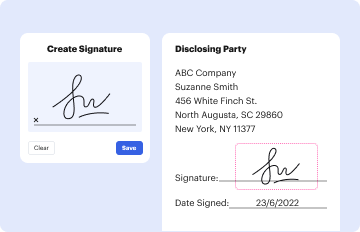
- Sign and date the form to confirm authenticity and awareness of legal obligations.
-
Additional Documents:
- Gather necessary documents that can support your claim, such as police reports or medical records.
Who Typically Uses This Declaration
This form is typically utilized by individuals in the United States who have been directly impacted by human trafficking. It can also be used by legal representatives or advocates working on behalf of victims. Furthermore, this form is often involved in legal proceedings, serving to substantiate claims within the judicial process.
Related Stakeholders
- Survivors and Victims: Primary users for the assertion of victimhood and seeking justice.
- Legal Representatives: Attorneys who need official documentation to support legal cases.
- Support Organizations: Non-profits and advocacy groups that assist survivors in legal matters.
Legal Use of the Declaration
The legal use of the declaration is critical in cases involving human trafficking. By submitting this document, the declarant affirms their account under oath, which can support:
- Criminal Proceedings: Utilized in the prosecutorial process against traffickers.
- Civil Cases: Used to seek damages or compensation for harm suffered due to trafficking.
- Immigration Cases: In some instances, victims may leverage the form to adjust their immigration status when relevant U.S. policies apply.
Key Elements of the Declaration
Understanding the vital components of this declaration is essential for accurate completion:
Personal Identifiers
- Provides basic personal data essential for establishing identity in legal contexts.
Descriptive Account
- Details the specific circumstances of the trafficking experience, vital for legal validation.
Assurances of Honesty
- The declarant's signature signifies their acknowledgment of the legal ramifications of false declarations.
Filing Deadlines and Important Dates
It's crucial to be aware of any deadlines associated with filing the declaration. While there is no universal deadline, certain legal contexts may impose specific timeframes:
- Court Filings: Legal cases might have deadlines for submitting supporting documents, including this declaration.
- Victim Support Programs: Some programs may have cut-off dates for the submission of declarations to access services.
Required Documents
To support the claims in the declaration, additional documents are often necessary:
- Identification Documents: Government-issued ID to verify the signature on the declaration.
- Evidence of Trafficking: Police reports, hospital records, or affidavits from witnesses.
- Legal Documentation: If involved in a legal proceeding, copies of filed court documents may be required.
These detailed insights into the structure and requirements of the "Hereby declare that I was a victim of human trafficking, where I was subjected to one of the following" form provide essential guidance for completion, filing, and legal use.