




01. Edit your form online
Type text, add images, blackout confidential details, add comments, highlights and more.

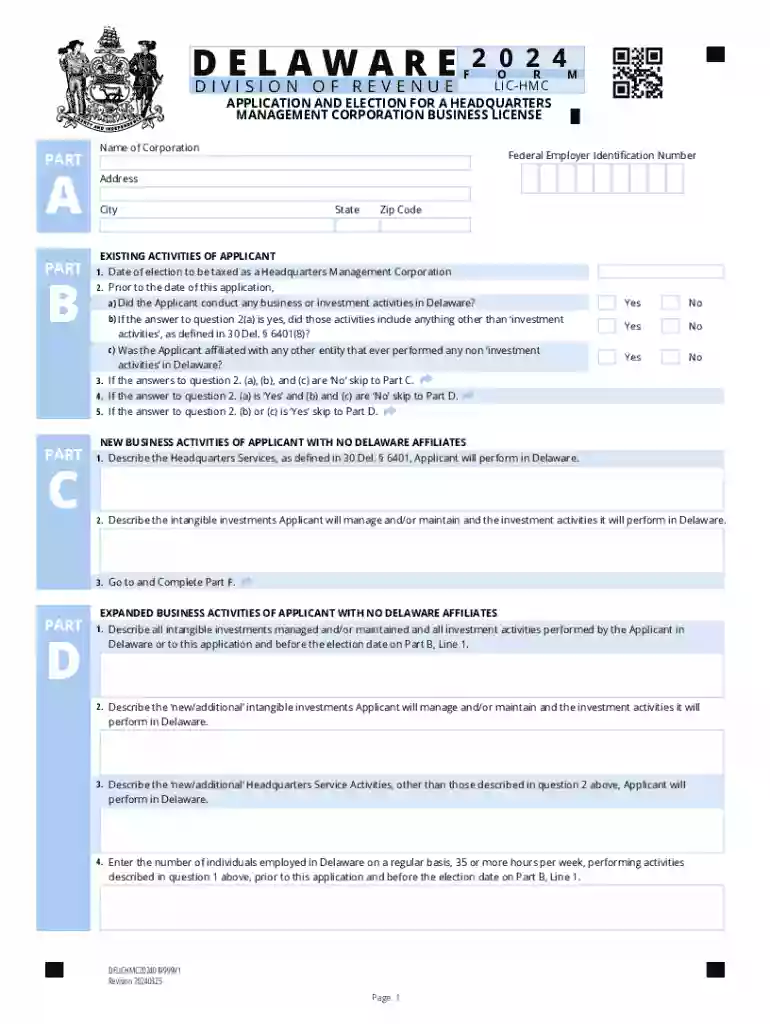
Type text, add images, blackout confidential details, add comments, highlights and more.

Draw your signature, type it, upload its image, or use your mobile device as a signature pad.

Send it via email, link, or fax. You can also download it, export it or print it out.
The term "form online" refers to electronic versions of traditional paper forms that allow users to complete, submit, and manage forms via the internet. These forms offer a digital solution for various applications, such as business licenses, tax documents, or corporate filings. By transitioning to online formats, individuals and organizations can streamline document workflows, improve data accuracy, and enhance accessibility.
To effectively use a form online, users should:
Platforms like DocHub simplify this process by offering user-friendly interfaces and real-time collaboration features to ensure all data is gathered efficiently.
Completing a form online generally follows these steps:
Using online forms offers numerous benefits:
These advantages highlight why transitioning from paper to online forms makes sense for both individuals and organizations.
Several key terms relate to understanding and using forms online:
Familiarity with these terms ensures seamless navigation and utilization of electronic forms.
Legal use of online forms involves adhering to guidelines and regulations relevant to electronic submissions. Compliance with acts like the ESIGN Act, which gives electronic signatures the same weight as traditional signatures, is crucial. Users must ensure that the platform they are using adheres to these legal standards, ensuring their submissions are valid and binding.
Different states might have specific regulations or requirements for submitting forms online, particularly for official government documents. For example, some states may require notarized electronic documents, while others might have specific e-filing systems. Users should review their state’s specific guidelines to ensure compliance and avoid penalties or rejection of their submissions.
Forms can be submitted through different methods:
Choosing the best method depends on the form type, urgency, and any specified requirements by the issuing authority.
We've got more versions of the Delaware Headquarters Management Corporation License Application form. Select the right Delaware Headquarters Management Corporation License Application version from the list and start editing it straight away!
At DocHub, your data security is our priority. We follow HIPAA, SOC2, GDPR, and other standards, so you can work on your documents with confidence.
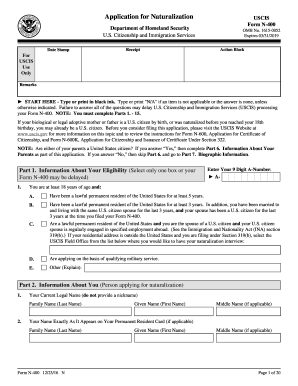
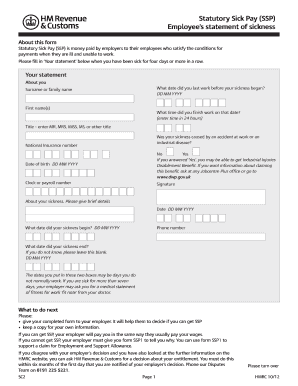
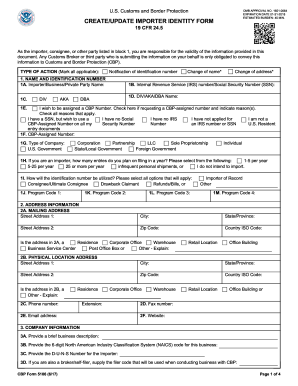
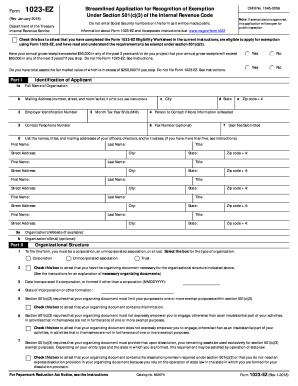

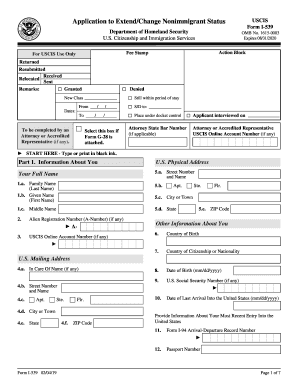
Delaware IP Holding Company and Licenses. Delaware Corporate Tax Exemption
Every Headquarters Management Corporation desiring to be certified under this chapter shall file an election with its application for a Headquarters Management
Aug 1, 2025 Delaware and other American states already allow businesses to register as benefit corporations (B-corps), balancing profits with goals like


