
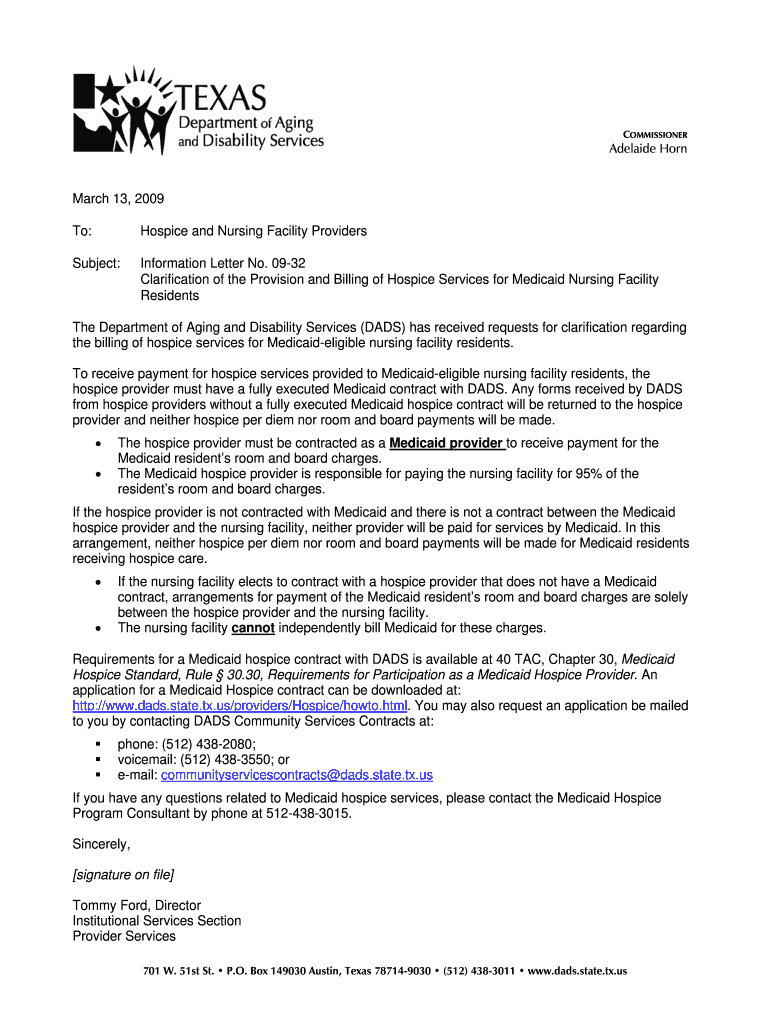







Definition of Hospice and Nursing Facility Providers
Hospice and nursing facility providers play a critical role in offering care and support to terminally ill patients and residents within nursing facilities. These organizations ensure that individuals receive comprehensive end-of-life care, which includes medical, emotional, and spiritual support. Hospice care focuses on improving the quality of life for patients who are nearing the end of their lives, while nursing facilities provide long-term care for individuals who require ongoing medical assistance and personal care.
Role and Responsibilities
- Hospice Care: Provision of pain management, symptom control, and emotional support for terminally ill patients.
- Nursing Facilities: Offer long-term care, including daily medical and personal support for residents.
- Combined Services: Coordination between hospice and nursing facilities ensures compassionate and comprehensive end-of-life care.
How to Use the Hospice and Nursing Facility Providers
Utilizing hospice and nursing facility services involves understanding the range of services offered and how they can be tailored to meet the specific needs of patients and residents. This collaboration ensures that patients receive holistic care that addresses their physical, emotional, and spiritual well-being.
Coordinating Care
- Initial Assessment: Assessment by healthcare professionals to determine the level of care required.
- Customized Care Plans: Crafting individualized care strategies to address patient and family needs.
- Ongoing Monitoring: Regular reviews and adjustments to care plans based on patient conditions.
Steps to Complete the Hospice and Nursing Facility Providers Form
Filling out forms related to hospice and nursing facility providers requires precision and attention to detail to ensure compliance with regulations and facilitate smooth operations.
Step-by-Step Process
- Gather Required Documents: Collect necessary personal and medical information of the patient.
- Complete Personal Information Section: Fill in the patient's name, contact information, and relevant medical history.
- Specify Service Requirements: Detail the type of services required, such as hospice care, nursing care, or both.
- Authorization and Consents: Obtain informed consents for care and data sharing.
- Review and Submit: Verify the accuracy of all information before submission for approval.
Who Typically Uses the Hospice and Nursing Facility Providers Form
The forms related to hospice and nursing facility providers are used by a diverse group of individuals and professionals involved in patient care.


Typical Users
- Healthcare Providers: Physicians, nurses, and hospice staff who administer care.
- Families and Caregivers: Family members responsible for managing a loved one’s care.
- Healthcare Administrators: Personnel managing the coordination and authorization of care services.
Legal Use of the Hospice and Nursing Facility Providers Forms
Legal compliance is essential when dealing with hospice and nursing facility provider forms to ensure that all patient rights and regulatory requirements are respected.
Compliance and Regulations
- Privacy Laws: Adherence to HIPAA regulations for patient information security.
- Contractual Agreements: Involvement of executed Medicaid contracts for service reimbursements.
- Documentation and Record Keeping: Maintaining accurate records for legal and audit purposes.
Important Terms Related to Hospice and Nursing Facility Providers
Understanding the terminology associated with hospice and nursing facility providers is crucial for effective communication and management.
Key Terms and Definitions
- Palliative Care: Focus on relieving symptoms and stress rather than curing the disease.
- Medicaid: A federal-state program that helps with medical costs for individuals with limited resources.
- Interdisciplinary Team: A group of healthcare professionals collaborating to create comprehensive care plans.
State-Specific Rules for Hospice and Nursing Facility Providers
Regulations and requirements for hospice and nursing facility providers can vary significantly by state, impacting how services are delivered and billed.
Variations Across States
- Licensing Requirements: Different states may have unique licensing criteria for care providers.
- Medicaid Policies: State-specific rules can affect reimbursement rates and eligibility criteria.
- Quality Assurance Standards: States may impose distinct standards for care quality and provider audits.
Digital vs. Paper Version of Hospice and Nursing Facility Providers Forms
In today’s digital age, understanding the differences between digital and paper versions of hospice and nursing facility provider forms is essential for efficient processing and management.
Pros and Cons
- Digital Forms: Offer convenience, easy access, and efficient data management through software solutions.
- Paper Forms: Provide a tangible record but can be cumbersome for storage and require manual processing.
- Transitioning to Digital: Encouraging adoption of digital platforms to enhance efficiency and reduce paperwork.
These sections provide an in-depth understanding of the hospice and nursing facility providers landscape, ensuring that healthcare professionals and caregivers are equipped with the necessary information to deliver optimal patient care.




