




Definition & Meaning
The "Marketing Collateral Checklist: Brand Assets Built Around an" is a comprehensive tool designed to ensure that all materials used for marketing are consistent with a brand's image and messaging. It serves as a guide for marketers to evaluate whether their collateral, such as brochures, flyers, and digital content, align with the overall brand strategy. This checklist helps maintain uniformity across various marketing platforms and channels, ensuring that each piece of collateral strengthens the brand's identity. By following this checklist, businesses can avoid common pitfalls such as misalignment in branding and inconsistent messaging.
Key Elements of the Marketing Collateral Checklist
The checklist consists of several crucial elements that must be reviewed during the creation of marketing materials. These include brand guidelines, content accuracy, design consistency, and audience relevance. Each element plays a significant role:
- Brand Guidelines: Ensure that all visuals and content align with the established brand guidelines, including logo usage, color schemes, typography, and tone of voice.
- Content Accuracy: Verify that all factual information, statistics, or claims are current and correct. This includes proofreading for grammatical errors and confirming any legal or regulatory compliance.
- Design Consistency: Review the visual aspects to ensure coherence in design, such as layout, imagery, and overall aesthetic, maintaining a consistent brand image across all materials.
- Audience Relevance: Assess whether the materials are tailored to the intended audience, considering demographic attributes and preferences to optimize engagement.
How to Use the Marketing Collateral Checklist
Using the checklist effectively involves a step-by-step process to evaluate each component of the marketing material:
- Gather All Materials: Collect all relevant documents and digital files related to your marketing campaign.
- Review Brand Guidelines: Compare the materials against your brand's visual and textual guidelines to ensure compliance.
- Check Content for Accuracy: Verify all content for factual accuracy, completeness, and correct grammar.
- Ensure Design Consistency: Review the visual elements for uniformity and adherence to design standards.
- Evaluate Audience Relevance: Analyze whether the content is appropriately targeted and resonates with your audience's needs and interests.
Steps to Complete the Marketing Collateral Checklist
Completing the checklist involves an organized approach to ensure thorough evaluation and approval of marketing materials:
- Initial Assessment: Begin with an overall assessment of the materials, identifying any immediate discrepancies or areas requiring modification.
- Detail Check: Dive deeper into each section of the checklist, examining specified elements such as logos, colors, and message alignment.
- Gather Feedback: Collaborate with team members or stakeholders to seek input and suggestions for improvement.
- Revise & Update: Make necessary changes based on feedback, ensuring all identified issues are addressed.
- Final Review: Conduct a final review to confirm all elements comply with the checklist criteria before submission or publication.
Why Use the Marketing Collateral Checklist
Implementing this checklist is crucial for maintaining consistency and professionalism in marketing efforts. It aids businesses in the following ways:
- Brand Integrity: Preserves the brand's integrity by ensuring all materials convey a consistent and polished image.
- Regulatory Compliance: Helps adhere to legal and regulatory requirements, minimizing the risk of non-compliance penalties.
- Effective Communication: Enhances the efficacy of marketing communications by ensuring message clarity and cohesion.
- Resource Efficiency: Streamlines the approval process, reducing the time and resources spent on revisions and corrections.
Who Typically Uses the Marketing Collateral Checklist
This checklist is primarily utilized by marketing teams, brand managers, and creative agencies responsible for developing and distributing marketing content. It serves as a valuable resource for:
- Marketing & Brand Managers: To ensure all collateral aligns with brand strategy and complies with guidelines.
- Creative Professionals: As a reference tool to guide the creation of coherent and appealing visual designs.
- Compliance Officers: To verify that marketing materials adhere to industry regulations and standards.


Examples of Using the Marketing Collateral Checklist
Consider a scenario where a company launches a new product line. The checklist supports this process by guiding the development of collateral materials:
- Product Launch Campaigns: Review all promotional materials, such as press releases and advertisements, against brand guidelines to maintain uniformity in messaging.
- Digital Marketing Content: Ensure social media posts and email marketing campaigns reflect consistent branding and accurately represent the product.
Software Compatibility
A modern approach to managing marketing collateral involves software that supports this checklist process. Tools like DocHub and other document management systems integrate seamlessly with existing business workflows:
- Integration with Cloud Services: Solutions like Google Drive, Dropbox, and OneDrive facilitate easy access and collaborative editing of marketing materials.
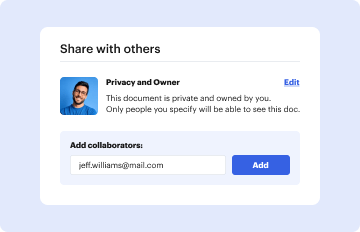
- Real-Time Collaboration: Platforms that allow for concurrent editing and sharing of documents enable teams to maintain up-to-date and compliant collateral.
By embracing digital solutions and utilizing the marketing collateral checklist, businesses can enhance the consistency, effectiveness, and compliance of their marketing materials, ultimately strengthening their brand presence in the marketplace.