





Definition and Meaning of Real Estate Forms
Real estate forms are standard documents that facilitate the buying, selling, leasing, or managing of property. These forms are essential for ensuring legal compliance and clarity in transactions. They may include a variety of documents such as purchase agreements, lease agreements, disclosure forms, and property management agreements. Each type serves a specific purpose in documenting the details of the real estate transaction, protecting the rights of all parties involved, and providing a clear record of the agreement.
Types of Real Estate Forms
- Purchase Agreements: These documents outline the terms of sale for a property, including the price, financing details, and closing dates.
- Lease Agreements: These govern the rental terms between landlords and tenants, detailing payment schedules, duration, and responsibilities for maintenance.
- Disclosure Forms: Sellers must provide these to inform buyers of any material defects or significant issues related to the property.
- Management Agreements: Used by landlords and property management companies to define services, fees, and responsibilities.
Understanding these different types can significantly assist individuals and businesses engage in real estate transactions more effectively.
Key Elements of a Real Estate Form
When creating or completing a real estate form, several key elements must be included to ensure that the document is comprehensive and legally sound.
- Identifying Information: This includes the names and addresses of all parties involved, as well as the legal description of the property.
- Terms and Conditions: Clear stipulations regarding the sale, lease, or management of the property must be included.
- Contingencies: The terms under which the agreement is valid, such as financing or inspection results, should be clearly outlined.
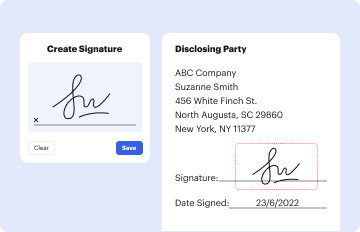
- Signatures: Both parties must sign the document to demonstrate mutual agreement and commitment to the terms specified.
Including these elements is essential for minimizing disputes and enhancing confidence in the transaction.
Completion Steps for a Real Estate Form
Completing a real estate form involves specific steps that help ensure accuracy and compliance with legal standards.
- Gather Necessary Information: Collect all required details about the property and parties involved, including financial information and personal identification.
- Select the Correct Form: Choose the appropriate type of form that corresponds to the specific transaction, such as a rental agreement for leases or a purchase agreement for sales.
- Fill in All Fields: Complete each section thoroughly and accurately to avoid omissions that could lead to legal complications later.
- Review for Consistency: Ensure that the information within the document is consistent with verbal agreements and other documents.
- Seek Legal Advice if Necessary: For complicated transactions or atypical situations, consulting with a real estate attorney can provide valuable insights.
- Obtain Signatures: Ensure that all parties sign and date the form, as this signifies agreement and legal acceptance of the terms.
Following these steps carefully will help to prevent issues and facilitate a smoother transaction process.
Legal Use of Real Estate Forms
Real estate forms must adhere to local laws and regulations to be considered valid and enforceable.
- Compliance with State Laws: Real estate transactions are highly regulated at the state level, and forms need to comply with those specific regulations.
- Specific Language: Certain forms may require statutory language to be considered legally binding, particularly in buyer-disclosure scenarios.
- Content Requirements: Some jurisdictions require specific disclosures regarding lead paint, home warranties, or zoning issues, which must be addressed in the appropriate forms.
Utilizing legally sound forms helps protect the interests of all parties involved and reduces the risk of disputes.
Importance of Accurate Information in Real Estate Forms
Accuracy in filling out real estate forms is crucial for a variety of reasons.
- Preventing Disputes: Incorrect or incomplete information can lead to misunderstandings and disputes between parties over the terms of a transaction.
- Legal Validity: Forms that contain errors may be deemed invalid, potentially leading to financial losses or legal challenges.
- Marketability of the Property: Accurate disclosures and documentation help in maintaining property value and ensuring compliance with local regulations.
Taking the time to ensure all information is correct not only protects individual interests but also facilitates smoother transactions.
State-Specific Rules for Real Estate Forms
Variations in real estate form requirements can occur depending on the state, so awareness of these differences is important. Each state typically has its own set of rules governing:
- Required Disclosures: Certain states may require additional disclosures based on local laws, impacting buyer protections and seller responsibilities.
- Form Validity: Some states may have specific forms endorsed or mandated by state real estate boards that must be used.
- Filing Procedures: Procedures for submitting forms, such as notifications to local municipalities or record-keeping for certain types of transactions, may vary.
Staying informed about state-specific requirements helps in preventing legal complications and ensures conformity with local practices.
Practical Applications and Scenarios for Real Estate Forms
Real estate forms are utilized in various scenarios that demonstrate their versatility and significance in transactions.
- Home Purchase: A buyer and seller enter into a purchase agreement that outlines the terms of sale, ensuring clarity on price, contingencies, and expected closing date.
- Rental Arrangement: A landlord and tenant finalize a lease agreement that specifies the duration, rent, and responsibilities for maintenance or repairs.
- Commercial Lease: Business owners may engage in a commercial lease where specific terms regarding repairs, signage, or zoning compliance are outlined.
Each scenario reflects the importance of having well-structured forms tailored to the nuances of real estate transactions.




