
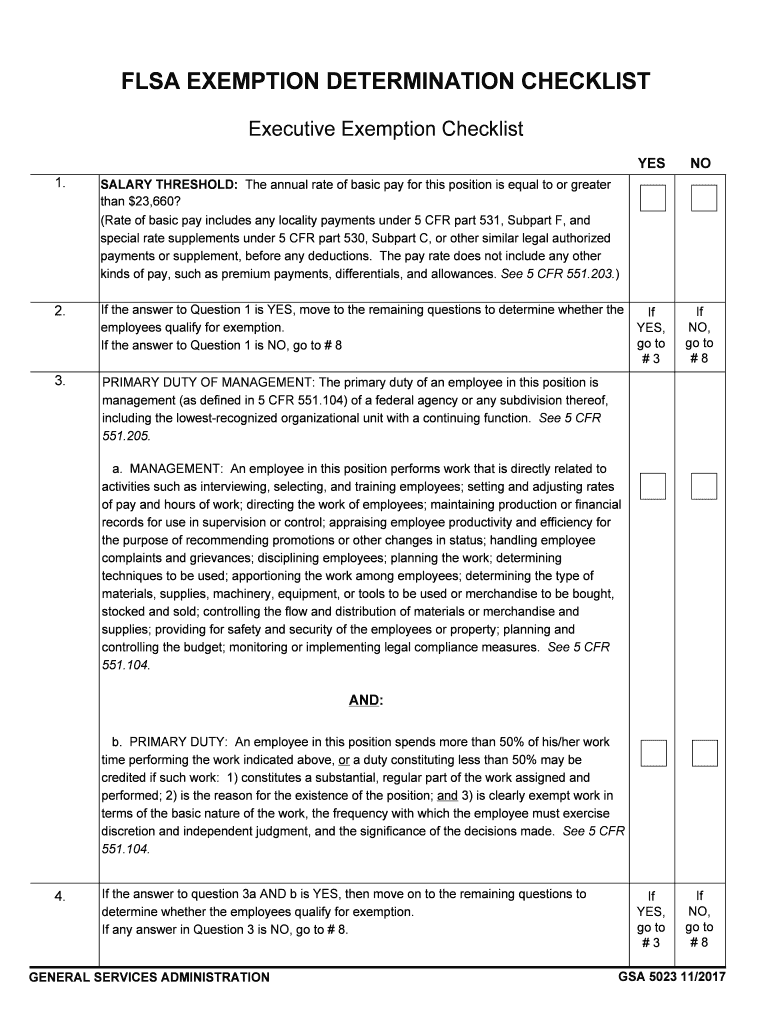







Definition & Meaning
The salary threshold refers to the minimum annual rate of basic pay required for a position to qualify for certain exemptions under the Fair Labor Standards Act (FLSA). This standard is used to determine eligibility for overtime exemptions and often applies to executive, administrative, and professional roles. Understanding this threshold is crucial for both employers and employees to ensure compliance with labor laws and regulations.
Importance of Salary Thresholds
- Eligibility for Exemptions: The threshold determines whether employees qualify for overtime pay.
- Employment Classification: Helps classify employees as exempt or non-exempt.
- Compliance: Ensures that organizations adhere to federal and state labor laws.
Key Elements of the Salary Threshold
Several elements define the salary threshold, including the type of employment and specific roles:
- Basic Pay: Refers to the regular payment received by an employee before bonuses, incentives, or other forms of compensation.
- Exemption Types: Common exemptions include executive, administrative, and professional roles.
- Adjustments: The threshold may be adjusted periodically to account for economic factors such as inflation.
Factors Influencing the Threshold
- Legislative Changes: New laws or amendments can alter threshold amounts.
- Economic Conditions: Inflation or deflation affects how salary thresholds are set.
- Industry Standards: Different industries may have varying thresholds based on typical compensation structures.
How to Use the Salary Threshold
To effectively use the salary threshold in employment settings, various steps should be followed:
- Identify Employee Role: Determine if the position is executive, administrative, or professional.
- Compare Basic Pay: Check if the annual rate of basic pay meets or exceeds the threshold.
- Apply Exemptions: Apply the appropriate FLSA exemption if the threshold is met.
- Document Compliance: Maintain records to demonstrate compliance with applicable laws.
Practical Scenarios
- Human Resources: HR departments often use thresholds to determine employee classifications.
- Legal Compliance: Ensuring that salary agreements are compliant with federal regulations.
Steps to Complete the Salary Threshold Assessment
Completing an assessment for the salary threshold involves several key steps:
- Gather Documentation: Collect all relevant pay records and job descriptions.
- Calculate Total Pay: Ensure that the calculation includes only the basic pay.
- Verify Against Current Threshold: Compare the calculated pay to current FLSA standards.
- Determine Exemption Status: Conclude whether the employee qualifies for an exemption.
- Implement Necessary Changes: Adjust employee pay or classification as needed.
Detailed Procedures
- Using Payroll Software: Most modern payroll systems provide tools to calculate and verify salary thresholds automatically.
Legal Use of the Salary Threshold
The application of salary thresholds must comply with legal standards set by the FLSA and other governing bodies:
- Federal Laws: Most salary thresholds are governed by the FLSA.
- State Regulations: Some states have additional requirements that may affect how the threshold is applied.
- Documentation Requirements: Proper records must be kept to show compliance during audits or inspections.
Case Studies and Examples
- Exemption Misclassification: Consequences of incorrectly classifying employees due to misunderstanding thresholds.
- Litigation Risks: Examples of lawsuits arising from failure to comply with threshold requirements.
IRS Guidelines and Implications
While the IRS does not directly regulate salary thresholds, there are indirect implications for tax reporting and compliance:
- Tax Filing Implications: Exemption status can affect how earnings are reported.
- Payroll Adjustments: Changes in threshold status may require changes to payroll tax withholding.
Understanding IRS Criteria
- Record Keeping: The IRS requires accurate reporting of all wages, including baseline salary determinations relevant to thresholds.
Penalties for Non-Compliance
Failing to adhere to salary threshold guidelines can have significant consequences for employers:
- Fines and Fees: Companies may face penalties for failing to meet FLSA requirements.
- Legal Action: Employees may have grounds for legal action if improperly classified or compensated.
- Reputational Damage: Non-compliance can harm an organization's public image.
Preventing Non-Compliance
- Regular Audits: Conduct regular payroll audits to ensure that all positions meet the required salary thresholds.
- Training: Employees responsible for payroll and HR should be trained on the latest threshold requirements.
State-by-State Differences in Salary Thresholds
Differences in salary threshold laws can vary significantly between states:
- California vs. Texas: California often has stricter wage laws compared to more lenient states like Texas.
- Urban vs. Rural: Urban centers might have different thresholds reflecting higher regional costs of living.
Managing Regional Variations
- Company Policy Adjustments: Companies with multistate operations may need varied pay structures to comply with local laws.
- Consulting Legal Experts: Employ legal advisors familiar with state-specific labor laws to ensure compliance.




