







Definition and Meaning
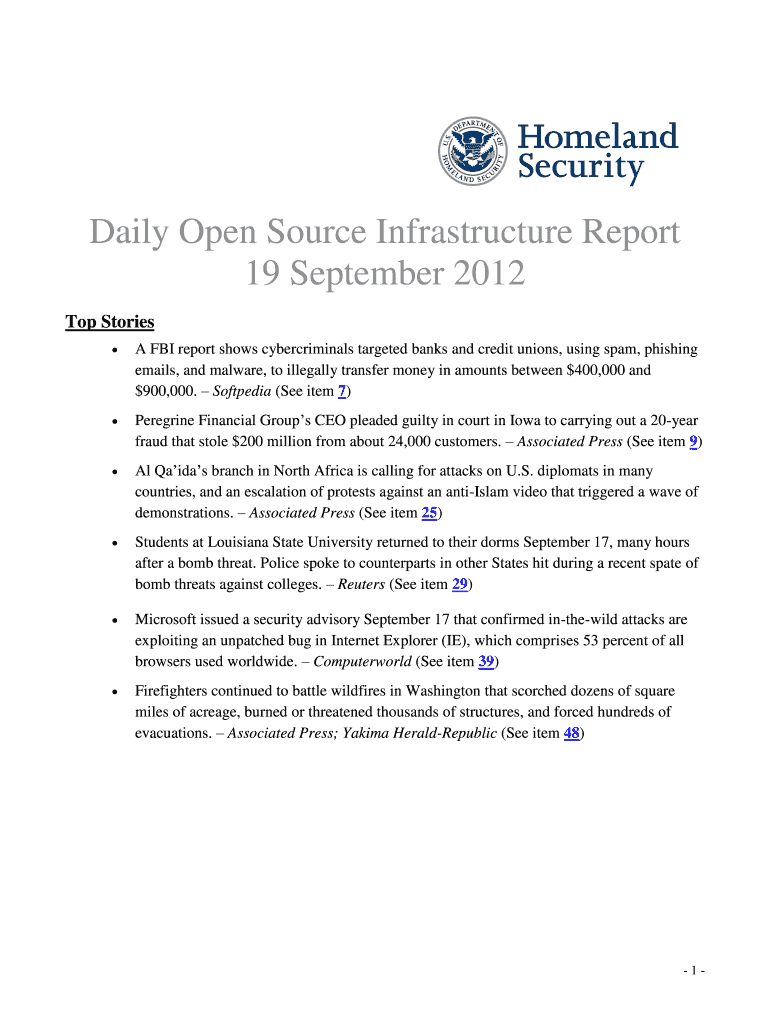
The "FBI report shows cybercriminals targeted banks and credit unions, using spam, phishing" provides insight into the threats faced by financial institutions due to online criminal activities. This report highlights cybercriminal tactics like spam and phishing to infiltrate banks and credit unions, aiming to exploit vulnerabilities and obtain sensitive information. Phishing involves deceiving individuals into revealing personal information, while spam often includes malicious links or attachments intended to compromise security. Understanding these terms helps in recognizing the methods used by cybercriminals and the potential impacts on the financial sector.
Key Elements of the FBI Report
The report focuses on several crucial elements pertinent to the security of financial institutions:
- Cybercriminal Methods: Emphasizing tactics such as phishing and spam, which are used to access sensitive information.
- Targeted Institutions: Identifying banks and credit unions as primary targets due to their valuable data.
- Preventative Measures: Offering insights on strategies that institutions can adopt to prevent such attacks.
- Data Breach Impact: Discussing the potential financial and reputational damage to institutions resulting from cyber attacks.
Steps to Mitigate Risks
Financial institutions can take several steps to mitigate the risks outlined in the FBI report:
- Implement Strong Authentication: Use multi-factor authentication to add a layer of security.
- Conduct Employee Training: Regularly educate employees about spotting phishing attempts and handling suspicious emails.
- Upgrade Security Software: Ensure all systems have the latest updates and are equipped with advanced security solutions.
- Develop Incident Response Plans: Establish clear procedures to follow in the event of a security breach.
Examples of Risk Mitigation
- Bank Response: A bank introduced a mandatory cybersecurity training program for all staff.
- Credit Union Initiative: Implementing a phishing simulation to teach employees to recognize threats.
Who Typically Uses the Report
The primary users of this FBI report include:
- Bank Security Teams: To devise enhanced protection strategies.
- Credit Union IT Departments: For upgrading cybersecurity infrastructure.
- Regulatory Agencies: To enforce compliance and protection standards.
- Cybersecurity Experts: For developing targeted solutions to combat phishing and spam.


Legal Use and Compliance
The report is critical for ensuring legal compliance with financial regulations in the United States. Financial institutions are legally obligated to protect customer data, making the findings of this report essential for:
- Regulatory Audits: Demonstrating adherence to targeted cybersecurity measures.
- Legal Proceedings: Providing evidence of proactive security measures against cyber threats.
- Policy Development: Informing the creation of more robust cybersecurity policies.
State-Specific Rules for Financial Institutions
While the report addresses national concerns, state-specific regulations can further influence security practices:
- California: Known for stringent data protection laws, requiring banks and credit unions to adopt advanced measures.
- New York: Financial Services Law requires institutions to perform annual risk assessments.
Example: State Compliance
A bank in New York strengthened its cybersecurity framework to meet both federal and state requirements, reducing the likelihood of penalties.
Important Terms in Cybersecurity
Understanding cybersecurity terminology enhances comprehension of the report:
- Phishing: A technique used to trick individuals into providing sensitive information via deceptive emails.
- Spam: Unsolicited emails that can contain harmful links or attachments.
- Data Breach: Unauthorized access to private data, often targeting financial institutions.
Business Types Benefiting from the Report
Beyond banks and credit unions, several other business types can benefit from the insights:
- Financial Consultants: Applying the report findings to enhance client advisory services.
- Payment Processing Companies: Using the report to secure transaction data against threats.
- Insurance Providers: Reviewing the report to adjust coverage options for cybersecurity threats.
Digital vs. Paper Versions of Security Protocols
Institutions often need to decide between digital and paper documentation for security protocols:
- Digital Benefits: Enables quick updates and broader distribution.
- Paper Advantages: Useful for backup in case of digital failures or attacks.
Examining these aspects helps determine the best practices for documenting and implementing security measures.
Integration with Advanced Software
To effectively tackle cybersecurity threats outlined in the report, financial institutions often use specialized software solutions:
- Compatibility with Security Software: Ensuring integration with solutions like QuickBooks for protective measures.
- Software Updates: Regular updates are crucial for maintaining robust defense systems.
Practical examples illustrate how different software solutions can be leveraged to enhance cybersecurity measures against cybercriminal tactics identified in the report.




