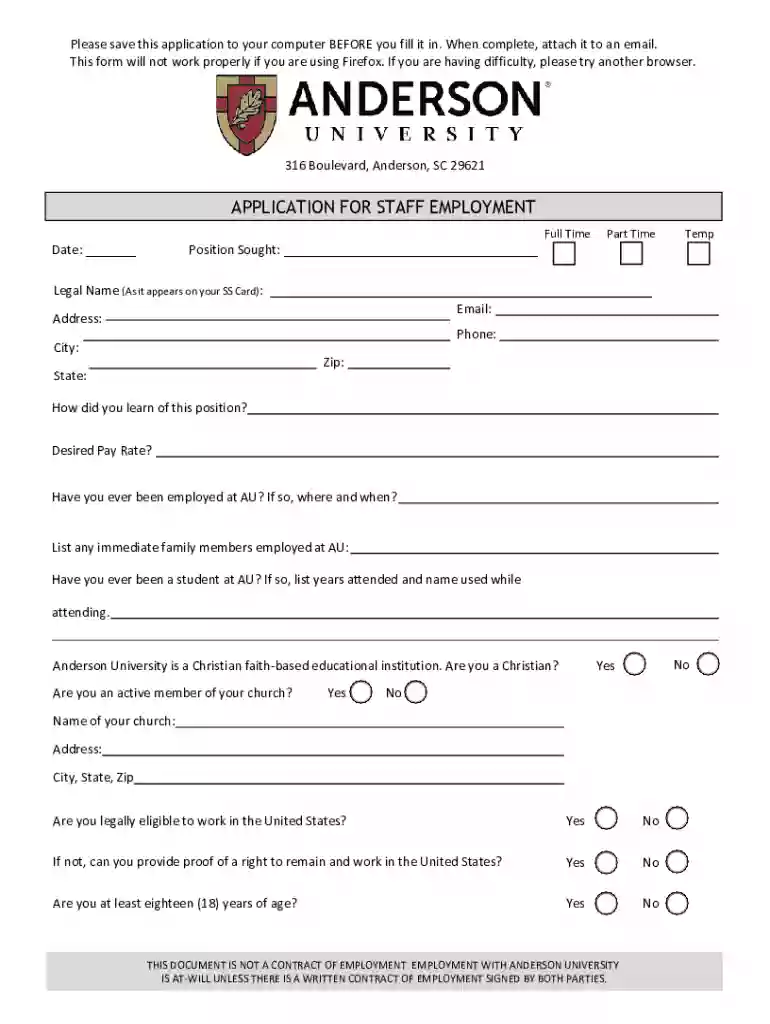
If you are having difficulty, please try another browser 2026

Get Form
If you are having difficulty, please try another browser Preview on Page 1

Here's how it works

01. Edit your form online
Type text, add images, blackout confidential details, add comments, highlights and more.

02. Sign it in a few clicks
Draw your signature, type it, upload its image, or use your mobile device as a signature pad.

03. Share your form with others
Send it via email, link, or fax. You can also download it, export it or print it out.

Definition and Meaning

"If you are having difficulty, please try another browser" is a common troubleshooting suggestion typically used when users encounter performance or compatibility issues while using a web-based application. The phrase indicates that the current browser may not fully support the functionality of the site or that the browser settings or extensions might be interfering with the application's performance.

In technical contexts, this recommendation advises users to switch to a different web browser to see if their issue persists, which can help isolate whether the problem lies with the browser configuration or the web application itself. This advice is widely applicable in scenarios involving document management platforms like DocHub, where smooth functionality across various browser types is critical.

How to Use the "If You Are Having Difficulty, Please Try Another Browser" Suggestion

When faced with an issue on a web application, implementing this suggestion involves several steps:

  1. Identify the Issue: Notice if the platform is not responding as expected, such as features not loading correctly, display errors, or unexpected behavior.

  2. Switch Browsers: Open an alternative web browser. If, for instance, you are experiencing difficulties on Google Chrome, consider trying Mozilla Firefox, Microsoft Edge, or Safari.

  3. Repeat the Action: Attempt to perform the same action that previously resulted in difficulty. Verify if the issue is resolved in the new browser.

  4. Monitor Performance: Observe any differences in the functionality or speed of the application between the original and alternative browsers.

  5. Troubleshoot Further: If changing browsers does not resolve the issue, additional troubleshooting such as clearing cache or updating the web application may be required.

Steps to Complete Troubleshooting with a Browser Change

For a structured approach to leveraging the "try another browser" troubleshooting tip:

  1. Evaluate Browser Compatibility:

    • Check System Requirements: Confirm if the current browser version is supported by the web application.
    • Look for Compatibility Issues: Review any known issues between your browser version and the application.
  2. Choose an Alternative Browser:

    • Download a New Browser: If not installed, download a different browser such as Chrome, Firefox, Safari, or Edge from a reliable source.
    • Install and Set Up: Follow installation prompts to set up the new browser on your computer or mobile device.
  3. Use the New Browser:

    • Navigate to the Application: Access the web application and perform the intended task.
    • Observe Outcomes: Note if the application functions correctly or if the issue persists.
  4. Historical Comparison:

    • Log Observations: Record differences in application behavior across browsers to aid ongoing troubleshooting.
    • Report Findings: If necessary, provide feedback to technical support teams with detailed observations.

Why Should You Try Another Browser?

Switching browsers can be an effective solution due to several reasons:

  • Compatibility: Different browsers may handle web scripts and styles differently, causing some to function better with certain applications.
  • Performance: Browsers might vary in resource utilization, affecting the speed and fluidity of interactive web pages.
  • Troubleshooting: Using another browser helps determine whether issues are isolated to the initial browser's configuration or are application-specific problems.

Understanding these aspects provides clarity on the importance of this troubleshooting tip in resolving many online platform compatibility issues.

Software Compatibility

When applying "If you are having difficulty, please try another browser," it's crucial to consider the software compatibility of the web application:

  • Document Management Platforms: Platforms like DocHub are optimized for various mainstream browsers to allow maximum accessibility and functionality.
  • Online Plugins: Some browsers may not support specific plugins or extensions that applications rely on.
  • OS Integration: Browsers tend to integrate differently with the operating system, influencing how web applications run.

Important Terms Related to Browser Troubleshooting

Understanding key technical terms can aid in effectively navigating browser-related issues:

  • Cache: Temporary storage in a browser that holds web pages, images, and data to expedite load times.
  • Cookies: Data packets sent by web servers to browsers that store user settings and session activities.
  • Extensions/Add-ons: Software modules that add specific functionalities to browsers but can sometimes interfere with web applications.

Legal Use of the Suggestion

While typically benign, understanding the context for using "If you are having difficulty, please try another browser" is important:

  • User Responsibility: Users must ensure they do not violate usage agreements or security protocols when switching browsers.
  • Software Licensing: Some applications may require specific browsers to function due to licensing agreements.
  • Data Privacy: Users should verify that the new browser complies with data protection and privacy legislation, such as GDPR, to maintain privacy standards.

Examples of Using the Suggestion "If You Are Having Difficulty, Please Try Another Browser"

To illustrate practical applications:

  • Document Imports: If a document hosted in DocHub does not load properly with fully rendered editing options, switching browsers might resolve rendering issues.
  • Form Submissions: If an online form does not appear to submit correctly, trying the submit action from a different browser can help identify submission inconsistencies based on browser.
  • Interactive Features: Applications heavily reliant on JavaScript, like interactive quizzes or dynamic content displays, may experience varied performance across browsers.

These real-world cases demonstrate the utility and applicability of this straightforward but effective troubleshooting technique.

be ready to get more

Complete this form in 5 minutes or less

Get form

Got questions?

We have answers to the most popular questions from our customers. If you can't find an answer to your question, please contact us.
Contact us
Sign up for a free BrowserStack account, and you can check your site in different browsers on real devices. Signup for free on BrowserStack. Navigate to Live Dashboard. Select the device and browser you want to test on. Start testing. Test Websites on Different Browsers | BrowserStack BrowserStack test-website-on-different BrowserStack test-website-on-different
To download a different web browser, you need to go to the browser manufactorers website or use your Phone/Tablets App Store and get the latest version of it. NEVER download a web browser from anywhere other than the official website or store - you risk getting viruses, malware or spyware otherwise. Try a different web browser - WhatIsMyBrowser.com WhatIsMyBrowser.com Guides WhatIsMyBrowser.com Guides
0:07 1:58 So for example if you type in Google Google Chrome will come up and you can just click on it. ThisMoreSo for example if you type in Google Google Chrome will come up and you can just click on it. This will then open a new tab for Google. You can also do that for Microsoft Edge. And Internet Explorer. How To Open Internet Browsers and Navigate to a Webpage - YouTube YouTube Seeds of Literacy YouTube Seeds of Literacy
How to switch browsers without changing the default Select the entire web address of the webpage in the address bar, then right-click on the selected text and click Copy. Open the desired browser. Right click in address bar and click Paste. How to switch browsers without changing the default CFS Tax Software, Inc. - TaxTools article 13mtrvglvw-how-to- CFS Tax Software, Inc. - TaxTools article 13mtrvglvw-how-to-
On the far right side of your toolbar, there will be three dots or lines. Click that icon and choose the settings option from the dropdown menu. That will take you to your settings page, where you can click on the About option. This will tell you your browser type and which version you are using.

Security and compliance

At DocHub, your data security is our priority. We follow HIPAA, SOC2, GDPR, and other standards, so you can work on your documents with confidence.

Learn more
ccpa2
pci-dss
gdpr-compliance
hipaa
soc-compliance
be ready to get more

Complete this form in 5 minutes or less

Get form

People also ask

Make sure that the website address doesnt have any mistakes in the URL. To refresh the page, tap More Refresh . Make sure that your device is connected to the internet on either Wi-Fi or a mobile network. Open the website you want to browse in Incognito mode. Delete your browsing data like history, cookies, and cache.

Related links