





Understanding the Modified Possession Order
A Modified Possession Order is a legal document issued by the court to outline updated custody arrangements for children. This order may involve changes in the existing custody agreement between parents and, in some cases, nonparent managing conservators. The updated order clarifies the rights and responsibilities of each party, focusing on ensuring the child's best interests are met. The terms might involve adjustments to possession times, conditions for visitation, and procedures for child exchanges. Understanding this document is crucial for compliance and maintaining stable family dynamics post-modification.
Legal Use and Importance of a Modified Possession Order
The primary legal significance of a Modified Possession Order is to ensure that custody arrangements comply with court decisions. This order is legally binding and must be adhered to by all specified parties. Non-compliance can lead to potential legal penalties. Moreover, it provides a structured framework for parents and conservators, helping them to avoid disputes. The document often includes provisions that facilitate mutual agreement on potential adjustments, promoting cooperative co-parenting. Understanding the legal implications and adhering to the modified terms are critical for all involved parties.
Key Elements of a Modified Possession Order
A comprehensive Modified Possession Order includes several essential components. First, it details possession schedules, specifying the times each party will have the child. This may include weekday and weekend routines, holiday schedules, and vacation periods. The order also specifies the terms of custody, such as physical and legal custody rights. In some cases, conditions for supervised visitation are specified to ensure the child's safety. Additionally, the document outlines procedures for notifying relevant parties about changes in custody and sets guidelines for dispute resolution between parties.
Steps to Obtain a Modified Possession Order
- Determine the Need for Modification: Changes in circumstances, such as relocation or shifts in work schedules, may necessitate a modification request.
- File a Petition: Submit a formal request to the court, explaining why the existing order needs modification. Supporting evidence should be provided.
- Attend Court Hearings: Both parties and their legal representatives must appear in court to discuss the proposed changes.
- Await Court Decision: The court reviews the petition and evidence before issuing a new order that reflects the modified terms.
Important Terms Related to Modified Possession Orders
Understanding the following terms is crucial when dealing with Modified Possession Orders:
- Custody: Refers to the legal right to make decisions about a child's welfare.
- Visitation: Refers to the arrangements made for the noncustodial parent to spend time with the child.
- Conservator: A legal term for an individual granted certain rights and duties regarding a child.
- Modification Petition: The legal document filed in court to request changes to the existing custody arrangement.
Examples of Using a Modified Possession Order
Modified Possession Orders can be particularly useful in scenarios such as:
- Relocation of a Parent: If a custodial parent moves to another city, a modified order can adjust visitation times to accommodate travel.
- Changed Work Schedules: Parents with non-traditional work hours might need modifications to ensure both have quality time with their children.
- Educational Needs: Adjustments may be required to support a child's educational needs or extracurricular activities.
State-Specific Rules and Differences
Possession orders can vary significantly by state, reflecting different legal standards and procedures. For example, Texas uses a specific standard possession order as a baseline, which can be modified to suit individual circumstances. In contrast, states like California may emphasize different aspects of custody based on community property laws. It is critical to consult the specific regulations applicable in one's state to ensure compliance with local legal standards.
Digital vs. Paper Version of Possession Orders
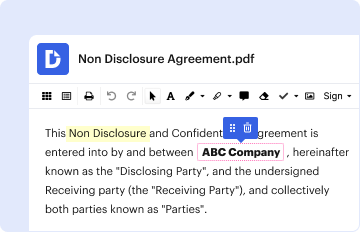
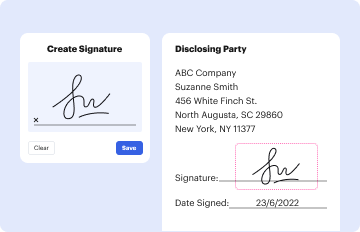
While traditionally, possession orders may have been managed as paper documents, the digital age allows for electronic versions, which offer ease of access and facilitation of modifications. Digital files can be securely stored, easily shared, and quickly updated, which is beneficial in streamlined communication between all parties and the court. DocHub and similar platforms support managing such documents in digital format, allowing users to edit, sign, and annotate as necessary.