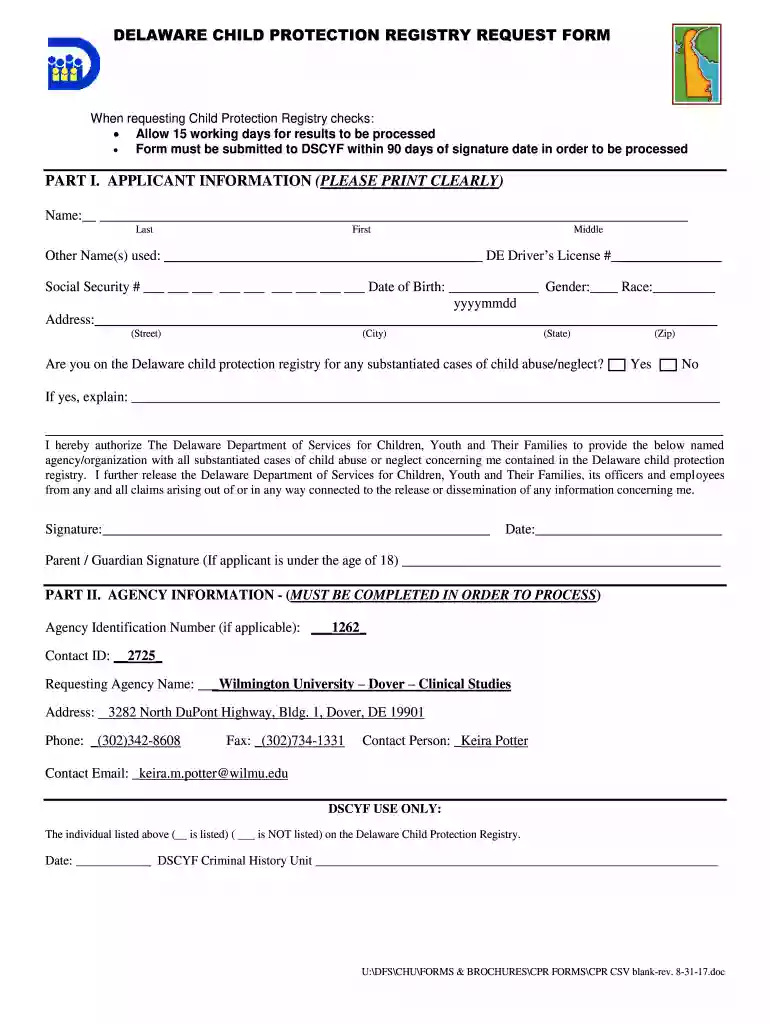
Definition & Meaning
Background checks in the university admissions process refer to the comprehensive review of a prospective student’s history to ensure the safety and integrity of the academic environment. These checks typically assess criminal records, educational history, and other relevant personal information that may affect an individual's suitability for admission into a university program.
Components of a Background Check
- Criminal History: An examination of any criminal records, including misdemeanors and felonies.
- Educational Verification: Confirmation of previous educational achievements and credentials.
- Identity Verification: Ensures the applicant’s identity matches the provided documentation.
- Disciplinary Records: Review of past disciplinary actions in prior educational institutions.
How to Use the Background Checks in the University Admissions Process
Universities utilize background checks to make informed decisions about applicants, promoting campus safety and compliance with regulatory requirements.
Application and Review
- Admissions Committees: Use background check results for evaluating applicant eligibility.
- Conditional Offers: Admissions decisions may be contingent on the outcome of a background check.
- Tailored Assessments: Adjust the depth and scope of checks based on the program's sensitivity and field.
Steps to Complete Background Checks in the University Admissions Process
- Initiating Checks: Begin with obtaining explicit consent from the applicant, detailing the scope and purpose.
- Selecting a Provider: Choose a reputable service that specializes in educational background checks.
- Data Collection: Gather necessary information such as full name, previous addresses, and social security number.
- Processing and Review: The service provider conducts the check, and results are reviewed by the admissions office.
- Decision Making: Use findings to inform admissions decisions, ensuring fairness and transparency.
Key Elements of Background Checks in the University Admissions Process
Background checks are multifaceted and can vary by institution, but generally include:
- Privacy Compliance: Adherence to privacy laws such as FERPA to protect applicant information.
- Timeliness: Conduct the checks early in the admissions timeline to prevent delays.
- Accuracy: Ensure all information gathered is up-to-date and correctly reported.
Legal Use of Background Checks in the University Admissions Process
The legal framework ensures that background checks are conducted ethically and lawfully.
Regulatory Compliance
- FERPA: Universities must comply with the Family Educational Rights and Privacy Act to protect student information.
- EEOC Guidelines: Follow Equal Employment Opportunity Commission guidelines to prevent discrimination.
- State Regulations: Adhere to state-specific laws governing the use of background checks in education.
Important Terms Related to Background Checks in the University Admissions Process
- FERPA: A federal law that protects the privacy of student education records.
- Consent Form: A document requiring a signature from the applicant, permitting the background check.
- Conditional Offer: Admission offers that are contingent on successfully passing a background check.
Who Typically Uses Background Checks in the University Admissions Process
Users and Stakeholders
- Admissions Officials: Primary users who integrate background check results into decision-making.
- Security Personnel: Utilize the findings to ensure campus safety.
- Legal Teams: Ensure that background checks comply with all legal standards.
State-Specific Rules for the Background Checks in the University Admissions Process
Different states may have varying rules about the implementation of background checks in university admissions, affecting how information is collected and used.
Examples
- California: Strict privacy laws may limit the scope of checks without explicit consent.
- Texas: Allows universities more freedom to use background checks as part of the admissions criteria.
Examples of Using Background Checks in the University Admissions Process
Case Studies
- Medical Schools: Often require extensive background checks to assess future license eligibility.
- Nursing Programs: Use checks to ensure student eligibility for clinical site placements with vulnerable populations.
- Law Schools: Conduct checks to align with future character and fitness assessments for bar admission.
By addressing these critical aspects, universities can maintain a safe and inclusive environment while ensuring compliance with necessary legal frameworks.