
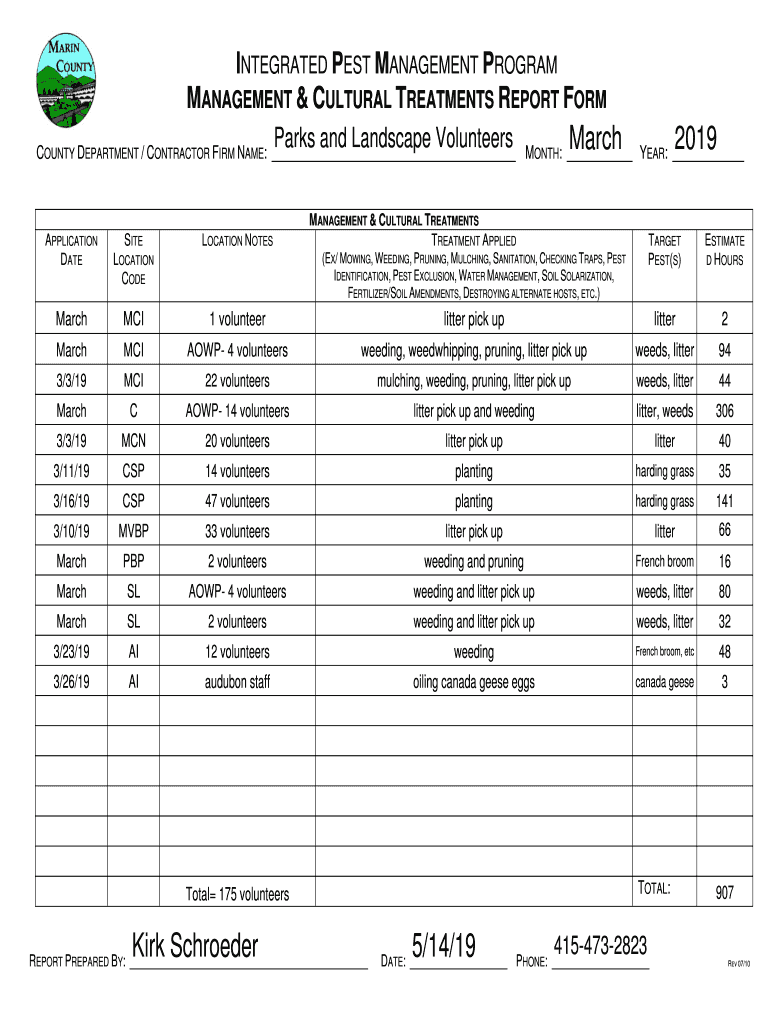







Definition and Meaning
An Integrated Pest Management Program (IPM) in the City of Portland is designed to control pest populations effectively while minimizing environmental impact. The program incorporates a holistic approach, focusing on long-term prevention and sustainable practices. It reduces reliance on chemical pesticides by implementing practices such as using biological controls, habitat manipulation, and modifying cultural practices.
- Biological Controls involve introducing natural predators or parasites to control pest populations.
- Cultural Practices include crop rotation and altering planting schedules to deter pest infestations.
- Habitat Manipulation encompasses removing pest hiding spots, like debris and weeds.
These methods aim to maintain ecological balance and foster healthy landscapes.
How to Use the Integrated Pest Management Program - The City of Portland
To use the Integrated Pest Management Program effectively, follow these strategic steps:
- Identify and Monitor Pests: Regularly inspect landscapes or areas of concern to identify pest species.
- Assess Pest Levels: Determine if the pest population exceeds acceptable thresholds based on the environmental and economic impact.
- Implement Control Strategies: Select the most suitable pest control techniques from IPM strategies, prioritizing non-chemical options.
- Evaluate and Adjust: Continuously monitor pest control results and adjust methods as necessary, ensuring effectiveness and minimizing harm to non-target organisms.
This cyclical process emphasizes ongoing evaluation, promoting efficient and responsible pest management.
Steps to Complete the Integrated Pest Management Program - The City of Portland
Complete the Integrated Pest Management Program by adhering to the following steps:
-
Initial Assessment:
- Conduct a comprehensive survey of the area to identify pests and environmental conditions.
- Gather data on pest behavior and potential control agents.
-
Plan Development:
- Create a detailed IPM plan tailored to the specific landscape requirements.
- Establish clear goals and performance indicators for pest management.
-
Implementation:
- Execute the IPM plan, employing appropriate control measures.
- Ensure seamless coordination with stakeholders, contractors, and volunteers.
-
Monitoring and Documentation:
- Maintain accurate records of pest levels and control strategies applied.
- Collect data on treatment efficacy and any adjustments made.
-
Review and Improvement:
- Regularly review outcomes against objectives.
- Refine strategies to improve efficiency and reduce environmental impact.
Following these structured steps ensures effective IPM practice in Portland’s varied ecological settings.
Key Elements of the Integrated Pest Management Program - The City of Portland
The IPM Program stands out with the following key elements:
- Education and Communication: Essential for community awareness and participation, fostering a collective responsibility for pest management.
- Stakeholder Involvement: Encourages collaboration among local government, contractors, volunteers, and residents.
- Sustainable Methods: Prioritizes environmentally friendly techniques, like the use of native plant species to enhance biodiversity.
- Compliance and Monitoring: Adheres to legal standards and employs rigorous monitoring to prevent pest resurgence.
Each element contributes to a comprehensive and sustainable pest management strategy.
Who Typically Uses the Integrated Pest Management Program - The City of Portland
Users of the Integrated Pest Management Program in Portland include:
- Municipal Agencies: Local government departments tasked with maintaining public parks and recreational areas.
- Contractors: Professionals involved in landscaping and maintenance projects.
- Community Groups and Volunteers: Residents participating actively in maintaining neighborhood environments.
- Environmental Organizations: NGOs that support sustainable land use and biodiversity conservation in urban areas.
These entities work collaboratively to achieve effective pest management while ensuring community involvement and ecological sustainability.


Important Terms Related to Integrated Pest Management Program - The City of Portland
Familiarity with certain terms is crucial for understanding the IPM Program:
- Threshold Levels: Pest populations that trigger management actions.
- Biocontrol Agents: Natural organisms used to control pest species.
- Non-Target Organisms: Flora and fauna not intended to be affected by pest control methods.
- Pest Resistance: The adaptation of pests making them less susceptible to control measures.
Knowing these terms enhances comprehension and execution of pest management strategies.
Legal Use of the Integrated Pest Management Program - The City of Portland
Legal compliance is mandatory for implementing IPM in Portland. The program must:
- Follow Local Regulations: Adhere to local pest management laws, ensuring protection of public health and safety.
- Use Approved Practices: Only deploy legally sanctioned pest control methods and substances.
- Document and Report: Maintain thorough reports for accountability and legal review purposes.
Non-compliance can lead to penalties and compromise the program’s credibility and effectiveness.
Examples of Using the Integrated Pest Management Program - The City of Portland
Real-world examples highlight the application of the IPM Program:
- Public Parks Maintenance: Regular monitoring in urban parks to adapt measures for controlling invasive species naturally.
- School Grounds: Reduced pesticide use by employing cultural practices such as aeration and overseeding to manage turf pests.
- Community Gardens: Use of companion planting to deter pests and enhance crop resilience.
These scenarios demonstrate the IPM Program’s adaptability and efficacy in diverse settings.
Penalties for Non-Compliance
Non-compliance with the Integrated Pest Management Program can result in:
- Fines and Sanctions: Financial and operational penalties imposed by regulatory bodies.
- Reputational Damage: Loss of community trust and collaboration opportunities.
- Legal Consequences: Liability for environmental or health damages caused by improper pest control practices.
Compliance ensures ongoing program viability and benefit to Portland’s communities and environment.
Application Process and Approval Time
The IPM Program requires a defined application process:
- Submission: Prepare and submit an IPM strategy detailing methods and expected outcomes.
- Review: Authorities evaluate the proposal for compliance with regulations and objectives.
- Approval: Confirms adherence to standards, allowing execution and support documentation.
Approval timelines vary based on plan complexity, ensuring a thorough and compliant implementation process.




