
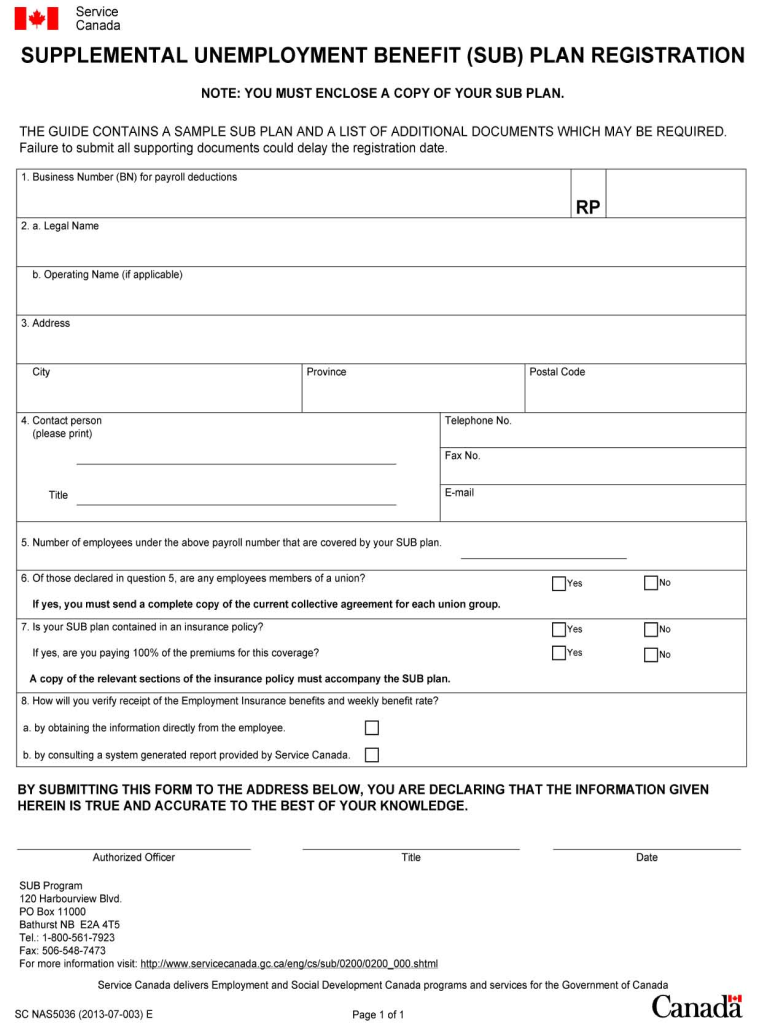







Definition & Meaning
"Employment Insurance - servicecanada gc" is an official program designed to provide temporary financial assistance to unemployed Canadians who have lost their jobs through no fault of their own. This program, which falls under the jurisdiction of Service Canada, aims to partially replace lost earnings while individuals search for new employment or upgrade their skills. The financial aid is extended to eligible individuals who meet specific criteria, offering a crucial safety net during times of job transition.
Key Elements of the Program
-
Eligibility Requirements: To qualify, applicants must have been employed in insurable employment, lost their job through no fault of their own, and have been without work and pay for at least seven consecutive days.
-
Benefit Duration: The duration of benefits depends on the unemployment rate in the region and the number of insurable hours accumulated by the applicant.
How to Use the EMPLOYMENT INSURANCE - servicecanada gc
Navigating the process of applying for Employment Insurance requires understanding the steps involved. The initial stage demands gathering all relevant documents and ensuring they meet the required standards set by Service Canada.
Steps to Complete the Application
-
Preparation: Gather essential documents, such as your record of employment (ROE), identification, and banking information for direct deposit.
-
Online Application: Visit the Service Canada website and complete the online application form. Be sure to fill in all required information accurately to avoid delays.
-
Document Submission: Submit any additional documents electronically or via mail as specified by Service Canada.
-
Follow-Up: After application submission, monitor the status via your My Service Canada Account to ensure no further action is required on your part.
Who Typically Uses the EMPLOYMENT INSURANCE - servicecanada gc
The Employment Insurance program is primarily utilized by Canadian workers who have experienced an unexpected job loss. It is designed to aid individuals across various sectors, including those in seasonal employment, part-time workers, and full-time employees facing layoffs.


Business Types Benefiting Most
-
Seasonal Industries: Employees in sectors like construction, fishing, and tourism frequently rely on this support during off-peak seasons.
-
Small Businesses and Startups: During downturns, small business employees often depend on this program while seeking new opportunities.
Eligibility Criteria
Specific eligibility criteria dictate who can benefit from the Employment Insurance program.

Components of Eligibility
-
Insurable Employment: Applicants must have worked in an insurable employment role.
-
Accumulated Hours: The number of insurable hours required varies based on regional unemployment rates.
-
Reason for Unemployment: Individuals must have been unemployed through no fault of their own, such as due to company restructuring or seasonal layoffs.
Required Documents
Providing the correct documentation is crucial for a successful claim under Employment Insurance.
Essential Documents Include
-
Record of Employment (ROE): This document from your employer details your work history and is necessary for application processing.
-
Identification: Government-issued ID for verification purposes.
-
Banking Details: Required for setting up direct deposit of benefits.
Form Submission Methods (Online / Mail / In-Person)
Applicants have multiple ways to submit their application for Employment Insurance, allowing for flexibility based on individual circumstances.
Methods of Submission
-
Online Submission: The most efficient method, allowing for quick processing through the Service Canada website.
-
Mail Submission: Physical documentation can be sent if preferred, though processing times may be longer.
-
In-Person Submission: Available at local Service Canada centers for those requiring assistance.
Legal Use of the EMPLOYMENT INSURANCE - servicecanada gc
Understanding the legal expectations surrounding the use of Employment Insurance is vital to ensure compliance and avoid penalties.
Legal Responsibilities
-
Accurate Reporting: It is imperative to report any changes in employment status or income accurately to Service Canada.
-
Timely Communication: Keep Service Canada informed of any shifts in your situation that might influence eligibility or benefit amounts.
Penalties for Non-Compliance
Failure to adhere to the guidelines and requirements of the Employment Insurance program can result in significant penalties.
Non-Compliance Consequences
-
Reduction or Termination of Benefits: Misreporting or delays in communication can lead to reduced benefits or termination.
-
Repayment Obligations: Incorrect payments received may need to be repaid, and deliberate fraud can result in further legal action.
By adhering to these guidelines and understanding the various aspects of the "Employment Insurance - servicecanada gc", applicants can maximize their chances of a smooth and beneficial experience with this essential Canadian program.


