How Long After a Car Accident Can You File a Claim? 2026

Get Form
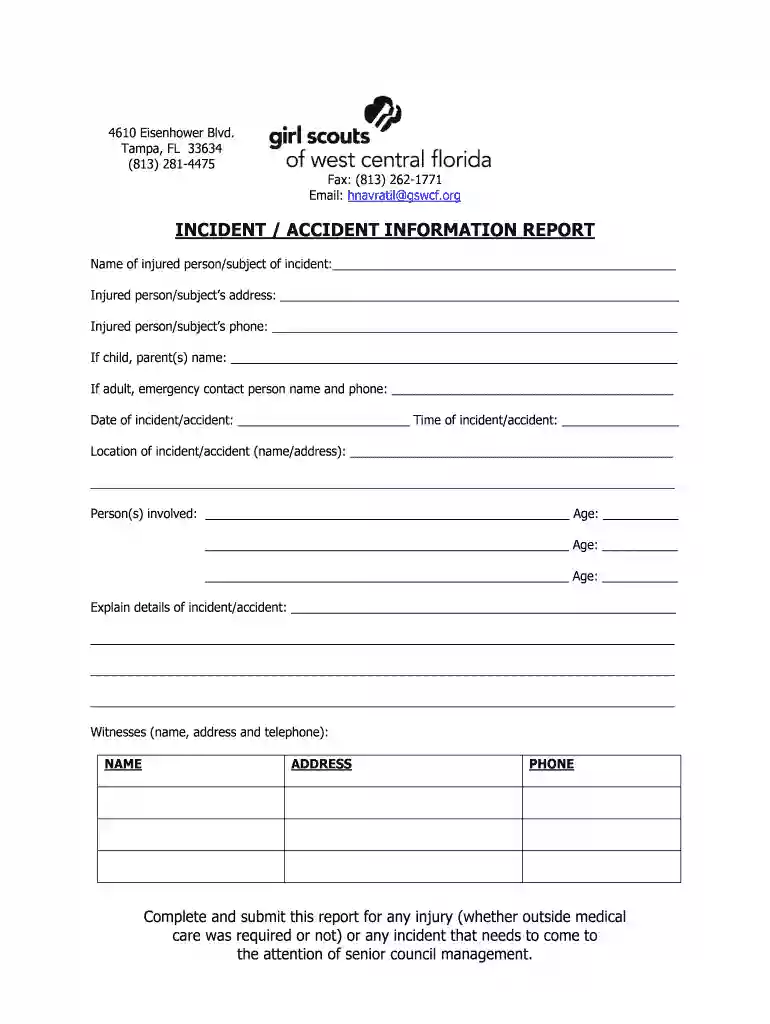
How Long After a Car Accident Can You File a Claim? Preview on Page 1

Here's how it works

01. Edit your form online
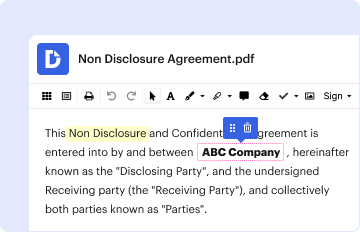
Type text, add images, blackout confidential details, add comments, highlights and more.

02. Sign it in a few clicks
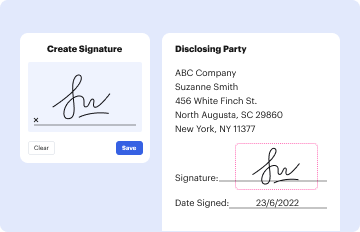
Draw your signature, type it, upload its image, or use your mobile device as a signature pad.

03. Share your form with others
Send it via email, link, or fax. You can also download it, export it or print it out.

Definition and Meaning

Understanding the process of filing a claim after a car accident is crucial for ensuring that any damages, injuries, or losses are appropriately addressed. Filing a claim is a formal request to an insurance company for coverage or compensation for the losses stemming from a car accident. This process involves important deadlines and requirements that must be adhered to for a successful claim. Based on the legal principles surrounding personal injury and property damage, the claim process seeks to restore the parties involved to their pre-accident conditions as much as possible.

Key Concepts

  • Accident Claim: A request for insurance compensation after a car accident.
  • Deadline: Specific time limits within which the claim must be filed.
  • Compensation: Financial reimbursement or payment for damages or injuries incurred.

Filing Deadlines and Important Dates

Timely filing is crucial in the claims process. Most states have specific statutes of limitations, often ranging from one to three years, within which you must file your claim. These deadlines vary from state to state and may depend on the specifics of the claim, such as property damage or personal injury.

Factors to Consider

  • State Laws: Each state has its own deadline for filing claims, known as the statute of limitations.
  • Insurance Policy Requirements: Insurance companies often require policyholders to report accidents and file claims promptly, which is usually within a few days to a few weeks after the accident.
  • Type of Claim: Personal injury claims may have different deadlines compared to property damage claims.

Steps to Complete the Claim Form

Completing a claim form accurately is vital for a smooth claims process. It involves several steps that begin immediately after the accident. Proper preparation and documentation can expedite the resolution process.

Step-by-Step Process

  1. Gather Information: Collect all relevant information at the accident scene, including contact details of involved parties, witness statements, and photographs.
  2. Report to Insurer: Notify your insurance company about the accident as soon as possible.
  3. Complete the Claim Form: Fill out the claim form provided by your insurance company, including all pertinent details such as accident description, damages incurred, and any injuries.
  4. Submit Required Documents: Attach necessary documents, such as police reports, medical records, and repair estimates, with your claim form.
  5. Review and Submit: Before submission, review your claim form to ensure accuracy and completeness. Submit it through your insurance company’s recommended method, which could be online, mail, or in-person.

Required Documents for a Car Accident Claim

Having the correct documentation is essential when filing a claim. Properly organized documents can facilitate quicker processing and decision-making by insurance companies.

Essential Documents

  • Police Report: Official documentation of the accident, detailing events and parties involved.
  • Medical Records: Evidence of any injuries sustained in the accident and subsequent treatment.
  • Repair Estimates or Invoices: Documentation of vehicle damage and cost estimates for repairs.
  • Witness Statements: Accounts from individuals who witnessed the accident.
  • Photographic Evidence: Photos taken at the scene showing the damages and conditions.

Who Typically Uses the Claim Process?

Anyone involved in a car accident may need to use the claim process, including vehicle owners, drivers, passengers, and pedestrians. Understanding who benefits from this process can clarify the importance of filing a claim timely.


decoration image ratings of Dochub

Common Users

  • Vehicle Owners: To claim compensation for vehicle damage.
  • Drivers and Passengers: For personal injury and medical expense claims.
  • Pedestrians: If involved in the accident and seeking damages for injuries.
  • Policyholders: Even if not at fault, to ensure their rights under their insurance policy.
decoration image

Legal Use and Compliance

Complying with legal and policy requirements is critical in the claims process. Failure to follow guidelines can result in denied claims or delayed compensation.

Compliance Factors

  • Policy Adherence: Follow all procedures as laid out by the insurance policy.
  • Legal Advice: Consider consulting with a lawyer to ensure compliance and to understand your rights.
  • Documentation: Maintain a comprehensive record of all aspects of the accident and claims process.

Examples of Using the Claim Process

Real-world scenarios can illustrate how filing a claim is practiced and the importance of meeting deadlines and requirements.

Practical Scenarios

  • Minor Collision: A driver involved in a minor fender-bender might file a claim for vehicle repair costs using the process described.
  • Injury Claims: Passengers injured in an accident may file a claim for medical expenses, aiming for a resolution that considers their medical treatments and recovery time.
  • Multi-Vehicle Accident: In a more complex scenario involving multiple cars, each party may need to file their claims, reflecting the nature of shared and individual damages.

Important Terms Related to Car Accident Claims

An understanding of specific terms is crucial for navigating the claims process successfully.

Key Terms

  • Deductible: The amount paid out-of-pocket by the policyholder before the insurance coverage applies.
  • Liability: Legal responsibility for the damages or injuries.
  • Coverage: The extent to which the insurance policy provides protection against damages.

By comprehensively addressing these topics, individuals can better navigate the claims process following a car accident, ensuring they meet all legal and policy requirements timely and accurately.

See more How Long After a Car Accident Can You File a Claim? versions

We've got more versions of the How Long After a Car Accident Can You File a Claim? form. Select the right How Long After a Car Accident Can You File a Claim? version from the list and start editing it straight away!
Versions Form popularity Fillable & printable
2021 4.8 Satisfied (60 Votes)
2020 4.8 Satisfied (93 Votes)
2019 4 Satisfied (64 Votes)
2014 4.9 Satisfied (31 Votes)
be ready to get more

Complete this form in 5 minutes or less

Get form

Got questions?

We have answers to the most popular questions from our customers. If you can't find an answer to your question, please contact us.
Contact us
Section 11 of the Limitation Act 1980 (LA 1980) states the limitation period for a personal injury claim, which include road traffic accident claims, is three years.
The statue of limitations is usually 4 - 5 years, depending on your state. As long as your policy was in force at that time it will be covered. If you had any lapse in coverage the claim could possibly be denied since there is no proof when the accident actually happened. Usually there isnt any issue.
Theres typically one deadline for personal injury claims and one for property damage claims. For example, the statute of limitations on insurance claims in California is two years for personal injury and three years for property damage.
If its a personal injury claim, generally in Alabama, you have two years from the date of the accident within which to bring the claim.
Theres no time limit for making a claim, but its a good idea to get in touch as soon as possible.

Security and compliance

At DocHub, your data security is our priority. We follow HIPAA, SOC2, GDPR, and other standards, so you can work on your documents with confidence.

Learn more
ccpa2
pci-dss
gdpr-compliance
hipaa
soc-compliance

People also ask

What is the maximum time for an insurance claim? The maximum time to claim varies by policy but is generally between 7 and 30 days from the date of treatment or hospital discharge.

Related links