




01. Edit your form online
Type text, add images, blackout confidential details, add comments, highlights and more.

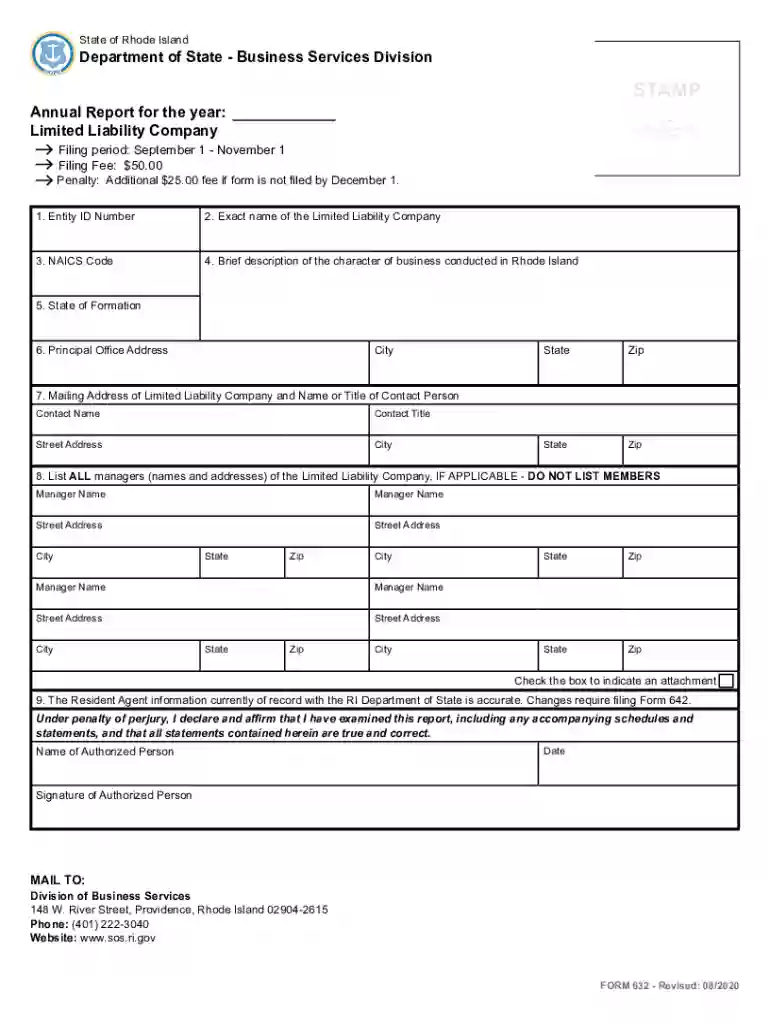
Type text, add images, blackout confidential details, add comments, highlights and more.

Draw your signature, type it, upload its image, or use your mobile device as a signature pad.

Send it via email, link, or fax. You can also download it, export it or print it out.
The phrase "information provided are not substitutes for the advice and services of an attorney and or tax specialist" serves as a legal disclaimer. It clarifies that any informational content or suggestions offered should not be considered a replacement for professional legal or tax advice. This statement underscores the importance of seeking personalized advice from qualified professionals, ensuring that individuals and businesses make informed decisions based on their specific circumstances.
While the information provided can offer insights and general guidance, it should be used as a supplementary tool alongside professional advice. Users should interpret the content as an educational resource to better understand potential legal or tax implications before consulting with a specialist.
This disclaimer typically includes several critical components that define its scope and limitations. Understanding these elements helps users recognize the boundaries of reliance on the provided information.
The legal use of this disclaimer protects content providers from liability that may arise when individuals act on provided information without professional advice.
To ensure compliance and sound decision-making, it is essential to integrate professional advice into your process effectively. Follow these steps to optimize outcomes:
Legal and tax regulations can differ significantly across states, affecting the application of generalized information. It is crucial to comprehend these variations to ensure compliance.
Different circumstances illustrate the applicability of the disclaimer, emphasizing the necessity of professional guidance in varied scenarios.
Understanding the IRS guidelines helps ensure that all actions taken are within compliance, avoiding potential pitfalls and penalties.
We've got more versions of the information provided are not substitutes for the advice and services of an attorney and or tax speci form. Select the right information provided are not substitutes for the advice and services of an attorney and or tax speci version from the list and start editing it straight away!
At DocHub, your data security is our priority. We follow HIPAA, SOC2, GDPR, and other standards, so you can work on your documents with confidence.
This form and the information provided are not substitutes for the advice and services of an attorney and tax specialist. Commentary. This form has been
Attorney fees are not recoverable in respect of legal advice or representation provided during preliminary administrative FOIA proceedings. Prevailing
FreeWill is not a law firm and its services are not substitutes for an attorneys advice. provide, and should not be construed as providing legal or tax


