
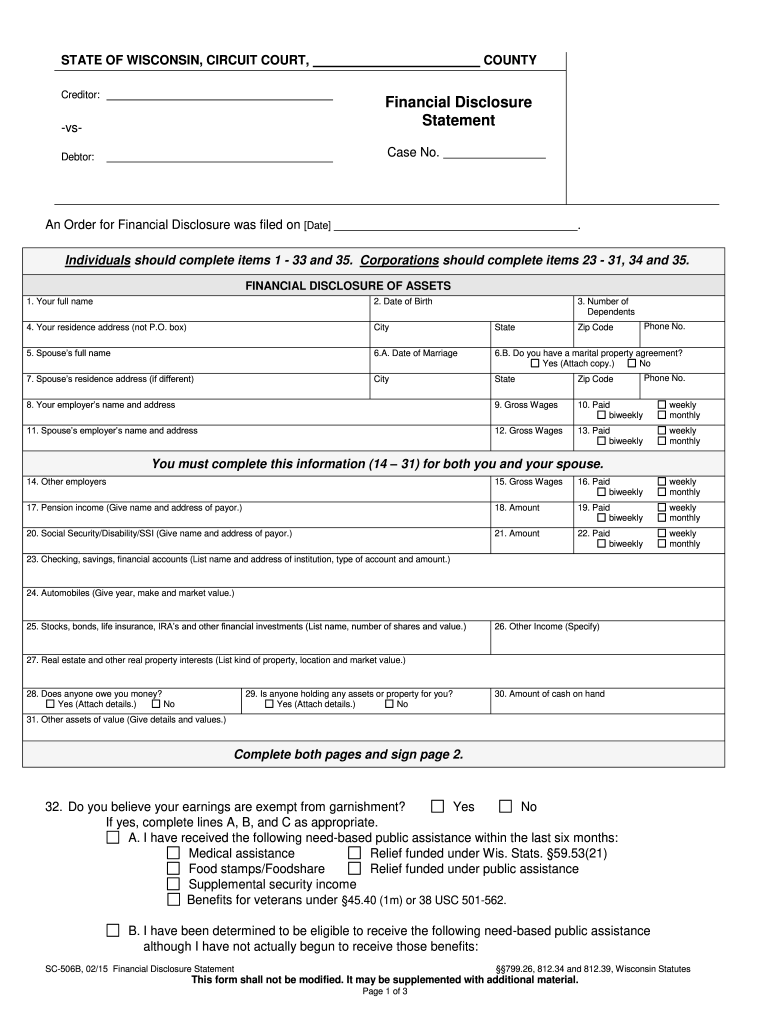







Definition & Purpose of the Tax Diary - VKS Accounting
The "Tax Diary - VKS Accounting" is a detailed record-keeping tool designed to assist individuals and businesses in managing their tax-related activities. Its primary focus is on tracking financial transactions, deadlines, and obligations related to taxation. By maintaining an accurate and up-to-date tax diary, users can ensure compliance with tax regulations, avoid penalties, and efficiently prepare for tax filings. This tool is particularly valuable for self-employed individuals, small business owners, and accounting professionals who manage multiple clients' financial records.
How to Use the Tax Diary - VKS Accounting
Using the Tax Diary involves a systematic approach to logging and updating financial data. Users should begin by creating entries for all relevant transactions, such as income, expenses, and deductible items. Specific fields in the diary help organize data by category, date, and amount. Regular reviews and updates are essential to reflect recent financial activities accurately. Implementing a consistent routine, such as weekly or monthly reviews, can enhance accuracy and ensure that no critical information is overlooked.
- Maintain a chronological record of all tax-related transactions.
- Use categorization features to differentiate between income types and expenses.
- Ensure regular updates to keep the diary current and accurate.
- Schedule reminders for upcoming tax deadlines or payment due dates.
Steps to Complete the Tax Diary - VKS Accounting
-
Gather Necessary Financial Documents: Collect all relevant financial documents, including receipts, invoices, and bank statements. This ensures that the data entered into the diary is accurate and comprehensive.
-
Create Initial Entries: Start by entering all financial transactions for the reporting period, beginning with income and revenue streams.
-
Categorize Expenses: Assign each expense to the correct category, such as operational costs, supplies, or travel. Clear categorization helps in understanding spending patterns and deductible expenses.
-
Track Deadlines: Enter important tax-related deadlines to ensure timely filings and payments. Use this function to set alerts for upcoming due dates.
-
Review and Reconcile: Regularly compare diary entries against financial statements to verify accuracy and address discrepancies.
-
Export Data: Once all entries are complete and verified, export the data for use in tax preparation software or for submission to an accountant.
Key Elements of the Tax Diary - VKS Accounting
- Transaction Log: A structured log that tracks all income and expenses.
- Category Assignment: Tools for categorizing transactions to simplify financial analysis and tax reporting.
- Deadline Tracker: A built-in calendar feature that marks key tax deadlines and provides alerts.
- Data Export Options: Functionality to export diary data for use with accounting software.
IRS Guidelines and Filing Deadlines
The IRS provides guidelines that dictate how tax information should be reported. The Tax Diary is a valuable tool in aligning with these requirements. Key IRS deadlines include:
- Quarterly Tax Payments: For self-employed individuals, estimated payments are typically due four times per year.
- Annual Tax Return Filing: Individuals and businesses must submit their returns by April 15 unless an extension is filed.
Users of the Tax Diary should familiarize themselves with these guidelines to ensure compliance and avoid potential penalties.
Required Documents for the Tax Diary
To maintain a comprehensive Tax Diary, users need to gather various documents, such as:
- Income statements or pay stubs
- Bank account summaries
- Receipts for all deductible expenses
- Records of charitable contributions
These documents are necessary for accurate record-keeping and substantiating claims made in tax filings.
Who Typically Uses the Tax Diary - VKS Accounting
The Tax Diary is suited for a variety of users, each with unique needs:
- Self-Employed Individuals: Benefit from tracking their income and expenses to simplify estimated tax calculations and year-end filings.
- Small Business Owners: Use the diary to manage the financial aspects of running a business, including tracking deductible expenses.
- Accounting Professionals: Manage multiple client accounts by keeping detailed records and advising on tax strategies.


Compliance and Legal Usage of the Tax Diary
Using the Tax Diary correctly ensures compliance with both federal and state tax laws. Proper usage involves maintaining accurate records and adhering to statutory requirements for documentation and filings. Consult with a tax professional for specific legal advice and to ensure that all records meet necessary legal standards, especially in cases involving complex tax scenarios or state-specific regulations.


