Honolulu rep siteSHORT-TERM RENTAL DISCLOSURE STATEMENT 2026

Get Form
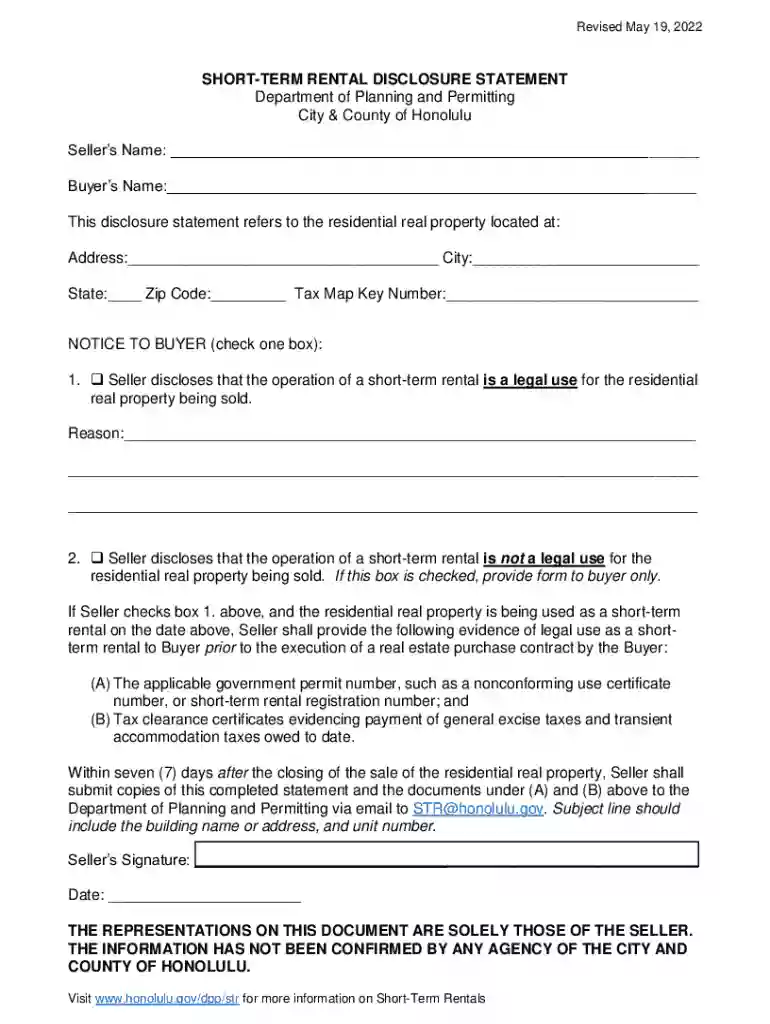
honolulu rep siteSHORT-TERM RENTAL DISCLOSURE STATEMENT Preview on Page 1

Here's how it works

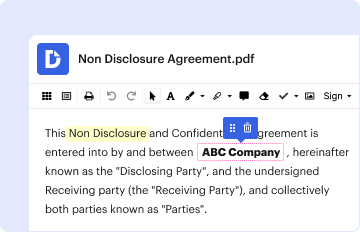
01. Edit your form online
Type text, add images, blackout confidential details, add comments, highlights and more.

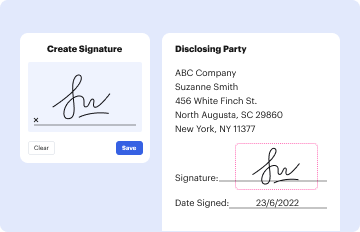
02. Sign it in a few clicks
Draw your signature, type it, upload its image, or use your mobile device as a signature pad.

03. Share your form with others
Send it via email, link, or fax. You can also download it, export it or print it out.

Definition and Meaning of the Short-Term Rental Disclosure Statement

The Short-Term Rental Disclosure Statement from the Department of Planning and Permitting for the City & County of Honolulu is a critical document used during real estate transactions involving properties with short-term rental operations. This form mandates sellers to declare the legal status of these rentals, highlighting whether such operations are permitted in the property being sold. The document's primary purpose is to ensure transparency between sellers and buyers regarding the rental's legal use, mitigating potential conflicts or misunderstandings post-purchase. It outlines the necessity for sellers to furnish evidence of legal operation and compliance with local taxation obligations.

Obtaining the Short-Term Rental Disclosure Statement

Acquiring the Short-Term Rental Disclosure Statement involves contacting the Department of Planning and Permitting for guidance and official issuance. This document may also be accessible through local real estate agents or online portals that support real estate transactions in Honolulu. Key steps include:

  1. Visiting the official City & County of Honolulu website to check for downloadable versions.
  2. Consulting with real estate professionals familiar with local regulations to obtain and understand the form.
  3. Checking online platforms specializing in real estate documentation, which might offer resources or direct links to the form.

Steps to Complete the Disclosure Statement

Completing a Short-Term Rental Disclosure Statement requires attention to detail and an understanding of local regulations. Essential steps include:

  1. Identifying Property Details: Provide accurate information about the property's location and ownership.
  2. Legal Status Declaration: Clearly state if short-term rental operations are legally permitted.
  3. Evidence Submission: Attach supporting documentation proving legal use and tax compliance.
  4. Review and Sign: Ensure all information is accurate, as the seller's representations are not verified by city agencies, then sign the document.

Importance of the Disclosure Statement

The Short-Term Rental Disclosure Statement serves several vital roles:

  • Legal Assurance: Protects buyers from unknowingly acquiring properties that may face regulatory issues.
  • Transparency: Facilitates clear communication about the property's rental status, preventing potential legal disputes.
  • Financial Due Diligence: Ensures both parties have appropriate knowledge of any tax obligations and legal conditions related to short-term rentals.

Typical Users of the Disclosure Statement

Typically, real estate agents, property sellers, buyers, and legal professionals use the Short-Term Rental Disclosure Statement during transactions involving potential short-term rental properties. Sellers use it to disclose pertinent information, while buyers and their agents review it to understand the property's rental status and legality fully.

Key Elements of the Disclosure Statement

The document includes several critical components:

  • Property Information: Details about the property's address and current ownership.
  • Rental Status: A declaration regarding the legality of short-term rentals.
  • Supporting Documentation: Evidence of compliance with short-term rental regulations and taxation laws.
  • Seller's Signatures: Confirmation from the seller that the provided information is complete and accurate.

Legal Use of the Disclosure Statement in Honolulu

The Short-Term Rental Disclosure Statement holds legal significance in Honolulu due to its mandatory use in real estate transactions involving properties with potential or existing short-term rentals. Compliance with this form is necessary to adhere to local regulations and ensures that all parties are aware of the legal requirements and status concerning short-term rental operations.

Disclosure Requirements and Penalties for Non-Compliance

Failing to comply with the necessary disclosure requirements can lead to significant penalties. These may include fines, legal disputes, or the inability to complete the sale. It's imperative for sellers to accurately complete the form and attach relevant documentation to avoid these consequences. Penalties reinforce the importance of transparency and legal compliance in real estate transactions involving short-term rentals.

See more honolulu rep siteSHORT-TERM RENTAL DISCLOSURE STATEMENT versions

We've got more versions of the honolulu rep siteSHORT-TERM RENTAL DISCLOSURE STATEMENT form. Select the right honolulu rep siteSHORT-TERM RENTAL DISCLOSURE STATEMENT version from the list and start editing it straight away!
Versions Form popularity Fillable & printable
2022 4.8 Satisfied (129 Votes)
2022 4.2 Satisfied (51 Votes)
be ready to get more

Complete this form in 5 minutes or less

Get form

Got questions?

We have answers to the most popular questions from our customers. If you can't find an answer to your question, please contact us.
Contact us
Short-term rentals (STRs) are also known as vacation rentals and are lodgings that provide guest accommodation for less than 30 consecutive days.
Tax registration: Hawaii Airbnb property owners need to register with the Hawaii Department of Taxation for a transient accommodations tax (TAT) license for a fee of $5 for 1-5 units and $15 for 6+ units and for a general excise tax (GET) license for a fee of $15.
Short-Term Rental Licensing Requirement in Hawaii Completed STRH permit application. docHubd owner certification form. Zoning and flood confirmation form. Site and floor plans. Neighbor notice of filing. Property tax compliance documentation. Government-issued identification. Proof of property insurance.
Vacation rentals on Oahu are also called STRs or Short-Term Rentals. These lodgings provide accommodation to guests for less than 30 consecutive days. STRs are only allowed in resort-zoned areas on Oahu and a few apartment-zoned areas. These regulations are in place to preserve housing for long-term residents.
Ordinance 22-7 was introduced in 2022 to increase the minimum rental period for these properties from 30 days to 90 days.

Security and compliance

At DocHub, your data security is our priority. We follow HIPAA, SOC2, GDPR, and other standards, so you can work on your documents with confidence.

Learn more
ccpa2
pci-dss
gdpr-compliance
hipaa
soc-compliance

People also ask

STRs are only permitted in resort-zoned areas, and as shown in Ordinance 22-7. Any owner or operator interested in renting out a unit within the STR-eligible areas for less than 30-days must register each unit to be rented for less than 30 days.

Related links