
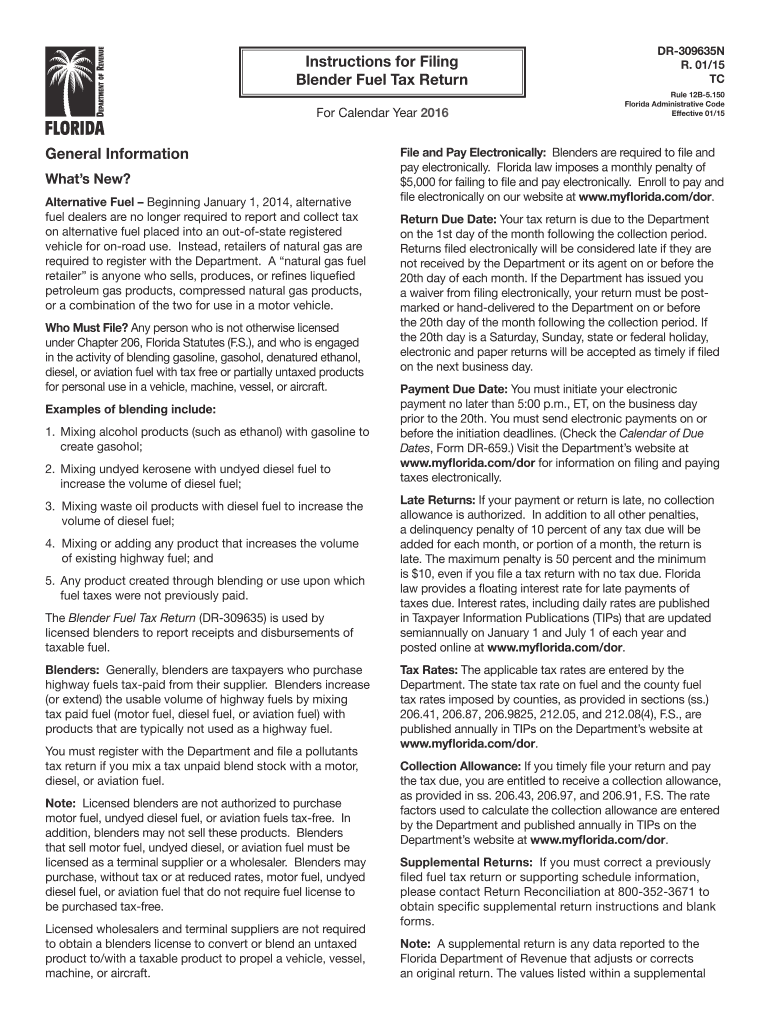







Definition and Purpose of the 2014 Taxation, Diversion, Alternative Fuels Booklet
The "2014 Taxation, Diversion, Alternative Fuels Booklet - FTA Home Page" serves as a comprehensive guide provided by the Federation of Tax Administrators (FTA). It outlines essential guidelines and instructions on taxation policies, diversion reports, and handling alternative fuels during the 2014 fiscal year. Typically, this booklet is utilized by tax professionals, government officials, and businesses involved in the production, distribution, or consumption of alternative fuels. Its primary purpose is to ensure these entities comply with federal and state tax requirements, allowing them to accurately report and file taxes related to alternative fuels.
Key Components of the 2014 Taxation Booklet
The booklet contains several critical sections designed to facilitate an understanding of tax obligations and benefits concerning alternative fuels:
- Taxation Guidelines: Details the tax liabilities and credits available to businesses using or distributing alternative fuels.
- Diversion Protocols: Explains how to report fuel diversions and the implications for tax adjustments.
- Regulatory Changes: Highlights modifications in tax regulations from previous years, providing updates on new compliance requirements.
- Alternative Fuels: Defines the types of alternative fuels covered, including biodiesel, ethanol, and natural gas, and explains their specific tax treatments.
Steps to Complete the 2014 Taxation Booklet
Completing the booklet involves several structured steps to ensure all necessary information is accurately reported:
- Gather Necessary Documentation: Collect all pertinent data on fuel types, quantities, and distribution records.
- Review Tax Credit Eligibility: Examine eligibility criteria for tax credits available for alternative fuels utilized or sold.
- Complete Diversion Reports: Accurately record any instances of fuel diversion and provide the required justifications.
- Fill Out Required Sections: Follow the booklet's instructions to complete each relevant section, ensuring all information is up-to-date and correct.
- Submit by Deadline: Ensure the completed booklet is submitted by the prescribed deadline to avoid penalties.
Importance of Using the 2014 Taxation Booklet
This booklet is instrumental for businesses and government entities dealing with alternative fuels for several reasons:
- Regulatory Compliance: Helps ensure adherence to federal and state tax laws, minimizing the risk of legal issues or financial penalties.
- Financial Benefits: Identifies potential tax credits and incentives, helping entities reduce their overall tax liabilities.
- Accurate Reporting: Promotes accuracy in tax filings, protecting entities from audits and discrepancies.
Who Typically Uses the 2014 Taxation Booklet
The booklet is primarily used by:
- Tax Professionals: Accountants and tax advisors assisting clients in the fuel industry with compliance and tax optimization.
- Government Agencies: State and federal departments overseeing taxation and environmental regulations.
- Fuel Companies: Businesses involved in the production, distribution, or consumption of alternative fuels.


Important Terminology in the Booklet
Understanding the key terms used within the booklet is crucial:
- Alternative Fuels: Refers to non-traditional fuels like biodiesel, ethanol, and compressed natural gas that qualify for specific tax treatments.
- Diversion: The act of redirecting fuel from its intended distribution channel, requiring detailed reporting for tax purposes.
- Tax Credit: A reduction in tax liability offered as an incentive for using or producing alternative fuels.
Penalties for Non-Compliance
The failure to adhere to the guidelines outlined in the booklet can lead to several penalties:
- Monetary Fines: Financial penalties levied for incorrect reporting or non-submission of necessary documentation.
- Legal Repercussions: Potential legal action by government authorities for significant non-compliance.
- Loss of Tax Credits: Forfeiture of available tax incentives for failing to comply with diversion reporting and taxation rules.
IRS Guidelines and State-Specific Rules
While the booklet provides a federal overview, it’s crucial to also consult IRS guidelines and state-specific laws:
- IRS Compliance: Align your filings with Internal Revenue Service requirements to ensure comprehensive compliance.
- State Differences: Each state may have variations in tax regulations; consult local government resources for state-specific guidelines and amendments.
Filing Options: Digital vs. Paper Submission
The booklet allows for flexible submission methods:
- Online Filing: Offers a faster, more accessible option for submitting documentation through government websites or specialized tax software.
- Paper Submission: Traditional method for those preferring a physical submission, typically involving mailing a completed form to the relevant tax authority.
Utilizing the 2014 Taxation Booklet effectively ensures that entities involved in the alternative fuels sector fully benefit from available tax advantages while maintaining compliance with legal obligations.




