




01. Edit your form online
Type text, add images, blackout confidential details, add comments, highlights and more.

Type text, add images, blackout confidential details, add comments, highlights and more.

Draw your signature, type it, upload its image, or use your mobile device as a signature pad.

Send it via email, link, or fax. You can also download it, export it or print it out.
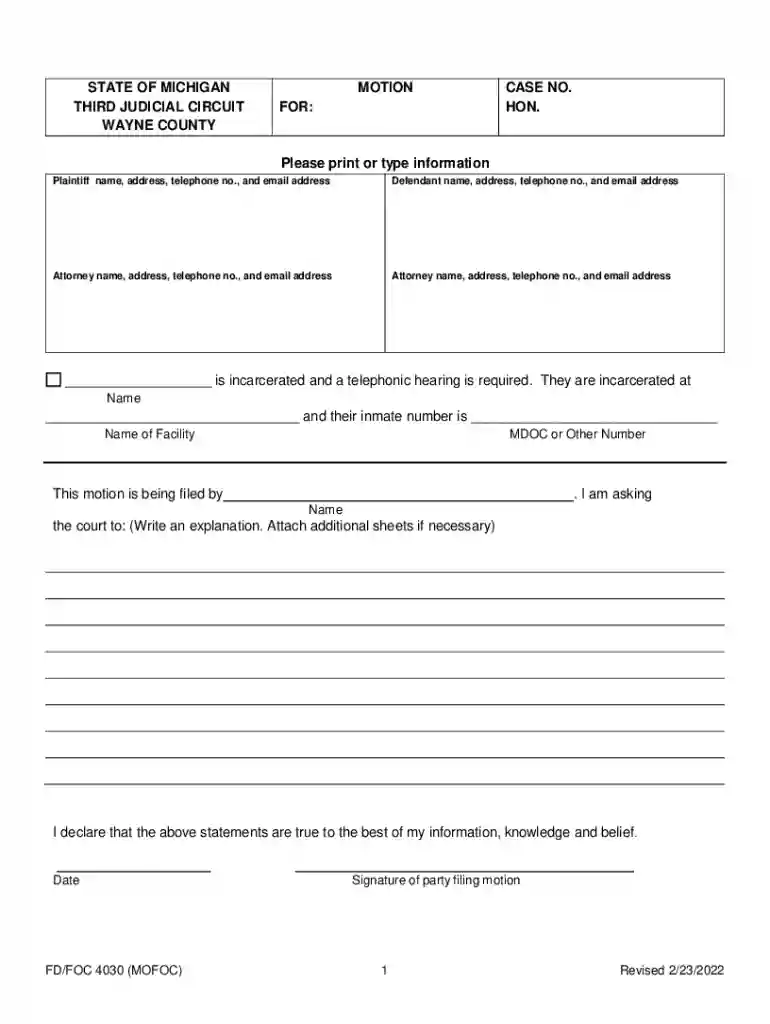
Changing a custody order involves altering the existing legal agreement regarding the custody of a child. This form often arises during disputes when a parent wants to modify the terms of physical or legal custody. It is commonly part of family law procedures and typically initiated when a significant change in circumstances affects the child's best interests. Such changes might involve relocation, changes in a parent's ability to care for the child, or the child's own needs.
To use this form effectively, individuals must first understand the specific conditions that warrant a custody change. The form is used to formally request the court to review and revise existing custody arrangements. Users should complete all sections, providing detailed information about current custody terms and the proposed changes. Supporting documents, such as evidence of changed circumstances or expert evaluations, should accompany the form to strengthen the case.
Review Current Custody Agreement: Begin by examining the existing custody order to understand the provisions and any conditions that govern modifications.
Document Changes in Circumstances: Carefully document any significant changes in circumstances since the original order was established, which justify the modification.
Complete the Form: Fill out the form, ensuring that all requested information is provided and that it aligns with the documented changes.
Attach Supporting Evidence: Include any relevant documentation such as medical reports, school records, affidavits, or witness statements that support the request for a custody change.
Filing Methods: Submit the completed form and accompanying documents to the appropriate family court through online channels, by mail, or in person, as dictated by local court rules.
This form is intended for legal use in family court proceedings. It serves as a formal application to the court, requesting a review and adjustment of custody terms. Legally, the form must be filed in compliance with state-specific family law procedures. Parents and guardians should consult with a legal professional to ensure the form meets the necessary legal standards and to understand the implications of altering custody arrangements.
Each state in the U.S. has specific guidelines and regulations for filing a custody change order. These rules dictate everything from the required form format to the needed documentation:
These subsections provide structured and detailed information on the form used for changing a custody order, covering the essential aspects needed to understand and effectively utilize the form. This ensures clarity and comprehensive guidance for individuals navigating the complexities of custody modifications.
We've got more versions of the Changing a Custody Order - custodyfamlawselfhelpMotions (and Oppositions!) for Temporary CustodyEnfo form. Select the right Changing a Custody Order - custodyfamlawselfhelpMotions (and Oppositions!) for Temporary CustodyEnfo version from the list and start editing it straight away!
At DocHub, your data security is our priority. We follow HIPAA, SOC2, GDPR, and other standards, so you can work on your documents with confidence.


