




01. Edit your form online
Type text, add images, blackout confidential details, add comments, highlights and more.

Type text, add images, blackout confidential details, add comments, highlights and more.

Draw your signature, type it, upload its image, or use your mobile device as a signature pad.

Send it via email, link, or fax. You can also download it, export it or print it out.
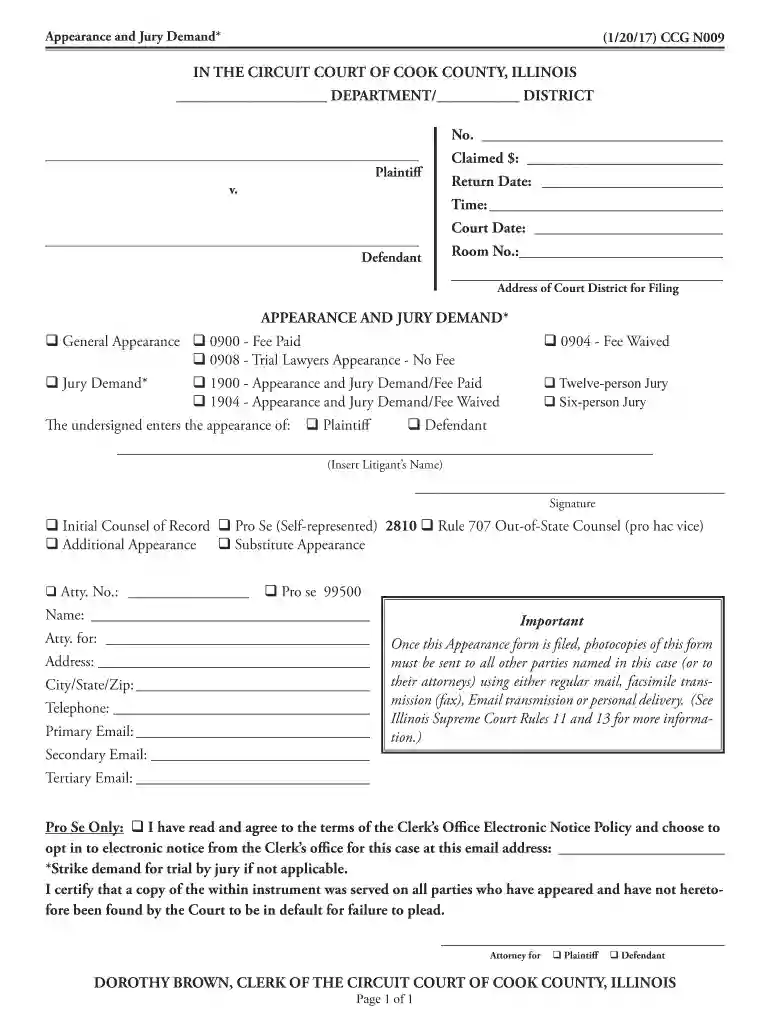
Claimed $ typically refers to a monetary amount that an individual or business has reported or declared in various contexts, most commonly within financial or legal documentation. In the realm of taxation, the term often pertains to deductions or credits a taxpayer is eligible to claim to reduce their taxable income. The significance of the amount claimed varies by its application, whether in tax filings, legal disputes, insurance claims, or other financial statements. Understanding this concept becomes essential, as the claimed amount can directly impact financial outcomes such as tax liabilities or settlement amounts in legal cases.
The Claimed $ form, frequently found in tax-related documents, serves as a pivotal tool for reporting monetary claims. When utilizing this form, the first step involves identifying eligible deductions or credits. Taxpayers should meticulously document expenses or contributions that align with IRS conditions for claims. These may include education expenses, mortgage interest, medical expenses, or charitable contributions. Once identified, accurately fill in the Claimed $ form sections with relevant figures and supporting details. Ensuring accuracy in this step is crucial for preventing inaccuracies that could lead to audits or penalties.
Obtaining the Claimed $ form may necessitate different approaches based on its application. For tax purposes, the form can often be downloaded directly from the IRS website. Individuals may also access it through tax preparation software like TurboTax or QuickBooks, which provide integral filing tools. In some instances, especially for state-specific forms, visiting the respective state’s tax authority website can be beneficial. Businesses involved might acquire necessary documentation from accounts payable and receivable ledgers, ensuring all financial claims are thoroughly documented and permissible under tax laws.
Gather Documentation: Before completing the Claimed $ form, collect all receipts, statements, and official documentation supporting your claims.
Enter Personal Information: Fill out your basic information such as name, Social Security number, and filing status on the form.
Identify Eligible Claims: Research eligibility criteria to ensure each claimed amount adheres to IRS guidelines. This step might involve additional forms or schedules if applicable.
Calculate Total Claimed Amount: Totals should reflect combined eligible deductions or credits.
Detail Each Claim: Provide specific information about each claim, including dates, amounts, and purpose, to enhance clarity and compliance.
Review and Sign: Thoroughly review all entered information for accuracy. Sign and date the form where required.
Claiming $ is a fundamental component of optimizing financial outcomes, particularly in tax scenarios. By reporting valid deductions or credits, taxpayers can significantly reduce taxable income, ultimately lowering tax liabilities. Beyond taxation, claimed amounts may play crucial roles in legal disputes over damages, compensatory claims, or insurance recoveries. For individuals and businesses alike, judiciously claimed amounts can lead not only to immediate financial benefits but also to strengthened financial positions through strategic planning.
The Claimed $ form extends beyond taxation into legal settings where claimants need to substantiate financial losses or damages. Legally, using this form involves providing documented proof of financial impact, drawing on official records, receipts, and statements to validate claims. The process often calls for collaboration with legal or financial counsel to ensure that claimed amounts adhere not only to legal standards but to procedural and documentation requirements as well.
By understanding and applying the Claimed $ accurately, individuals and businesses can safeguard against legal and financial complications while optimizing their fiscal obligations and benefits.
We've got more versions of the Claimed $: form. Select the right Claimed $: version from the list and start editing it straight away!
At DocHub, your data security is our priority. We follow HIPAA, SOC2, GDPR, and other standards, so you can work on your documents with confidence.
Texas has returned more than $5 billion in unclaimed property to its rightful owners. Search to find yours!
(1). the claimed invention was patented, described in a printed publication, or in public use, on sale, or otherwise available to the public before the


