





Definition and Purpose of the Non-Custodial Parent's Form
The Non-Custodial Parent's Form for the 2018-19 academic year is a vital document utilized by Princeton University as part of the financial aid application process. Its primary function is to gather comprehensive financial information from non-custodial parents to assess their ability to contribute to their child's college expenses. This form plays a crucial role in providing financial support insights, which impacts the student's eligibility for need-based aid.
- Form Sections: It includes sections on personal and household information, income, expenses, and assets.
- Certification: The form requires a certification statement to ensure the veracity of filled-out information.
How to Use the Non-Custodial Parent's Form
Using the Non-Custodial Parent's Form requires a meticulous approach to ensure all information is accurate and complete, aiding in a smooth financial aid application process.
- Gather Necessary Information: Collect all relevant financial documents that detail income, household expenses, and assets.
- Carefully Complete Each Section: Input accurate data in each of the form's sections, ensuring no required fields are missed.
- Certification Statement: Double-check the information before signing the certification statement.
- Tip: Keep copies of all submitted documents for personal records.
Steps to Complete the Non-Custodial Parent's Form
Filling out this extensive form can be simplified by following these well-defined steps:
- Download the Form: Obtain the form via Princeton University's financial aid office or their official website.
- Review Instructions: Thoroughly read any accompanying instructions or guidelines provided.
- Complete Personal Details: Fill in all the requested personal and household information at the beginning of the form.
- Input Financial Data: Provide detailed income, expenses, and asset information. Ensure accuracy to avoid delays.
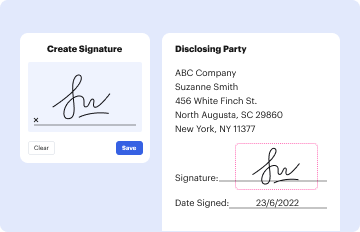
- Sign the Certification: Confirm all details are correct and sign the certification statement.
- Submit the Form: Follow specific submission guidelines, whether it's online, by mail, or in person.
Required Documents for the Non-Custodial Parent's Form
Several critical documents need to be prepared and submitted along with the form:
- Tax Returns: Copies of recent tax returns are often required to verify financial information.
- Pay Stubs: Recent pay stubs may need to be attached as proof of current income.
- Financial Statements: Bank and investment account statements may also be necessary to illustrate asset holdings.
Importance of the Non-Custodial Parent's Form
Understanding the importance of this form helps in appreciating its role in the financial aid process:
- Determines Aid Eligibility: The information provided is used to assess the non-custodial parent's financial contribution capability, impacting the type and amount of aid the student receives.
- Ensures Fair Assessment: By supplying a comprehensive financial picture, Princeton University can ensure equitable distribution of financial aid among eligible students.
Eligibility Criteria for the Non-Custodial Parent's Form
Eligibility to complete this form is determined by several factors:
- Relationship to the Student: Must be a non-custodial parent of a student applying for financial aid.
- Financial Responsibility: Parents expected to contribute towards the student's educational expenses.
- Institutional Requirements: As mandated by the particular instructions from Princeton University or similar institutions.


Key Elements of the Non-Custodial Parent's Form
Critical elements of the form include:
- Personal and Household Information: Covers demographic details and family structure.
- Income and Expenses: Requires disclosure of all income sources and regular expenditures.
- Asset Declaration: Details of financial assets, including savings, investments, and property.
Penalties for Non-Compliance
Failure to complete the Non-Custodial Parent's Form may result in serious consequences:
- Loss of Financial Aid Eligibility: Incomplete or non-submission can lead to denial of financial aid.
- Potential Fines: Some institutions might impose fines for misrepresentation or falsification of information.
Form Submission Methods: Online, Mail, or In-Person
Various submission methods accommodate different user preferences:
- Online Submission: Offers speed and convenience when submitting digital forms.
- Mail: For those who prefer or require physical submission.
- In-Person: Allows direct interaction, which may be beneficial for additional queries.
Each submission method should adhere to specific guidelines to ensure the form is received and processed efficiently.