




01. Edit your form online
Type text, add images, blackout confidential details, add comments, highlights and more.

Type text, add images, blackout confidential details, add comments, highlights and more.

Draw your signature, type it, upload its image, or use your mobile device as a signature pad.

Send it via email, link, or fax. You can also download it, export it or print it out.
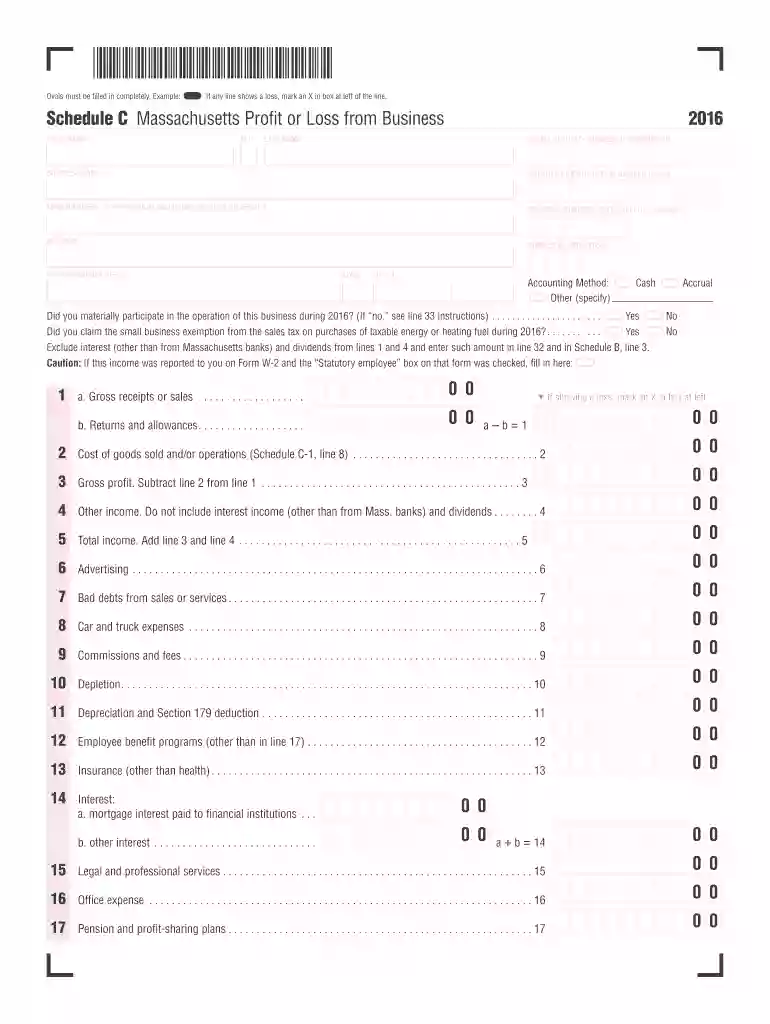
Material participation refers to an individual's active engagement in a business during the year 2016. It is vital for determining specific tax implications and whether an individual's business activities can be classified under non-passive income, affecting eligibility for certain deductions and credits. The IRS defines material participation through several quantitative and qualitative tests, which vary based on time spent and the nature of involvement in the business operations.
Track Your Hours:
Review Involvement Levels:
Document Management Decisions:
Understanding material participation is crucial because it impacts your tax filings and financial responsibility:
Material participation is often a concern for business owners, self-employed individuals, and stakeholders in small businesses:
The Internal Revenue Service (IRS) has established tests to verify if you materially participated in 2016:
Properly documenting material participation ensures compliance with tax laws:
The form related to documenting your participation typically involves a Schedule C for reporting profit and loss from business activities. Here's how you use it:
This comprehensive guide provides clarity on understanding and documenting material participation in a business for the year 2016, ensuring compliance with tax laws and benefiting from any available deductions and credits.
We've got more versions of the Did you materially participate in the operation of this business during 2016 form. Select the right Did you materially participate in the operation of this business during 2016 version from the list and start editing it straight away!
| Versions | Form popularity | Fillable & printable |
|---|---|---|
| 2025 | 4.5 Satisfied (38 Votes) | |
| 2024 | 4.1 Satisfied (24 Votes) | |
| 2023 | 4.3 Satisfied (39 Votes) | |
| 2022 | 4.9 Satisfied (28 Votes) | |
| 2021 | 4.8 Satisfied (37 Votes) | |
| 2020 | 4.3 Satisfied (124 Votes) | |
| 2019 | 4.2 Satisfied (62 Votes) | |
| 2018 | 4.4 Satisfied (157 Votes) | |
| 2017 | 4.3 Satisfied (106 Votes) | |
| 2016 | 4.4 Satisfied (214 Votes) | |
| 2004 | 4.6 Satisfied (56 Votes) |
At DocHub, your data security is our priority. We follow HIPAA, SOC2, GDPR, and other standards, so you can work on your documents with confidence.
Jan 19, 2017 This publication discusses common business expenses and explains what is and is not de ductible. The general rules for deducting busi.
Material participation requires a producer to be involved in the operation of a trade or business activity on a regular, continuous, and substantial basis,
Oct 25, 2016 For purposes of the passive activity rules, you materially participated in the operation of this trade or business activi- ty during 2016 if


