





Understanding "These Withdrawal Forms"
Withdrawal forms, particularly those for financial services such as KiwiSaver, are designed to facilitate the secure and efficient withdrawal of funds. They serve as a structured means to declare one's intent to withdraw money while ensuring compliance with financial regulations.
Key Features:
- Purpose: To legally document and authorize the withdrawal of funds.
- Structure: Typically includes sections for personal details, financial status, and withdrawal justifications.
- Usage: Users fill these forms as part of a formal request process.
How to Use These Withdrawal Forms
Understanding how to correctly fill out withdrawal forms is pivotal to ensuring a seamless processing experience.
General Instructions:
- Personal Information: Start by accurately entering personal details, such as name, address, and identification number.
- Financial Details: Provide comprehensive financial statements. Include income sources, expenses, and any supporting financial information.
- Reason for Withdrawal: Clearly state the reason for withdrawal, especially if it's based on hardship criteria.
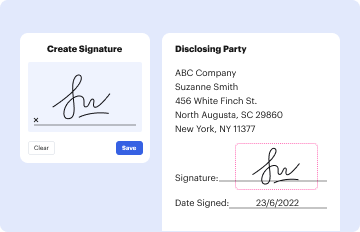
- Signature: Once the form is completed, ensure that all necessary parties have signed it.
Tips:
- Cross-Verification: Double-check details to prevent delays caused by inaccurate information.
- E-Signatures: Utilize secure electronic signatures to expedite processing if the form allows.
Steps to Complete Withdrawal Forms
Here’s a step-by-step guide to completing your withdrawal forms efficiently:
- Preparation: Gather all necessary documents and information beforehand.
- Form Access: Obtain the form from the official source, ensuring it’s the correct version.
- Fill Out Details: Enter all required information carefully, ensuring each section is completed.
- Attach Documents: Compile and attach required documentation, such as proof of identity and financial statements.
- Review: Thoroughly review the form for accuracy.
- Submit: Use the designated method, whether it’s emailing, mailing, or submitting in person, to send in the form.
Legal Use of Withdrawal Forms
Proper use of withdrawal forms is not only critical for smooth transactions but also ensures compliance with applicable laws.
Legal Considerations:
- Data Privacy: Information provided should be safeguarded under data protection laws.
- Accuracy and Honesty: False information can lead to legal repercussions.
Important Terms Related to Withdrawal Forms
Familiarizing yourself with specific terms associated with withdrawal forms can help in understanding requirements and processes.
Glossary:
- Financial Hardship: Criteria meeting specific conditions allowing individuals to access funds that are typically locked or preserved for future use.
- Authentication: Verification of the identity of the person submitting the form.
Examples of Using Withdrawal Forms
Withdrawal forms are commonly utilized in various scenarios which can include:
Case Scenarios:
- Financial Emergency: Individuals facing a financial crisis may use these forms to access retirement savings.
- Transitioning Jobs: When changing jobs, employees might need to transfer pension funds.
Document Submission Methods
Ensuring that forms are submitted correctly is essential for prompt processing.
Methods:
- Email: Securely email the completed form with all attachments.
- In-Person: Visit the issuing office for direct submission.
Considerations:
- Confirmation: Always request a confirmation of receipt when submitting via email.
Eligibility Criteria for Withdrawal Forms
Understand the basic eligibility requirements to ensure that your situation qualifies for the intended withdrawal.


Common Criteria:
- Age Requirements: For certain funds, eligibility may depend on age.
- Financial Need: Specific documentation might be required to prove financial hardship.
Penalties for Non-Compliance
Awareness of potential penalties for non-compliance can encourage accurate and timely submissions.
Possible Penalties:
- Fees: Late submissions could incur financial penalties.
- Legal Action: Providing inaccurate information might lead to legal consequences.




