



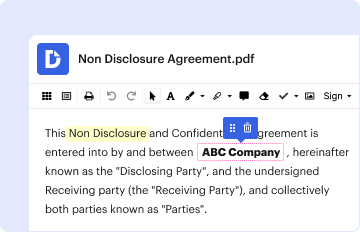
01. Edit your form online
Type text, add images, blackout confidential details, add comments, highlights and more.

Type text, add images, blackout confidential details, add comments, highlights and more.
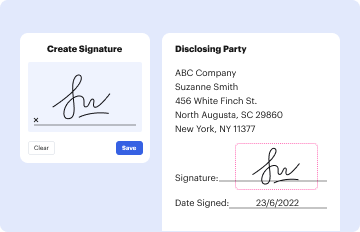
Draw your signature, type it, upload its image, or use your mobile device as a signature pad.
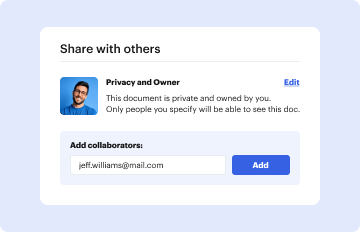
Send it via email, link, or fax. You can also download it, export it or print it out.
Reemployment Assistance for the Unemployed refers to government programs designed to aid individuals who are without work by providing temporary financial assistance and resources to help them secure employment. In the U.S., this assistance often includes unemployment insurance benefits, which replace a portion of lost wages. Additionally, it encompasses services like job search support, career counseling, and training programs that facilitate the transition back to the workforce. The aim is to help individuals maintain financial stability while actively seeking new employment opportunities.
To effectively utilize Reemployment Assistance, individuals should first apply for unemployment benefits through their state’s unemployment office. This process typically involves completing an online application, providing employment history, and verifying identity and eligibility. Once approved, recipients must consistently certify their status as unemployed or underemployed, demonstrate their job search efforts, and attend any required job counseling sessions. Utilization also involves engaging with available job training or upskilling programs that can increase employment prospects. Actively leveraging job portal resources and participating in state-offered workshops can further enhance the chances of finding suitable employment.
Application Submission: Start by visiting your state's unemployment website to complete the initial application. Include personal information, past employment details, and reasons for job separation.
Eligibility Verification: Await confirmation from the unemployment office regarding eligibility. This involves reviewing past earnings and employment history.
Weekly Certification: After approval, file weekly claims to verify continued eligibility. Report any income received and detail job search activities.
Job Search Requirements: Fulfill any mandatory criteria like job counseling attendance, participating in state-approved job search programs, and adhering to the state-specified number of job applications per week.
Continual Engagement: Attend workshops, training sessions, and job fairs organized by the unemployment office, which can provide valuable networking opportunities and skill enhancement.
Eligibility for Reemployment Assistance typically depends on several factors, which might vary by state. Here are the common criteria:


Applying for Reemployment Assistance starts with accessing the online platform provided by the state's employment agency. Applicants should follow these steps:
Each state in the U.S. administers their unemployment insurance program with variations in eligibility, benefits, and process. For example:
To apply for Reemployment Assistance, specific documentation is required:
Understanding key terms associated with Reemployment Assistance is crucial:
We've got more versions of the Reemployment Assistance for the Unemployed form. Select the right Reemployment Assistance for the Unemployed version from the list and start editing it straight away!
At DocHub, your data security is our priority. We follow HIPAA, SOC2, GDPR, and other standards, so you can work on your documents with confidence.
by M Vodopivec 2008 Cited by 57 The workers received an allowance to meet minimum basic living standards, which were set in 1998 to be slightly higher than the local standards for unemployment
Mar 28, 2025 Unemployment insurance pays you money if you lose your job through no fault of your own. Learn how to apply and where to find eligibility rules.
The President may provide reemployment assistance services under other laws to individuals who are unemployed as a result of a major disaster and who reside in


