Attorney occupational tax ct 2026

Get Form
ct attorney occupational tax Preview on Page 1

Here's how it works

01. Edit your ct attorney occupational tax online
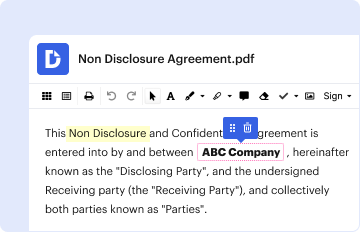
Type text, add images, blackout confidential details, add comments, highlights and more.

02. Sign it in a few clicks
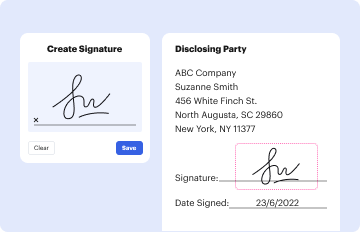
Draw your signature, type it, upload its image, or use your mobile device as a signature pad.

03. Share your form with others
Send attorney occupational tax ct via email, link, or fax. You can also download it, export it or print it out.

Definition & Meaning

The Attorney Occupational Tax in Connecticut refers to a mandatory annual tax that must be paid by attorneys practicing in the state. It was established to ensure that legal professionals contribute to state revenue, aligning with the practice of law as a licensed privilege. This tax is applicable specifically to those attorneys who are officially listed on the roll of attorneys maintained by the state's judicial authority.

Key Components

  • Mandatory Contribution: Part of state-imposed fiscal responsibilities for practicing attorneys.
  • Annual Requirement: To be filed once every year, ensuring compliance with Connecticut state regulations.
  • Applicability: Targets only those attorneys actively engaged in legal practice within the state.

How to Obtain the Attorney Occupational Tax Form

To obtain the Attorney Occupational Tax form (commonly Form 472) in Connecticut, attorneys have several options. This form can be accessed online from the Connecticut Department of Revenue Services website, streamlining the process for legal professionals.

Steps to Access the Form

  1. Visit the Official Website: Begin by navigating to the Connecticut Department of Revenue Services portal.
  2. Locate Forms Section: Find the tax forms section for easy retrieval of Form 472.
  3. Download the Form: You may download the form directly to your computer for completion.
  4. Request by Mail: Alternatively, the form can be requested by mail if you prefer a physical copy.

Steps to Complete the Attorney Occupational Tax Form

Completing the Attorney Occupational Tax form involves several critical steps. Aim for accuracy and thoroughness to avoid delays and penalties.

Detailed Completion Process

  1. Personal Information: Fill out all personal and professional information accurately, including your name and attorney identification number.
  2. Exemptions: Identify any applicable exemptions related to your circumstances.
  3. Tax Computation: Carefully compute the tax owed based on your income and applicable rates.
  4. Submission Options: Choose between electronic or postal submission to finalize your filing.

Filing Deadlines / Important Dates

Understanding the filing deadlines for the Attorney Occupational Tax in Connecticut is crucial for timely compliance.

Key Dates to Remember

  • January 15th Deadline: The form and payment must be submitted by January 15 each year. Missing this date results in penalties.
  • Penalty Dates: Be aware of the accrual of penalties if filed past this due date, incentivizing timely action.

Legal Use of the Attorney Occupational Tax Form

The legal application of the Attorney Occupational Tax form is targeted at ensuring compliance with Connecticut's taxation laws for attorneys.

Compliance Importance

  • Legal Obligation: Filing this tax is not just a fiscal obligation but a legal requirement for practicing attorneys.
  • Record Maintenance: Maintains proper records of compliance crucial for professional accountability.

Penalties for Non-Compliance

Failure to comply with this tax obligation can result in significant repercussions.

Consequences of Missing Deadlines

  • Financial Penalties: Delays in filing lead to financial penalties, adding stress and potential legal implications.
  • Impact on Practice: Continued non-compliance may affect your standing with the state’s legal body, impacting your professional credibility.

Required Documents

Being prepared with all necessary documentation is essential for a smooth filing process.

Essential Documents Checklist

  • Identification: Proof of your registration as a licensed attorney in Connecticut.
  • Previous Tax Filings: Have past tax returns readily available to ensure consistent and accurate reporting.
  • Exemption Certificates: Prepare any applicable exemption documents if claiming exemptions.

State-Specific Rules for Attorney Occupational Tax

The state of Connecticut imposes specific rules regarding the Attorney Occupational Tax that attorneys must follow to stay compliant.

Specific Regulations

  • In-State Practice: The tax applies exclusively to attorneys who practice within the state or are otherwise listed in the Connecticut roll.
  • Exemption Clauses: Understand specific statuary exemptions that might apply, such as those for retired attorneys or those in public service within the state.

Examples of Using the Attorney Occupational Tax Form

Real-world scenarios can illustrate the nuanced application of the Attorney Occupational Tax form.

Practical Application Instances

  • New Attorneys: For initial filings, new attorneys must ensure they understand both the filing and payment processes.
  • Mid-Career Professionals: Those with established practices may need to address changes in income or registration status annually.

Why You Should File the Attorney Occupational Tax Form

Ensuring prompt and accurate filing of the Attorney Occupational Tax form is crucial for continuous professional practice.

Importance of Filing

  • Professional Standing: Filing maintains your good standing as a licensed attorney in the state.
  • Avoidance of Penalties: Correct filing circumvents unnecessary penalties and potential legal challenges.
  • State Contribution: It emphasizes your role in contributing to state facilities and regulatory frameworks.

Who Typically Uses the Attorney Occupational Tax Form

The primary users of this form are licensed attorneys actively practicing within Connecticut.

decoration image ratings of Dochub

Target Audience

  • Practicing Attorneys: Those engaged in active legal practice must file this form annually.
  • Legal Entities: Employers of legal professionals, like law firms, may also need to ensure that employed attorneys comply with these requirements.

See more attorney occupational tax ct versions

We've got more versions of the attorney occupational tax ct form. Select the right attorney occupational tax ct version from the list and start editing it straight away!
Versions Form popularity Fillable & printable
2022 4.6 Satisfied (53 Votes)
2021 4.8 Satisfied (45 Votes)
2010 4 Satisfied (29 Votes)
2007 4 Satisfied (32 Votes)
be ready to get more

Complete this form in 5 minutes or less

Get form

Got questions?

We have answers to the most popular questions from our customers. If you can't find an answer to your question, please contact us.
Contact us
The attorney occupational tax is $565 per calendar year. If you were admitted as an attorney and engaged in the practice of law in Connecticut but not for the entire calendar year, the tax due is $565. No proration of the tax is authorized.
noun. oc​cu​pa​tion tax. ˌ-kyə-ˈpā-shən- : an excise imposed on persons for the privilege of carrying on a trade, business, or occupation.
You have unique tax responsibilities depending on whether youre a solo attorney or have a small firm. For example, if youre a solo attorney: You must file your law firm taxes using a Schedule C on your individual tax return. You must pay estimated taxes throughout the year.
1:51 2:46 The authority to impose an occupation. Tax comes from the states. Police power to regulate itsMoreThe authority to impose an occupation. Tax comes from the states. Police power to regulate its citizens. The tax is levied for the privilege of practicing a trade profession or running a business.
The Occupation Tax is authorized by the Local Tax enabling Act, and is levied on all residents 18 years of age and older. It is based on a persons job title, NOT INCOME.

Security and compliance

At DocHub, your data security is our priority. We follow HIPAA, SOC2, GDPR, and other standards, so you can work on your documents with confidence.

Learn more
ccpa2
pci-dss
gdpr-compliance
hipaa
soc-compliance

People also ask

Initially included in the American Rescue Plan Act of 2021, the lower 1099-K threshold was meant to close tax gaps by flagging more digital income. It required platforms to report any user earning $600 or more, regardless of how many transactions they had.
Enter whichever term best reflects your current occupation. Terms such as Student, Laborer, Self-Employed, Homemaker, Unemployed, and Retired are fully acceptable. The contents of the Occupation field do not affect your tax-return calculations in any way.
A Connecticut tax power of attorney (LGL-001) designates an agent to represent a taxpayer in dealings with the Department of Revenue Services. The agent, usually a trusted accountant or tax advisor, can receive tax returns and tax return information and perform a specific range of tasks on the taxpayers behalf.

Related links