Definition and Purpose
The "dhss alaska dpapagesMedicaid - Alaska Department of Health and Social Services" form is a critical document used for applying to various public assistance programs offered by the State of Alaska. Primarily, it serves individuals and families seeking support through Medicaid and other social services such as the Supplemental Nutrition Assistance Program (SNAP) and Temporary Assistance for Needy Families (TANF). The form collects necessary information to determine eligibility and to manage assistance programs efficiently.
Key Elements Included
- Personal and household details: Name, address, and family composition
- Financial information: Income sources, assets, and expenses
- Program-specific sections: Tailored questions for Medicaid, SNAP, and TANF benefits
- Rights and responsibilities: Understanding of obligations and terms of the assistance
- Penalties for misinformation: Legal consequences of providing false information
How to Obtain the Form
Accessing the "dhss alaska dpapagesMedicaid" form is straightforward. It is available through multiple channels to ensure accessibility for all applicants.
Methods of Acquisition
- Online: Downloadable from the Alaska Department of Health and Social Services website
- In-Person: Available at local public assistance offices across Alaska
- Mail: Request a paper copy by contacting the department's customer support
Additional Resources
- Guides for completing the form are available on the department's website
- Assistance from staff at public assistance offices for in-person help
Steps to Complete the Form
Completing the form accurately is crucial to receiving assistance efficiently. Applicants should follow a structured approach to ensure all required information is correctly provided.
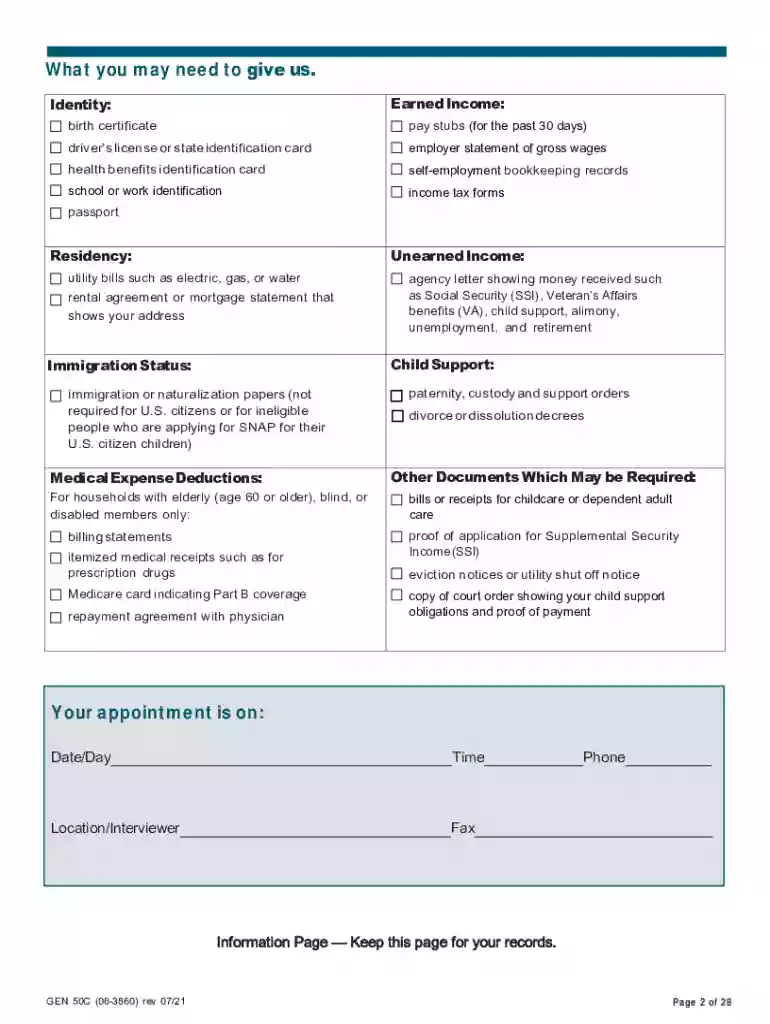
- Gather Necessary Documents: Collect identification, financial statements, and residency proof.
- Complete Personal Information Section: Provide names, addresses, and contact numbers.
- Financial Disclosure: Detail all income sources, savings, and expenses.
- Program-Specific Information: Answer all questions pertaining to desired assistance programs.
- Review and Sign: Double-check all entries for accuracy and sign where required.
Common Mistakes to Avoid
- Omitting mandatory fields
- Providing inaccurate financial information
- Forgetting to sign the form
Legal Use and Compliance
Understanding the legal requirements is essential to correctly using the form.
Compliance Aspects
- The form must be filled with accurate and truthful information to avoid legal consequences.
- Applicants must submit supporting documents as requested to verify eligibility.
- Misrepresentation can result in penalties, including fines or disqualification from receiving benefits.
Importance of Truthful Disclosure
Failure to provide accurate information can lead to ineligibility and potential legal action. It is important to update any changes in circumstances promptly to the department.
Eligibility Criteria
Eligibility for services through this form depends on several factors, which are assessed during the application process.

Factors Considered
- Income Level: Evaluated against federal poverty guidelines
- Residency: Must be a resident of Alaska
- Family Composition: Size and dependents play a role in benefits determination
- Specific Program Requirements: Each program has unique criteria
Exceptions and Considerations
- Temporary adjustments may apply during economic downturns or pandemics
- Special circumstances may necessitate additional documentation
Who Typically Uses the Form
The form caters to various demographics within Alaska. Understanding user scenarios helps contextualize the form's application.

Typical Users
- Low-income families seeking healthcare and nutrition assistance
- Individuals with disabilities requiring medical support
- Elderly residents needing supplementary income or healthcare resources
- New applicants and current beneficiaries needing to renew services
Required Documents
Submitting the correct documentation is crucial to the application process.
Document Checklist
- Proof of identity: Valid government-issued ID
- Proof of residency: Utility bills or lease agreements
- Income verification: Recent pay stubs or tax returns
- Asset documentation: Bank statements or property records
Challenges and Solutions
- Difficulty obtaining certain records: Departments may offer waivers or additional guidance
- Comprehensive submission increases likelihood of approval without delays
Application Process and Approval Time
Understanding the timeline and steps involved in the application process helps manage expectations.
Steps in the Process
- Submission of the completed form along with all required documents
- Initial review by department staff for completeness and eligibility
- Notification of approval, denial, or request for additional information
Typical Waiting Period
- Processing times can vary but typically range from a few weeks to a couple of months depending on the volume of applications and the complexity of individual cases.
- Applicants are encouraged to apply well in advance of need to ensure coverage is timely.