






Definition & Meaning of the LICENSURE APPLICATION for In-Home Care Provider
The "Licensure Application for In-Home Care Provider" is a formal document required for individuals or entities seeking official approval to operate as in-home care providers. In-home care providers deliver critical health and personal care services directly in the residences of patients, typically the elderly or disabled, who need assistance with daily activities. The application process ensures that providers meet essential legal, safety, and professional standards to deliver these services in a home setting, protecting the welfare of clients and maintaining industry integrity.
Eligibility Criteria
To be eligible for the licensure, applicants must meet specific criteria established by regulatory bodies. Prospective providers are generally required to have a background in healthcare or similar fields and may need proof of relevant certifications or qualifications. Additionally, applicants must undergo background checks to ensure there are no criminal records that could compromise patient safety. In some states, further requirements may include demonstrating a business plan, understanding state-specific regulations, and evidence of financial stability to ensure sustained operation and quality care delivery.


How to Obtain the LICENSURE APPLICATION for In-Home Care Provider
Obtaining the application begins with identifying the appropriate state regulatory agency overseeing in-home care licenses. This agency often provides an online portal or physical locations where applications can be requested. Some states offer downloadable forms on their websites, which can be submitted via mail or in person. It is essential to ensure that the application form is the most recent version, as regulatory requirements may change. Clarifying these details with the issuing agency will prevent processing delays or rejections.
Steps to Complete the LICENSURE APPLICATION for In-Home Care Provider
- Gather Required Documents: Compile all necessary supporting documents, including proof of qualifications, background checks, and financial statements.
- Fill Out Personal Information: Provide detailed personal and business information, ensuring accuracy in every section.
- Detail Service Offerings: Specify the types of in-home care services to be provided, including any specialized care such as dementia support or skilled nursing services.
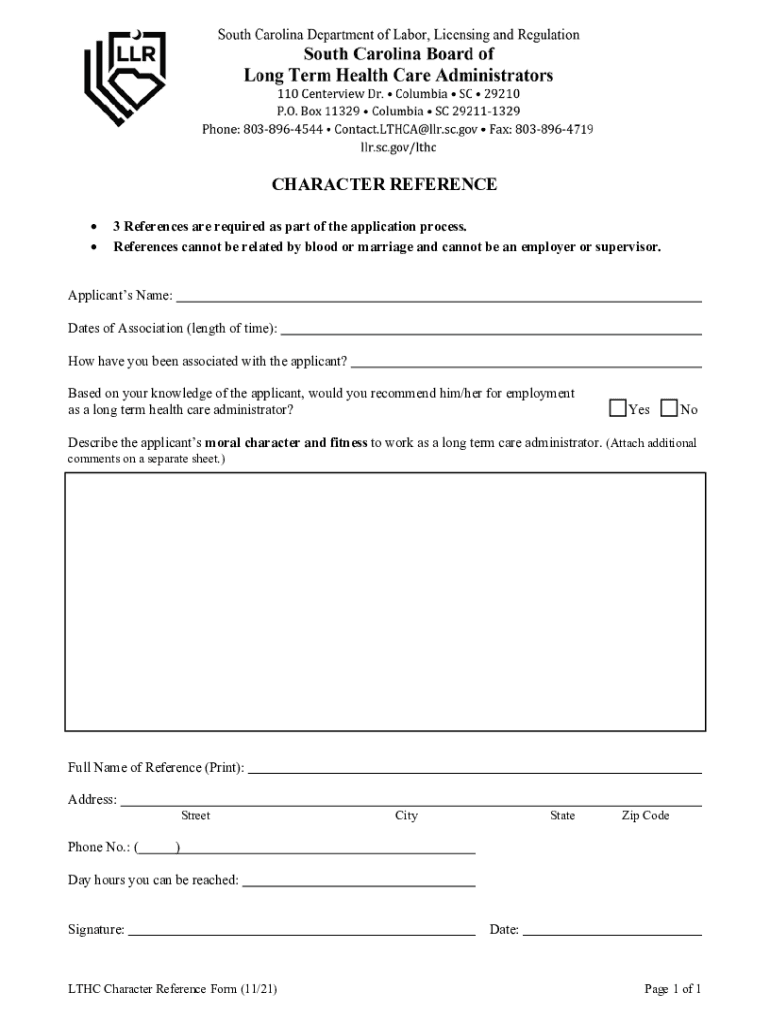
- Submit Supplemental Materials: Include any additional documentation required by state-specific regulations, such as character references or business licenses.
- Review and Proofread: Check for any errors or omissions before submission to avoid processing delays.
- Submit the Application: Follow the state’s submission guidelines, choosing online, mail, or in-person delivery as appropriate.
Key Elements of the LICENSURE APPLICATION for In-Home Care Provider
Each application includes several key elements that applicants must address. These elements typically consist of:
- Professional Qualifications: Documentation of education and professional credentials relevant to in-home care services.
- Business Information: Details about the business entity, including ownership structure and operational plans.
- Compliance with State Regulations: Evidence of adherence to state-specific healthcare and safety regulations.
- Quality Assurance Plans: Information about procedures in place to ensure quality care, including staff training and client feedback mechanisms.
State-Specific Rules for the LICENSURE APPLICATION for In-Home Care Provider
State-specific regulations play a crucial role in the licensure process. Each state may impose unique requirements concerning training hours, care standards, and operational protocols. For instance, states like California have stringent caregiver background check requirements, while others might focus heavily on compliance with elder care laws. Prospective providers must familiarize themselves with these rules to ensure successful application submission.
Required Documents
Applicants must submit a variety of documents to complete the application process. These typically include:
- Professional licenses or certifications
- Financial statements or proof of financial capability
- Legal documents such as business registration forms
- Completed background checks for all staff members
- Insurance proof, including liability and workers’ compensation coverage
Form Submission Methods
The application can be submitted via several methods depending on the state’s regulations and applicant preference:
- Online Submission: Some states offer an online portal for the electronic filing of applications, which can expedite processing.
- Mail Submission: Traditional mail submission remains a standard option, requiring all documents to be physically mailed to the regulatory agency.
- In-Person Submission: Some applicants may choose to submit their applications in person to ensure immediate confirmation of receipt.
Application Process & Approval Time
After submission, the regulatory body reviews the application for completeness and compliance with state guidelines. The approval process typically includes multiple stages, such as initial review, interview procedures, and on-site inspections of proposed service facilities. The entire process duration can vary but generally takes between 30 to 90 days. Applicants are notified of their application status through mail or electronic communication, including details of any deficiencies that need correction.
By detailing these aspects, applicants are well-prepared to navigate the complexities of becoming licensed in-home care providers and ensuring they meet all necessary requirements and regulations.