



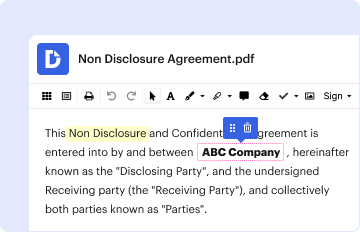
01. Edit your form online
Type text, add images, blackout confidential details, add comments, highlights and more.

Type text, add images, blackout confidential details, add comments, highlights and more.
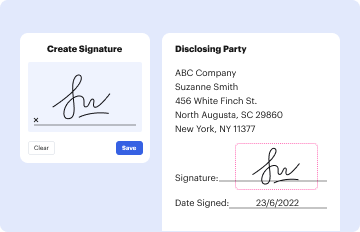
Draw your signature, type it, upload its image, or use your mobile device as a signature pad.

Send it via email, link, or fax. You can also download it, export it or print it out.
Form 990-T is a tax document used by tax-exempt organizations to report unrelated business income to the Internal Revenue Service (IRS). This income generally encompasses activities not directly related to the primary purpose of the organization. Understanding Form 990-T is crucial for ensuring compliance and avoiding penalties. Typically, this form is required when gross income from unrelated business activities exceeds $1,000. Organizations such as churches, charities, and other non-profit entities often need to complete this form to declare taxable income derived from activities such as advertising or facility rentals. The form was made fillable in 2014, meaning users could directly input data electronically, improving ease of use and accuracy.
Using the fillable version of Form 990-T from 2014 involves several steps. You begin by downloading and opening the fillable PDF in a compatible PDF editing software like Adobe Reader or via web-based platforms like DocHub. This format allows you to enter text directly into the relevant fields. Ensure all required fields are filled out, such as the organization's name, employer identification number (EIN), and income details. In addition to the standard fields, you can use the interactive functions to enter precise financial data, perform calculations, and ensure each part of the form is completed correctly. Once filled, the form can be saved, printed, or directly submitted if electronic filing is allowed.
Understanding the terminology associated with Form 990-T is essential for correct form completion:
Form 990-T must be filed by the 15th day of the 5th month after the end of the organization’s accounting period. For example, if your fiscal year ends on December 31, the form is due by May 15 of the following year. Organizations failing to meet these deadlines may face penalties, underscoring the importance of timely submission.
The IRS provides specific guidelines on filing Form 990-T, including instructions on calculating unrelated business taxable income, applying deductions, and claiming credits. Organizations should also stay informed about changes in the IRS's approach to unrelated business income, as these may affect reporting requirements. Compliance with IRS guidelines ensures legal adherence and minimizes the risk of audits or penalties.
Failing to file Form 990-T or inaccurately reporting information can lead to significant penalties. These can include late filing fees, interest on unpaid taxes, and potential loss of the organization’s tax-exempt status. In severe cases, failure to comply with IRS regulations may lead to the revocation of tax-exempt status, making it crucial for organizations to fulfill filing obligations accurately.
When preparing to file Form 990-T, ensure you have the following documents:
By gathering these documents in advance, organizations can streamline the form completion process, reducing errors and ensuring all necessary information is accurately reported.
We've got more versions of the Form 990 t fillable 2014 form. Select the right Form 990 t fillable 2014 version from the list and start editing it straight away!
| Versions | Form popularity | Fillable & printable |
|---|---|---|
| 2024 | 4.1 Satisfied (29 Votes) | |
| 2023 | 4.5 Satisfied (22 Votes) | |
| 2022 | 4.7 Satisfied (59 Votes) | |
| 2021 | 4.8 Satisfied (91 Votes) | |
| 2020 | 4.4 Satisfied (113 Votes) | |
| 2019 | 4.3 Satisfied (105 Votes) | |
| 2018 | 4.2 Satisfied (31 Votes) | |
| 2017 | 4.3 Satisfied (75 Votes) | |
| 2016 | 4.3 Satisfied (122 Votes) | |
| 2015 | 4.4 Satisfied (200 Votes) | |
| 2014 | 4.3 Satisfied (61 Votes) | |
| 2011 | 4.4 Satisfied (37 Votes) | |
| 2011 | 4.1 Satisfied (30 Votes) |
At DocHub, your data security is our priority. We follow HIPAA, SOC2, GDPR, and other standards, so you can work on your documents with confidence.
Thank you for purchasing the digitalYEWFLO series vortex flowmeter. To ensure please read this manual thoroughly and fully understand how to operate the
For the 2014 calendar year, Form of organization: Corporation Trust Association Other L . If gross receipts are $200,000 or more, organization filed a Form 990
file IRS Form 990-T to report taxable income from unrelated trade or business activities. Form 990-T is subject to public access and disclosure requirements.


