







Definition & Meaning
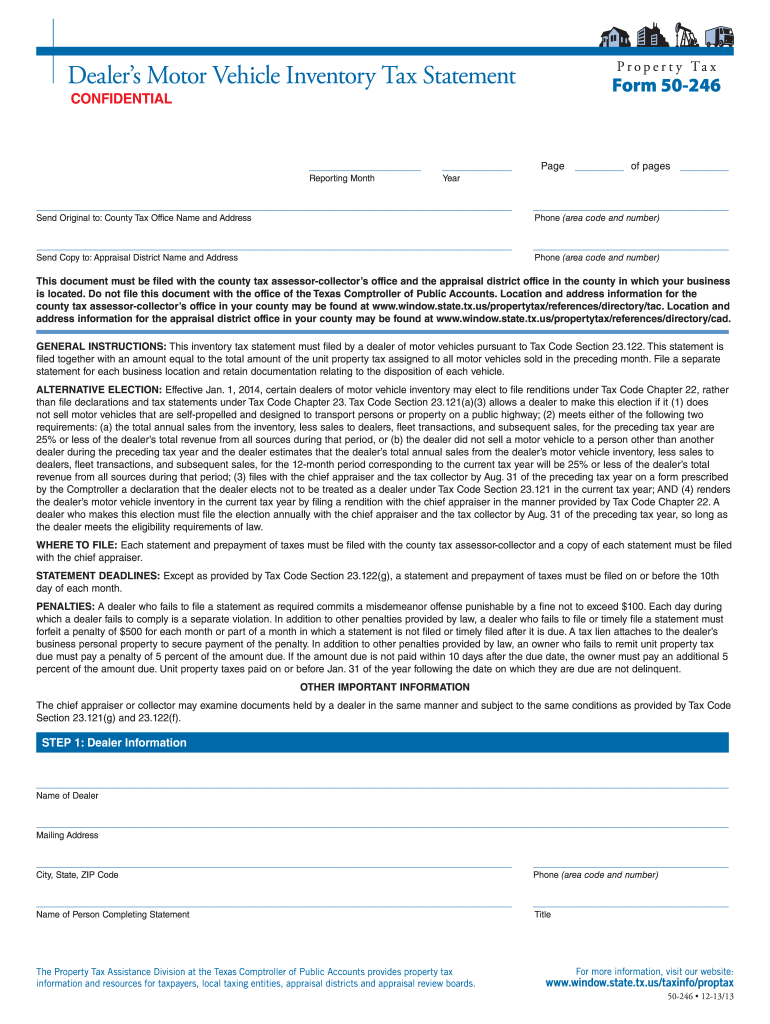
The "manufactured housing 2013 form" refers to a specific documentation requirement associated with manufactured homes. These homes, often known as mobile homes, require specialized forms for tasks such as transfers of ownership, registration, or taxation purposes. The term "manufactured housing" typically denotes structures that are built in a factory setting and transported to their permanent location. This form is crucial in ensuring compliance with housing regulations and capturing pertinent information about the home and its owners.
How to Use the Manufactured Housing 2013 Form
Using the manufactured housing 2013 form involves several steps. It's commonly used for transactions like selling or purchasing a manufactured home. To use the form effectively:
- Identify the Purpose: Determine the reason for your use of the form, whether it's for sale, transfer, registration, or taxation.
- Complete Necessary Fields: Fill in personal information, home details, and transaction data as required.
- Attach Supporting Documents: Include necessary documents such as proof of ownership, insurance certificates, or sales agreements.
- Submit for Approval: Depending on the legal requirements, submit the form to the appropriate local or state authorities for processing or approval.
How to Obtain the Manufactured Housing 2013 Form
Acquiring the manufactured housing 2013 form can be done through various channels:
- Government Websites: Check state or local government websites where housing forms are often available for download.
- Local Housing Authorities: Visit a local housing authority office to obtain a physical copy of the form.
- Real Estate Professionals: Contact real estate agents or professionals who specialize in manufactured housing; they often have access to the necessary forms.
Steps to Complete the Manufactured Housing 2013 Form
Filling out the manufactured housing 2013 form requires accuracy and attention to detail:
- Review the Form: Start by thoroughly reading all instructions provided with the form.
- Gather Information: Collect all necessary information about the manufactured home and parties involved in the transaction.
- Fill in the Form: Enter details into designated sections, ensuring that all mandatory fields are completed.
- Verify Information: Check all entries for accuracy and ensure that all information is up-to-date.
- Sign and Date: Complete the form with required signatures and dates before submission.
Key Elements of the Manufactured Housing 2013 Form
Understanding the key elements included in the manufactured housing 2013 form is essential:
- Owner and Buyer Details: Information about the current owner and the buyer, if applicable, including addresses and contact information.
- Property Description: Specific details about the manufactured home, such as model, make, year, and serial number.
- Transaction Information: Outline of the sale or transfer details, including price, payment terms, and any applicable taxes.
- Legal Declarations: Statements affirming the legality of the transaction and compliance with state regulations.
State-Specific Rules for the Manufactured Housing 2013 Form
Each state may impose different requirements and rules regarding manufactured housing documentation. Common distinctions include:
- Registration Deadlines: Varying deadlines for form submission and registration.
- Tax Regulations: Differences in how manufactured homes are taxed.
- Additional Documentation: Some states require supplementary documents for zoning compliance or environmental regulations.
Who Typically Uses the Manufactured Housing 2013 Form
Several groups commonly engage with the manufactured housing 2013 form:
- Manufactured Home Owners: To facilitate transfers of ownership or for tax purposes.
- Buyers: Individuals or businesses purchasing a manufactured home.
- Real Estate Agents: Professionals managing transactions involving manufactured homes.
- Local Authorities: To maintain accurate records and ensure compliance with housing standards.


Legal Use of the Manufactured Housing 2013 Form
The legal implications and uses of the manufactured housing 2013 form are diverse. This form helps ensure that all transactions involving manufactured housing are legal and above-board. It serves as an official record of the details of a transaction, helps enforce tax compliance, and protects both buyers and sellers by clarifying rights and obligations. Legal professionals often use the form in disputes or as evidence of ownership and compliance with local housing regulations.




