
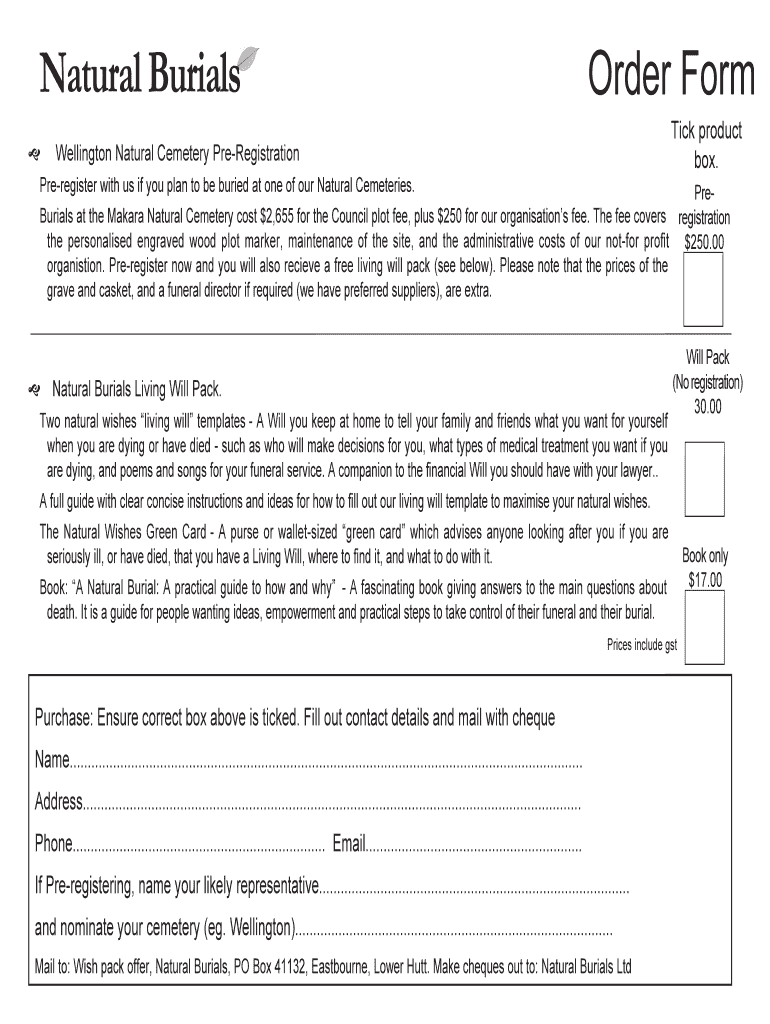







Definition and Purpose of the Order Form
An order form is a structured document used by businesses and individuals to detail the specifics of a purchase agreement. The primary function of an order form is to formalize a transaction, clearly laying out the items being purchased, the quantities, and the agreed-upon prices. This document serves as a key communication tool between buyers and sellers, ensuring both parties are aligned on the terms of the purchase. Typically, an order form will include sections for the date of the transaction, vendor and customer contact information, and payment terms. The order form acts like a contract between the parties, providing a reference point that can be used to resolve any disputes or misunderstandings later.
How to Use the Order Form
To effectively use an order form, it’s essential to understand the necessary steps for completion and submission. Begin by filling out the customer information, ensuring accuracy in name, contact details, and billing addresses. Next, itemize each product or service being ordered, including necessary details like item number, description, quantity, and individual price. Once these details are added, automatically calculate the total cost to prevent manual errors. Some order forms may also include sections for taxes, shipping, and discounts. Once the form is complete, review it for accuracy and send it to the vendor for processing, typically through email or direct submission on a website.
Steps to Complete the Order Form
Completing an order form requires attention to detail and adherence to specific steps. Begin with verifying all customer information, including billing and shipping details, to ensure there are no errors that could delay the order. The next step involves listing all the items being purchased; this should include product codes if available, to avoid confusion. Calculate the total price per line item and add these to reflect the subtotal of the order. Include any applicable tax rates, shipping costs, or discounts at this stage. Finally, the total amount due should be prominently displayed at the bottom of the form. Before submitting, ensure all terms and conditions are understood, as they may affect the order’s fulfillment.
Key Elements of the Order Form
An effective order form contains several critical elements that ensure clarity and precision in transactions. These generally include:
- Vendor Information: Contact details for the seller, including company name, address, and telephone number.
- Customer Information: Sections for buyer details such as name, contact information, and shipping address.
- Item Details: Specifics about each item being ordered, including descriptions, quantities, unit prices, and applicable discounts.
- Payment Terms: Outline the method of payment, payment period, and any penalties for late payments.
- Total Costs: A summary of all costs involved including taxes, shipping charges, and any applicable discounts for easy reference.
Ensuring these elements are clearly presented can help mitigate misunderstandings and streamline the purchasing process.
Legal Use of the Order Form
Order forms are legally significant and enforceable documents when used to outline the agreement between a buyer and a seller. In the United States, an order form acts as a written record of the transaction details and can be legally binding if both parties have agreed. This means that the terms set forth in the order form must be adhered to, and the payment for goods or services is expected upon delivery as specified. Certain elements such as agreed delivery schedules, item specifics, and payment conditions might be subject to compliance with trade laws and regulations which vary based on state law and industry practice. Legal advisors often recommend keeping signed copies of order forms to provide documentation in cases where fulfillment disputes arise.
Software Compatibility for Digital Order Forms
In today's digital age, many businesses utilize software solutions to manage order forms more efficiently. Platforms like DocHub seamlessly integrate with productivity tools like Google Workspace, enabling users to edit, sign, and send documents online. Compatibility with these tools allows users to import order forms directly from cloud storage or email, simplifying the tracking and management process. Additionally, businesses may find value in leveraging accounting software, such as QuickBooks or TurboTax, to automate the data entry and reporting of online transactions. These systems can reduce manual errors, streamline order processing, and provide real-time updates to all stakeholders involved.
Examples of Using the Order Form in Different Scenarios
Order forms are versatile documents employed in a variety of commercial contexts. For instance, a retail business might use order forms for inventory restocking, detailing quantities, and specific vendor details. In contrast, a service provider might use them to itemize service deliverables and associated charges for a client project. Companies also often use order forms for internal requisitions, such as requesting office supplies or equipment. Each of these scenarios requires tailoring the order form to clearly reflect the unique components of the transaction involved. Understanding the specific context and necessary components of the order form ensures smoother processes and better resource management.
Creating Digital vs. Paper Order Forms
The choice between digital and paper order forms depends on various factors such as convenience, speed, and environmental considerations. Digital order forms are advantageous for their ease of use, accessibility, and efficient data management. Platforms like DocHub allow users to create, edit, and share digital order forms effortlessly, thereby reducing paperwork and improving ecological sustainability. On the other hand, paper order forms may be preferred by businesses where technology infrastructure is limited or where face-to-face transactions are standard. Whichever method is chosen, the key is to ensure the order form is easy to understand, accurately filled, and promptly processed to maintain operational efficiency.




