Emergency Action Plan EAP - EEAP 2026

Get Form
Emergency Action Plan EAP - EEAP Preview on Page 1

Here's how it works

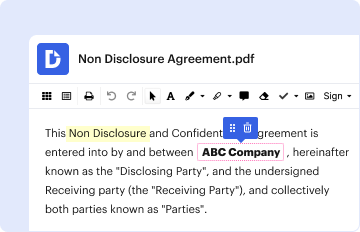
01. Edit your form online
Type text, add images, blackout confidential details, add comments, highlights and more.

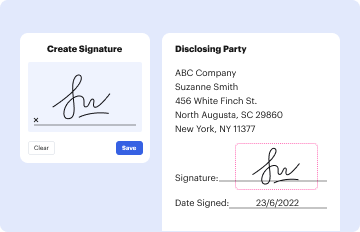
02. Sign it in a few clicks
Draw your signature, type it, upload its image, or use your mobile device as a signature pad.

03. Share your form with others
Send it via email, link, or fax. You can also download it, export it or print it out.

Definition and Meaning

The "Emergency Action Plan EAP - EEAP" is a vital document designed to ensure safety during emergencies. It outlines detailed procedures, roles, and responsibilities to follow during an emergency. The plan's primary focus is to prevent injuries and minimize damage in situations like fires, natural disasters, or medical emergencies. A well-crafted EAP includes guidelines for evacuation, communication procedures, and emergency contacts, ensuring that everyone in the workplace knows exactly what to do when an emergency strikes.

Components of the EAP

  • Evacuation Procedures: Provides step-by-step instructions on safely exiting the premises.
  • Designated Roles: Assigns specific responsibilities to individuals during an emergency.
  • Communication Plan: Specifies how to communicate with employees, emergency services, and external stakeholders.
  • Emergency Contacts: Lists crucial contacts such as local emergency services, hospitals, and key personnel.

How to Use the Emergency Action Plan EAP - EEAP

The effective use of the Emergency Action Plan involves understanding its components and knowing when and how to activate it. Organizations should conduct regular training sessions to familiarize employees with the EAP. In the event of an emergency, employees need to follow the outlined procedures carefully to ensure their safety and the safety of others.

Training and Drills

  • Regular Drills: Conducting frequent emergency drills to simulate real-life scenarios.
  • Role Playing: Assigning roles during exercises to practice responsibilities.
  • Feedback Sessions: Evaluating drill performance to identify areas for improvement.

Steps to Complete the Emergency Action Plan EAP - EEAP

Filling out the Emergency Action Plan involves several key steps to ensure it's comprehensive and tailored to your organization. Each step requires careful planning and consultation with relevant stakeholders.

  1. Assess Risks: Identify potential hazards specific to your workplace.
  2. Develop Procedures: Outline detailed emergency response procedures.
  3. Assign Roles: Determine and assign roles to individuals based on their expertise.
  4. Gather Resources: Ensure availability of necessary equipment and contacts.
  5. Review and Revise: Regularly update the plan to incorporate feedback and address new risks.

Key Elements of the Emergency Action Plan EAP - EEAP

A robust EAP includes several fundamental elements. These elements ensure clarity, preparedness, and effective response during emergencies.

Detailed Emergency Procedures

  • Evacuation Routes: Clearly marked and accessible escape routes.
  • Assembly Points: Designated safe areas for gathering post-evacuation.

Assigned Responsibilities

  • Emergency Coordinators: Individuals responsible for overseeing the emergency response.
  • Floor Wardens: Employees responsible for specific areas within the building.

State-Specific Rules for the Emergency Action Plan EAP - EEAP

State-specific regulations may influence the structure and content of an Emergency Action Plan. Organizations need to ensure their EAP complies with local laws and regulations, which can vary significantly.

State Regulations

  • OSHA Guidelines: Federal Occupational Safety and Health Administration standards serve as a baseline.
  • Local Mandates: State or city-specific requirements that may differ from federal standards.

Legal Use of the Emergency Action Plan EAP - EEAP

Understanding the legal implications of the Emergency Action Plan is essential. Compliance with laws is not only crucial for safety but also to prevent potential legal liabilities.

Compliance Obligations

  • OSHA Requirements: Ensuring the EAP meets all OSHA regulations for emergency preparedness.
  • Documentation: Keeping records of all training, drills, and updates to the EAP.

Examples of Using the Emergency Action Plan EAP - EEAP

Real-world examples highlight the application of an effective EAP and its critical role in safeguarding life and property during emergencies.

Case Studies

  • Fire Evacuation: Successful implementation of the EAP during an office fire, leading to swift evacuation and no casualties.
  • Natural Disaster Response: Effective communication and response during a hurricane, aided by the EAP’s clear instructions.

Important Terms Related to Emergency Action Plan EAP - EEAP

Familiarizing with terminology related to the Emergency Action Plan enhances understanding and clarity. Terms such as "Muster Point," "Incident Commander," and "Shelter-in-Place" are integral within the context of emergency planning.

Glossary

  • Muster Point: The gathering location where employees meet post-evacuation.
  • Incident Commander: The individual who leads the emergency response.
  • Shelter-in-Place: Instructions for staying indoors during certain emergencies.
be ready to get more

Complete this form in 5 minutes or less

Get form

Got questions?

We have answers to the most popular questions from our customers. If you can't find an answer to your question, please contact us.
Contact us
Emergency response procedures. Evacuation, shelter, and accountability procedures. Location and use of common emergency equipment. Emergency shutdown procedures.
Prevention, mitigation, preparedness, response and recovery are the five steps of Emergency Management.
In this blog well be sharing the 4 Rs which represent the 4 stages of emergency preparedness, Risk, Readiness, Response, and Recovery.
Although many different terminologies exist globally, the activities of emergency management can be generally categorized into preparedness, response, mitigation, and recovery from an event, although other terms such as disaster risk reduction and prevention are also common.
Emergency Preparedness and Planning operations are categorized into four phases. These include the prevention or mitigation of an emergency, preparation for an emergency to occur, response during an emergency and recovery after an emergency takes place.

Security and compliance

At DocHub, your data security is our priority. We follow HIPAA, SOC2, GDPR, and other standards, so you can work on your documents with confidence.

Learn more
ccpa2
pci-dss
gdpr-compliance
hipaa
soc-compliance