




01. Edit your form online
Type text, add images, blackout confidential details, add comments, highlights and more.

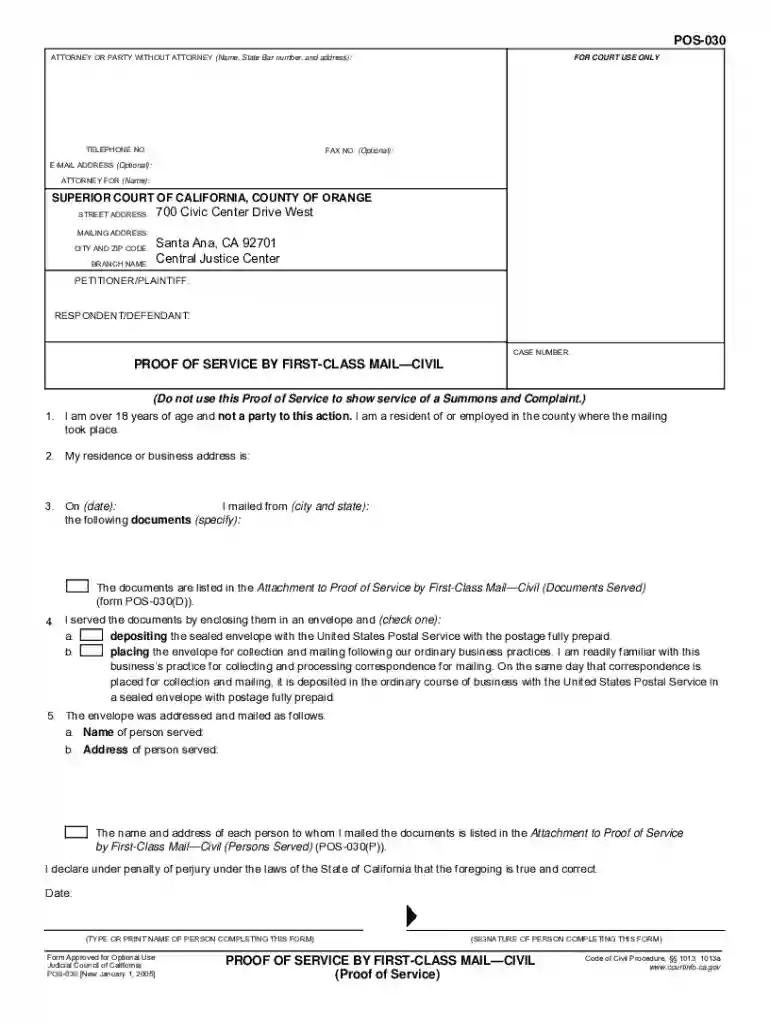
Type text, add images, blackout confidential details, add comments, highlights and more.

Draw your signature, type it, upload its image, or use your mobile device as a signature pad.

Send it via email, link, or fax. You can also download it, export it or print it out.
The "Answering an Unlawful Detainer Case Self-Help Form" is a legal document set provided by the Superior Court of California. It is designed to assist individuals—primarily tenants—who need to respond to an unlawful detainer lawsuit, which is a legal procedure used by landlords to evict tenants. This form guides tenants in preparing their defense against eviction, articulating their case to the court, and outlining any claims or defenses they may have against the allegations of the landlord. Essential to this process is understanding tenant rights and the requirements for responding within the legal timeline provided.
To effectively utilize the Answering an Unlawful Detainer Case Self-Help Form, follow these guidelines:
Read Through Thoroughly: Begin by reading the entire form packet and accompanying instructions. It is vital to understand what each section requires and how your situation aligns with the form's purposes.
Gather Information: Collect all necessary details, including your lease agreement, payment records, and any communication with the landlord concerning the eviction.
Complete Each Section: Carefully fill out each section of the form with accurate and up-to-date information. This includes personal details, details of the eviction case, and any defenses or affirmative defenses you intend to assert.
Review and Double-check: Ensure there are no errors or omissions by reviewing your completed form. Consider consulting legal aid or an attorney for advice or to confirm that your response is complete.
File the Form: File the completed form with the court within the designated response period—typically five to fifteen days from receipt of the summons, depending on state-specific rules.
Streamlining the completion of the Answering an Unlawful Detainer Case Self-Help Form involves several steps:
Identify the Court: Note the court where the case is filed, using this information to determine filing deadlines and procedures.
Complete Personal Information: This includes your full name, address, contact information, and case number.
Identify Case Type: Specify whether the case concerns nonpayment of rent, lease violation, or another reason for eviction.
Present Defenses: Clearly articulate any defenses you have, such as payment disputes or retaliatory eviction claims.
Attach Evidence: Include relevant documents such as receipts, lease agreements, and correspondence supporting your defenses.
Sign and Date: Ensure the form is signed and dated before filing.
File with Appropriate Court: Submit the form to the appropriate court before the filing deadline, securing a copy for your records.
The Answering an Unlawful Detainer Case Self-Help Form comprises several components critical to an effective response:
Respondent Information: Essential identifying details of the tenant responding to the eviction.
Case Information: Pertinent details about the eviction case, including the case number and filing dates.
Defense Details: Space to list defenses against the eviction, which could include breach of contract by the landlord or uninhabitable living conditions.
Supporting Documents: Guidance on essential documents to accompany the form, such as receipts and correspondence.
Filing Instructions: Steps for filing the response with the court, including any fees involved and deadlines.
Unlawful detainer cases are governed by state laws that may vary significantly. In California, for example, tenants may have specific rights under local rent control or eviction protection laws.
Filing Deadlines: California usually requires a response within five days if personally served, or fifteen days if served by mail.
Substantive Defenses: California allows tenants to argue defenses such as retaliation by the landlord, discrimination, or a breach of the warranty of habitability.
Special Protections: Certain locales may offer additional tenant protections that should be considered when completing the form.
Using the Answering an Unlawful Detainer Case Self-Help Form is a legal right afforded to tenants under civil procedure. Its completion is pivotal in providing a structured opportunity to present a defense in a formal judicial setting:
Documenting Defenses: The form allows tenants to formally present their side, potentially preventing an automatic ruling in favor of the landlord.
Court Record: Filing the form ensures the tenant's perspective becomes part of the official court record.
Procedural Rights: Using the form signifies the tenant's intent to fight the eviction, preserving their right to a court hearing.
Primarily used by tenants facing eviction proceedings, this form serves specific demographics:
Tenants in Financial Dispute: Individuals contesting eviction due to nonpayment or disputes over rent amounts.
Leaseholders with Defenses: Tenants who believe eviction is retaliatory, discriminatory, or otherwise unlawful.
Legal Aid Clients: Often guided by legal aid attorneys, low-income tenants make significant use of these forms in securing their housing rights.


Understanding terminology associated with the unlawful detainer process is crucial:
Plaintiff: The party (landlord) who initiates the lawsuit.
Defendant: The tenant responding to the eviction lawsuit.
Summons and Complaint: Legal documents that inform the tenant of the eviction case and require a response.
Affirmative Defense: A defense whereby the tenant introduces evidence that, if true, negates liability, even if the landlord’s claim is accurate.
The Answering an Unlawful Detainer Case Self-Help Form is issued by the Superior Court of California and is intended to help tenants self-represent in unlawful detainer cases. The forms are frequently available online through court websites or in physical form at courthouse facilities.
Fulfilling the requirements of these structured guidelines ensures tenants facing eviction proceedings are informed, prepared, and adequately supported by using this essential self-help resource.
We've got more versions of the ANSWERING AN UNLAWFUL DETAINER CASE SELF-HELP FORM form. Select the right ANSWERING AN UNLAWFUL DETAINER CASE SELF-HELP FORM version from the list and start editing it straight away!
At DocHub, your data security is our priority. We follow HIPAA, SOC2, GDPR, and other standards, so you can work on your documents with confidence.
While the law specifically authorizes these damages to be awarded in response to self-help eviction, a tenant in such a case is not limited to actual damages.Read more
Aug 21, 2020 This report was prepared under contract to the Department of Defense Strategic Environmental Research and Development Program (SERDP).
The main form you need is Answer Unlawful DetainerEviction (form UD-105) ↗️. Its important to read the instructions below before you fill it out. CourtRead more


