




01. Edit your shc ud 04 online
Type text, add images, blackout confidential details, add comments, highlights and more.

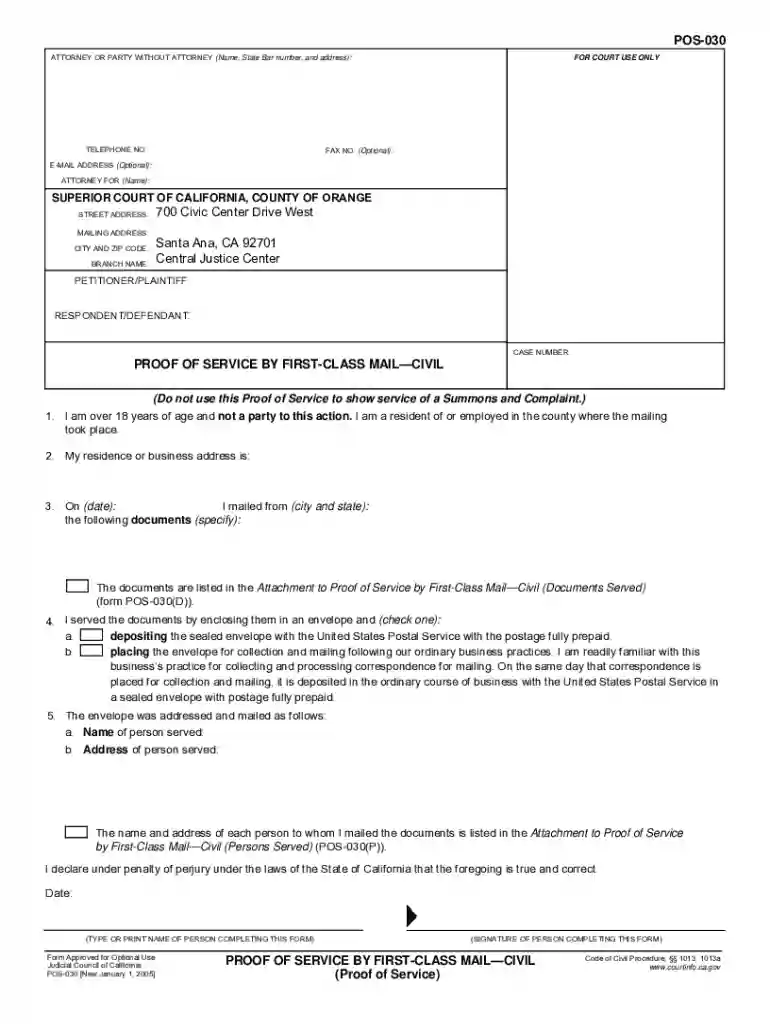
Type text, add images, blackout confidential details, add comments, highlights and more.

Draw your signature, type it, upload its image, or use your mobile device as a signature pad.

Send it via email, link, or fax. You can also download it, export it or print it out.
Unlawful Detainer Local Forms from the Superior Court of California are legal documents used in eviction proceedings. They are typically utilized in cases where a landlord seeks to evict a tenant who remains on the property without legal right after the end of a lease term or due to lease violations. The forms guide both landlords and tenants through the legal requirements for initiating or responding to an eviction lawsuit. They play a crucial role in the legal process of reclaiming property while ensuring compliance with state and local laws.
Using Unlawful Detainer Local Forms involves several steps. The process begins when a landlord serves a tenant with a notice, such as a three-day notice to pay rent or quit. If the tenant fails to comply, the landlord can then file a complaint with the court using these forms. Tenants, on the other hand, can use the forms to respond to the complaint, raising defenses or disputing the landlord's claims. Proper completion and timely submission of these forms are essential to successfully navigating the eviction process.
Obtain the Right Forms: Visit the Superior Court of California's website or local court to download the required forms for your case.
Fill Out the Complaint Form: For landlords, complete the complaint form with details about the lease, the notice served, and the rent owed.
Serve the Tenant: Ensure that the tenant receives a copy of the complaint and summons, following legal service requirements.
File with the Court: Submit the completed forms to the court, paying any associated fees, to officially initiate the case.
Tenant’s Response: Tenants should carefully fill their response forms, noting any defenses they wish to present, and file these within the court-stipulated period.
Attend Hearings: Both parties need to attend scheduled court hearings to present their case and provide evidence.
Plaintiff and Defendant Information: Includes names and contact details of the landlord (plaintiff) and tenant (defendant).
Property Details: The address of the rental property in question.
Lease Information: Details of the lease agreement, such as duration and terms.
Grounds for Eviction: Specifies the reason for eviction, such as non-payment of rent or violation of lease terms.
Legal Notices: Copies of notices served to the tenant before filing the complaint.
Summons: A legal document notifying the tenant of the eviction lawsuit and their duty to respond.
Notice to Quit: A notice given to the tenant indicating the termination of their tenancy and the need to vacate the premises.
Answer: A formal written response by the tenant, filed with the court, to contest the eviction.
California has specific rules and regulations governing eviction proceedings through unlawful detainer actions. These include strict adherence to proper service of notices, compliance with local rent control laws, and specific timelines for each step of the eviction process. Landlords and tenants must be mindful of county-specific requirements that may affect how forms are submitted and processed.
One example involves a landlord in Los Angeles using the forms to evict a tenant who is six months behind on rent. The landlord starts the process by serving a three-day notice to pay rent or quit. After the tenant does not comply, the landlord files an unlawful detainer complaint using the local forms. In response, the tenant files an answer stating financial hardship due to job loss as a defense. Another scenario could involve a tenant in San Francisco responding to eviction by highlighting non-compliance with local rent stabilization laws, which protect tenants from unjust evictions.
The legal use of these forms involves adhering to all procedural and substantive requirements set forth by the law. Forms must be completed accurately, served appropriately, and filed within specific time frames to ensure that a landlord's case can proceed. Both landlords and tenants have rights and responsibilities under the law, and these forms facilitate the lawful resolution of disputes under the California legal system.
Step-by-step adherence to these timelines is crucial for the proper administration of justice and the avoidance of default judgments or dismissals.
We've got more versions of the shc ud 04 form. Select the right shc ud 04 version from the list and start editing it straight away!
At DocHub, your data security is our priority. We follow HIPAA, SOC2, GDPR, and other standards, so you can work on your documents with confidence.
Find Your Court Forms Rules Court Forms. Find Your Court Pay traffic violations, access jury information, find a local self-help desk, and much more. Local
Unlawful Detainer UD-100 Starts an eviction case and tells the to pay right awayor at alldepending on your income.


