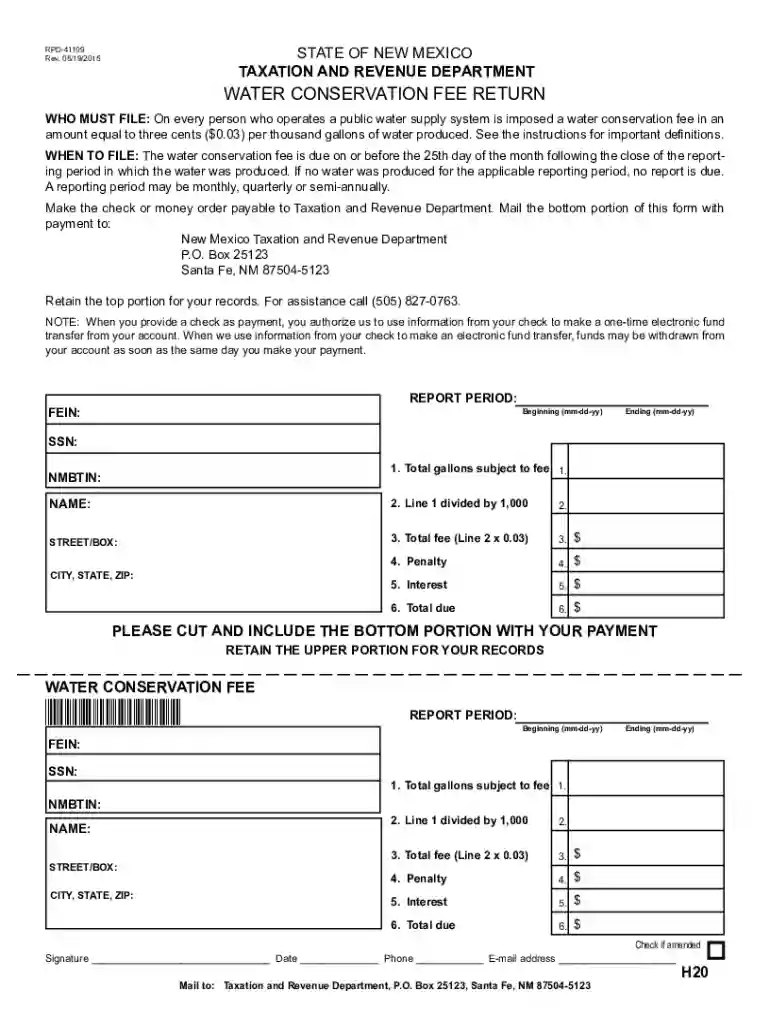
GROSS RECEIPTS TAX RETURN GENERAL INSTRUCTIONS 2026

Get Form
GROSS RECEIPTS TAX RETURN GENERAL INSTRUCTIONS Preview on Page 1

Here's how it works

01. Edit your form online
Type text, add images, blackout confidential details, add comments, highlights and more.

02. Sign it in a few clicks
Draw your signature, type it, upload its image, or use your mobile device as a signature pad.

03. Share your form with others
Send it via email, link, or fax. You can also download it, export it or print it out.

Definition and Meaning

The "Gross Receipts Tax Return General Instructions" provide a comprehensive guide for the filing of gross receipts tax returns. This document outlines the specifics of what constitutes gross receipts, who is liable for the tax, and how the tax is calculated. Gross receipts include the total amount of money received from sales of goods and services, without deductions for costs or expenses. It is critical for businesses to understand these instructions to ensure compliance with tax regulations.

Examples of Gross Receipts

  • Revenue from product sales
  • Fees for services provided
  • Income from leasing property

Importance of Accurate Reporting

Accurate reporting of gross receipts is essential to avoid penalties and ensure correct tax computation. Businesses must include all income sources and maintain detailed records to support their calculations.

Steps to Complete the Gross Receipts Tax Return

The process of completing the Gross Receipts Tax Return requires careful attention to detail. Here are the primary steps involved:

  1. Understand the Tax Period: Identify the specific period for which the tax return is being filed. Ensure all transactions within this period are accounted for.
  2. Gather Necessary Data: Collect all relevant financial documents, including invoices, receipts, and sales records.
  3. Calculate Total Gross Receipts: Sum the total receipts from all applicable sources, ensuring no revenue is unaccounted for.
  4. Determine Deductions and Exemptions: Identify any allowable deductions or exemptions to the taxable amount, such as certain interstate sales or sales to governments.
  5. Complete the Tax Return Form: Fill out each section of the form as per the instructions, ensuring all required fields are completed accurately.
  6. Review for Accuracy: Double-check all entries for errors or omissions and verify that calculations are correct.
  7. Submit the Form: Follow state-specific guidelines for submitting the completed form, whether online, by mail, or in-person.

Who Typically Uses the Gross Receipts Tax Return Instructions

Businesses operating in states that implement a gross receipts tax are the primary users of these instructions. This includes:


  • Retail and wholesale businesses
  • Service providers, such as consultants and auditors
  • Business entities like LLCs, corporations, and partnerships
decoration image ratings of Dochub

Considerations for Different Business Types

  • Retail: Must consider sales tax implications alongside gross receipts calculations.
  • Service Providers: Need to ensure all service fees are included in the gross receipts.
  • LLCs and Corporations: May have different rules for deductions and exemptions depending on state laws.

Key Elements of the Gross Receipts Tax Return Instructions

Understanding the main components of the instructions is crucial for correct filing:

  • State-Specific Regulations: Each state might have its unique rules on what constitutes taxable gross receipts.
  • Deductions and Exemptions: Details on what transactions can be deducted or exempted from gross receipts.
  • Filing Frequency: Depending on the volume of receipts and state regulations, businesses may need to file annually, quarterly, or monthly.
  • Payment Methods: Instructions on how to submit any tax due along with the return.

Filing Deadlines and Important Dates

Filing deadlines for gross receipts tax returns are essential to avoid late fees and penalties. The deadlines depend on the state and business size, typically falling on a specific date each quarter or at the fiscal year-end.

State-Specific Deadlines

  • Quarterly Filings: Commonly due on the last day of the month following the end of the quarter.
  • Annual Filings: Normally due a few months after the fiscal year-end.

Penalties for Non-Compliance

Failing to comply with gross receipts tax return requirements can lead to significant consequences, including:

  • Financial Penalties: Interest and fines on unpaid taxes and late filings can accumulate quickly.
  • Legal Action: Continued non-compliance could result in legal proceedings against the business.

Avoiding Penalties

  • Timely Filing: Ensure understanding of all filing dates and make submissions on time.
  • Accurate Record-Keeping: Maintain detailed and organized financial records to support tax return details.

Legal Use and Compliance

The Gross Receipts Tax Return General Instructions ensure businesses comply with legal tax obligations. Compliance is crucial to maintain good standing with tax authorities and avoid unnecessary legal conflicts.

Documentation to Maintain

  • Sales Records: Detailed logs of all transactions.
  • Receipts and Invoices: Proof of income and expenditures.
  • Form Copies: Retain copies of all submitted tax forms for future reference.

State-Specific Rules and Variations

Each state may have distinct rules regarding gross receipts tax. Businesses must familiarize themselves with their respective state’s requirements to ensure proper compliance.

  • Rate Differences: Tax rates and exemptions can vary significantly by state.
  • Industry-Specific Regulations: Some states might have industry-specific rules impacting how gross receipts are calculated and filed.

Understanding these diverse requirements and nuances ensures businesses remain compliant with local regulations and avoid potential pitfalls in their tax reporting processes.

See more GROSS RECEIPTS TAX RETURN GENERAL INSTRUCTIONS versions

We've got more versions of the GROSS RECEIPTS TAX RETURN GENERAL INSTRUCTIONS form. Select the right GROSS RECEIPTS TAX RETURN GENERAL INSTRUCTIONS version from the list and start editing it straight away!
Versions Form popularity Fillable & printable
2015 4.5 Satisfied (33 Votes)
2010 4.9 Satisfied (47 Votes)
be ready to get more

Complete this form in 5 minutes or less

Get form

Got questions?

We have answers to the most popular questions from our customers. If you can't find an answer to your question, please contact us.
Contact us
To find gross receipts, add up all revenue sources, including sales, services, rent, interest, and other earnings before deductions. Review financial records, invoices, and bank statements for accuracy. Accounting software can automate calculations.
Gross receipts are the total amounts the organization received from all sources during its annual accounting period, without subtracting any costs or expenses.
Gross receipts = Sales taxes + cost of goods + burdened labour + overhead + net profit.
Generally, receipts are considered total income (or in the case of a sole proprietorship, independent contractor, or self-employed individual gross income) plus cost of goods sold, and excludes net capital gains or losses as these terms are defined and reported on IRS tax return forms.

Security and compliance

At DocHub, your data security is our priority. We follow HIPAA, SOC2, GDPR, and other standards, so you can work on your documents with confidence.

Learn more
ccpa2
pci-dss
gdpr-compliance
hipaa
soc-compliance