
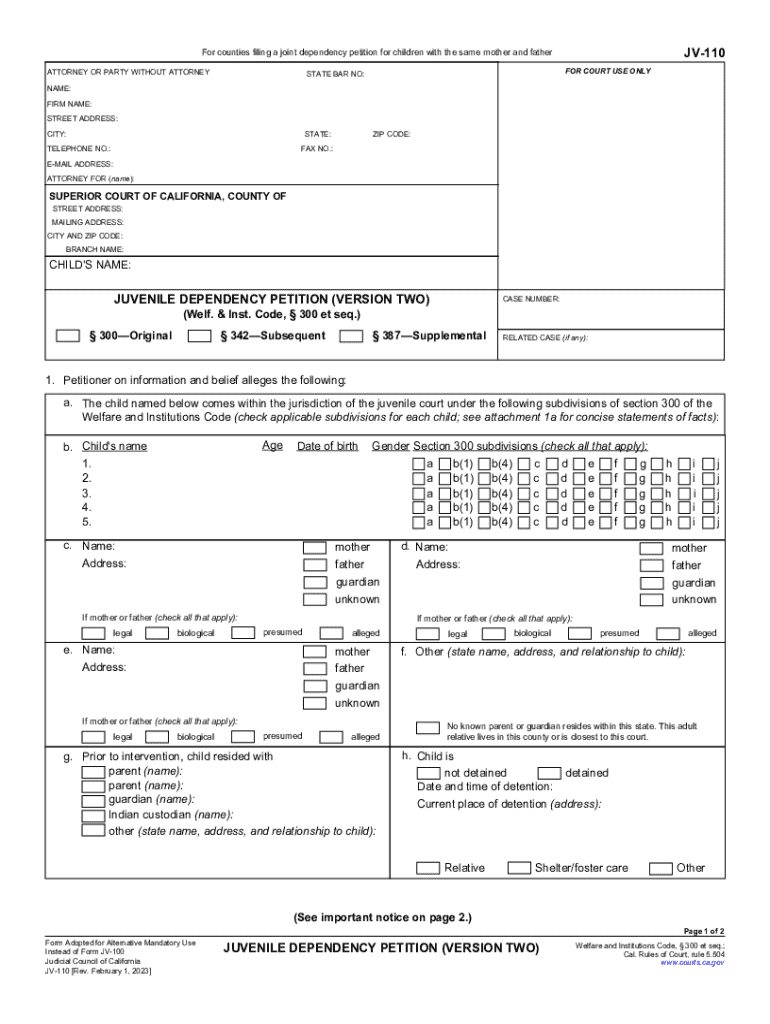







Understanding Dual Representation in CPS Cases
In Child Protective Services (CPS) cases, the question of whether a single attorney can represent both parents often arises. Dual representation can present conflicts of interest, especially if parents have differing goals or disagreements over the best course of action for their child. While it is technically possible in some jurisdictions, it is generally considered complex due to the potential for conflicting interests. Each case requires an analysis of the specific circumstances and the potential ethical implications.
Legal Standards and Ethical Concerns
The American Bar Association emphasizes that attorneys must avoid conflicts of interest. In CPS cases, this can be challenging if one attorney represents both parents. Legal standards vary by state, but generally, an attorney must disclose any potential conflicts and both parents must consent to the joint representation. The attorney must judge whether they can competently represent both parties without compromising their duties or the interests of either parent.
Exceptions and Special Situations
- Consensual Agreement: Both parents must agree to the dual representation, acknowledging any potential risks.
- Non-Conflicting Interests: Dual representation may be feasible if parents align in their goals and strategies concerning their child's welfare.
- Waiver of Conflict: The attorney must ensure that both parents fully understand and voluntarily waive any conflicts.
Obtaining Legal Representation in CPS Cases
Parents involved in CPS cases usually seek legal representation through referrals from friends, community organizations, or legal aid services. Some states provide court-appointed attorneys if parents cannot afford private representation. Courts typically prioritize the child’s welfare, so it's crucial for both parents to have adequate representation.
Key Elements of Representation in CPS Cases
Competence and Advocacy
- Specialized Knowledge: Attorneys should be well-versed in family law and juvenile dependency processes.
- Client Advocacy: Representing parents involves building a defense strategy, negotiating with CPS, and, if necessary, challenging allegations in court.
Confidentiality Issues
- Separate Communications: If one attorney represents both parents, maintaining confidentiality can become a concern, as information shared by one parent might compel disclosure to the other.
Practical Examples of Joint Representation
In some scenarios, parents may have already agreed upon a unified strategy that makes joint representation feasible. For instance, if both parents are seeking the dismissal of a case due to unfounded allegations or are jointly working on meeting CPS requirements for reunification with their child, an attorney might manage dual representation more effectively.
State-Specific Rules and Variations
Each state in the U.S. may have different statutes and case law interpretations regarding dual representation in CPS cases. In some states, such as California, strict ethical guidelines govern attorney conduct, particularly regarding conflicts of interest, which can limit dual representation scenarios.
Notable State Examples
- California: Lawyers must adhere to strict ethical standards, often necessitating separate representation if conflicts could arise.
- Texas: More flexibility may exist, provided that ethical guidelines are meticulously observed.
Professional Guidelines and Alternatives
If dual representation isn't suitable, parents may need separate attorneys to ensure their interests are adequately protected. This can be particularly beneficial in complex cases where differing parental perspectives may impact case outcomes. Attorneys must remain vigilant about ethical considerations and prioritize conflict-free representation.
Important Terms and Their Implications
Conflict of Interest
A significant potential issue involving conflicting duties or interests that may arise when representing multiple clients. Attorneys need to navigate this carefully to avoid compromising their professional obligations.
Informed Consent
Before representing both parents, the attorney must obtain informed consent from each party, ensuring they understand all implications of the joint representation, including potential risks and conflicts.




