
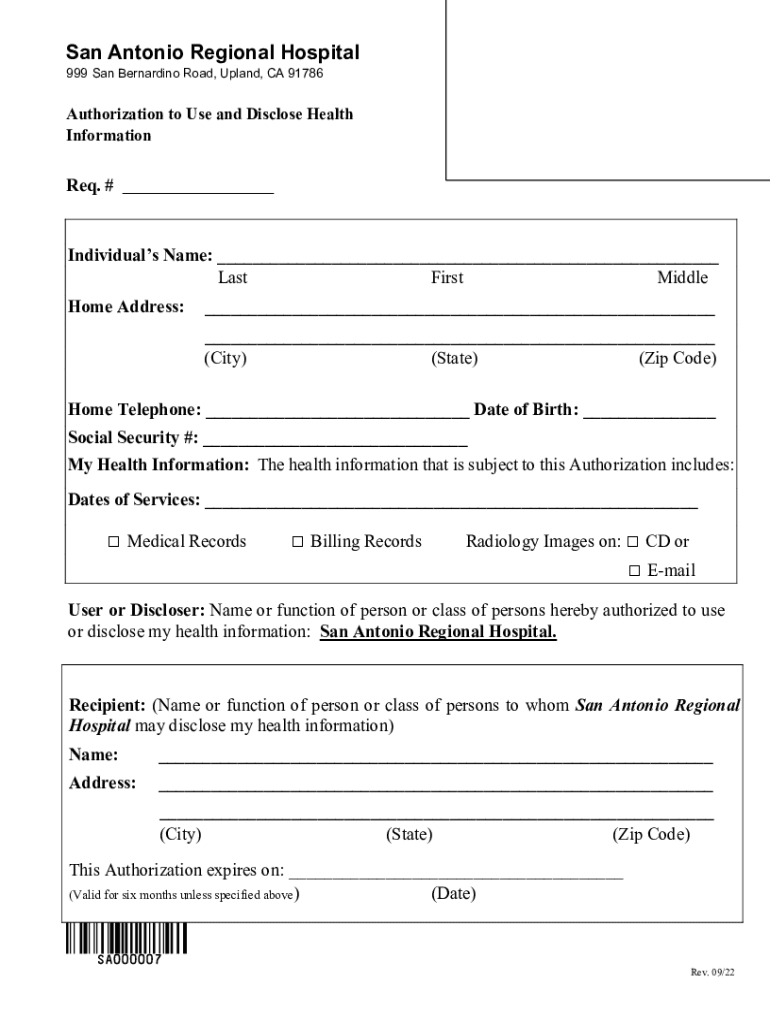







Definition & Meaning
The Employer Details - Labor Market Information - CA form is a crucial document for understanding the employment landscape in California. It serves as a tool for aggregating data about various employers within the state, providing insights into hiring trends, industry demands, and other labor-related statistics. This information aids in comprehending the broader dynamics of California's labor market, making it an essential resource for both employers and job seekers.
The form typically includes comprehensive details about employers, such as their industry sector, number of employees, location, and business size. Collecting these details helps in developing a data-driven approach to employment strategies in California. By using this information, stakeholders can identify industry needs, project future employment trends, and support workforce development initiatives.
Steps to Complete the Employer Details - Labor Market Information - CA
-
Gather Necessary Information: Before starting, ensure you have all the relevant data about your business, including the number of employees, industry classification, and financial statistics. This preparation helps in accurately filling out the form.
-
Access the Form: The form can typically be obtained through the California Employment Development Department (EDD) website, where you can choose between a digital or print version depending on your preference.
-
Fill Out Employer Details: Enter basic information about your company, such as name, address, and contact details. This section establishes the identity of the employer and is foundational to the whole form.
-
Provide Labor Market Information: In this section, detail the number of employees, job titles, and other relevant workforce information. This data is used to assess employment trends in different sectors.
-
Review and Submit: Carefully review all entries to ensure accuracy before submission. Once verified, submit the form using the specified method, whether online, by mail, or in person.
Key Elements of the Employer Details - Labor Market Information - CA
-
Employer Identification: Essential details like business name, address, and Employer Identification Number (EIN) are required. This ensures proper identification and record-keeping for each business.
-
Workforce Composition: A breakdown of the workforce by categories such as full-time and part-time employees, job titles, and demographics. This offers insights into the structure of employment across different sectors.
-
Industry Code: Use of standardized industry classification codes, which helps in categorizing businesses accurately for analysis.
-
Hiring Plans: Information about current or future hiring plans can provide projections about labor demand trends.
Who Typically Uses the Employer Details - Labor Market Information - CA
This form is primarily used by:
-
Employers: To fulfill mandatory reporting requirements or to participate in state-sponsored employment surveys and research.
-
State Agencies: Such as the Employment Development Department, to analyze labor market trends and support policy development.
-
Researchers and Economists: Who study employment patterns and economic conditions within California to prepare reports or academic papers.
-
Job Seekers and Career Advisors: To understand industry demands and guide career planning based on labor market conditions.


State-Specific Rules for the Employer Details - Labor Market Information - CA
California mandates specific protocols for submitting labor market information, ensuring compliance with state employment regulations.
-
Submission Deadlines: Employers must adhere to specific deadlines for submitting their labor market information as dictated by state policies.
-
Data Privacy: California's stringent data privacy laws regulate how information can be collected, recorded, and shared. Employers must ensure compliance with these regulations when submitting their data.
-
Sector-Specific Requirements: Certain industries may require additional details based on the nature of operations, which can impact the data submitted on this form.
Important Terms Related to Employer Details - Labor Market Information - CA
-
EIN (Employer Identification Number): A unique identifier assigned to businesses by the IRS, crucial for all employment-related reporting.
-
NAICS (North American Industry Classification System): A classification system for industries used to ensure consistency in data collection across different sectors.
-
Labor Market Trends: Observational data that reflects employment patterns, such as rising or declining job sectors, essential for strategic planning.
Examples of Using the Employer Details - Labor Market Information - CA
-
Economic Impact Analysis: By analyzing aggregated data from these forms, economists can assess the economic impact of various industries on California's economy, aiding strategic decision-making.
-
Workforce Development Programs: Data serves as a cornerstone for developing programs aimed at skilling or reskilling workers to meet the needs of emerging industries.
-
Enterprise Expansion: Companies may use the form's insights to determine optimal locations for expansion based on prevailing labor market conditions.
Legal Use of the Employer Details - Labor Market Information - CA
Employers must ensure that the data provided in the form is accurate and compliant with all relevant state and federal laws. This includes adherence to privacy regulations and accurate representation of workforce statistics.
The form plays a critical role in legal compliance, as state labor agencies use the data to ensure businesses adhere to labor laws, such as minimum wage requirements and fair employment practices. Additionally, accurate completion of this form supports businesses in avoiding potential penalties for misreporting or non-compliance.
Employers should seek legal counsel if uncertain about any aspect of filling out this form to ensure complete compliance with all legal obligations and guard against penalties.




