




Here's how it works
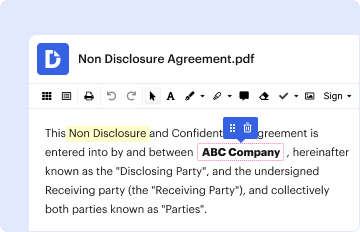
01. Edit your ch109 online
Type text, add images, blackout confidential details, add comments, highlights and more.
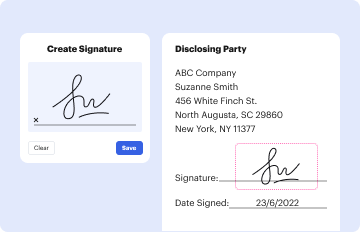
02. Sign it in a few clicks
Draw your signature, type it, upload its image, or use your mobile device as a signature pad.
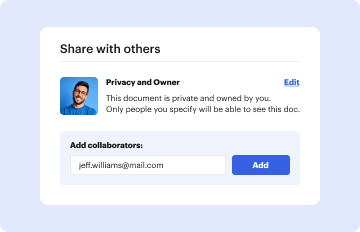
03. Share your form with others
Send ch 109 notice of court hearing via email, link, or fax. You can also download it, export it or print it out.
How to use or fill out CH-109 Notice of Court Hearing (Civil Harassment Prevention) with DocHub

- Click ‘Get Form’ to open the CH-109 Notice of Court Hearing in our editor.
- Begin by entering your full name and, if applicable, your lawyer's details including their name, State Bar number, and firm name. If you prefer to keep your home address private, provide an alternative mailing address.
- Fill in the case number once it is assigned by the court. Next, complete the section for the person from whom protection is sought by entering their full name.
- In the Notice of Hearing section, specify the date, time, department, and room for the scheduled hearing. Ensure this information is accurate as it is crucial for both parties involved.
- Indicate whether temporary restraining orders are granted or denied until the court hearing. If denied, provide reasons in the designated area.
- Complete any additional sections regarding confidential information about minors if applicable. Make sure to check any necessary boxes regarding confidentiality requests.
- Finally, review all entered information for accuracy before saving or printing your completed form using our platform’s features.
Start filling out your CH-109 form today on our platform for free!
Fill out CH-109 Notice of Court Hearing (Civil Harassment Prevention) online
It's free
It's free
See more CH-109 Notice of Court Hearing (Civil Harassment Prevention) versions
We've got more versions of the CH-109 Notice of Court Hearing (Civil Harassment Prevention) form. Select the right CH-109 Notice of Court Hearing (Civil Harassment Prevention) version from the list and start editing it straight away!
Got questions?
We have answers to the most popular questions from our customers. If you can't find an answer to your question, please contact us.
Contact us
What is a CH 109 form?
Notice of Court Hearing (Civil Harassment Prevention) (CH-109) Tells you when your court date is and whether the judge granted a temporary restraining order in your case.
What is a CH 109?
What Are The Key Differences Between Harassment And Restraining Orders? A Harassment Order is used when someone keeps bothering or threatening you, but hasnt physically hurt you. A Restraining Order is used when someone has hurt you or made serious threats.
What is the most common restraining order?
There are several types of restraining orders, but the most common ones that defendants face are: Domestic Violence Restraining Orders (DVRO): This is the most common type of restraining order. It is designed to protect victims of domestic violence by family or household members.
What is a CH-130?
Civil Harassment Restraining Order After Hearing. (CLETS-CHO) (Civil Harassment Prevention) CH-130.
What is a CH case in Illinois?
Chancery (CH) Chancery handles all cases where the resolution does not involve monetary damages. Examples of chancery cases include injunctions, mortgage foreclosures and mechanics lien. Eminent Domain (ED) Eminent Domain cases involve the taking of private land for public projects such as schools, roads, bridges, etc.
Security and compliance
At DocHub, your data security is our priority. We follow HIPAA, SOC2, GDPR, and other standards, so you can work on your documents with confidence.
Learn more


People also ask
What is the difference between a restraining order and a harassment order?
Civil harassment is defined as unlawful violence, a credible threat of violence, or a knowing and willful course of conduct directed at a specific person that seriously alarms, annoys, or harasses a person, and serves no legitimate purpose in the California Code of Civil Procedure 527.6 (b)(3).