




Here's how it works
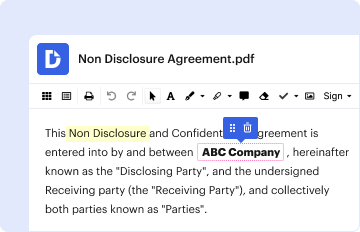
01. Edit your social work supervision contract template online
Type text, add images, blackout confidential details, add comments, highlights and more.
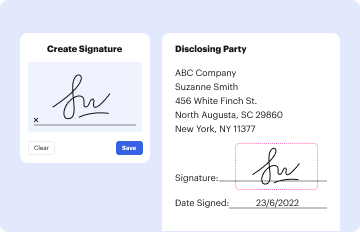
02. Sign it in a few clicks
Draw your signature, type it, upload its image, or use your mobile device as a signature pad.
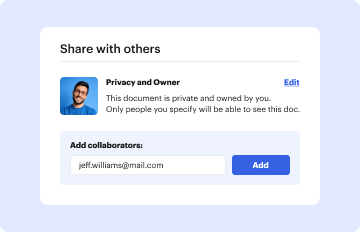
03. Share your form with others
Send social work supervision agreement via email, link, or fax. You can also download it, export it or print it out.
How to use or fill out supervision template social work with our platform

- Click ‘Get Form’ to open the supervision template in the editor.
- Begin with Part A, where both the Supervisor and Supervisee should fill in their names, addresses, and contact information. Ensure accuracy for effective communication.
- Complete the licensure level section by entering the license number, issue date, and expiration date. If applicable, indicate any additional licenses or certifications.
- In the Responsibilities and Rights section, both parties should clearly outline their expectations and obligations during the supervision process.
- Proceed to Part B for the Supervisee to describe their workplace duties and confirm if they will be diagnosing mental health disorders. Provide detailed explanations as needed.
- Fill in the proposed dates of supervision and set clear goals for what you aim to achieve during this period.
- Finally, in Part C, the Supervisor should detail their professional competencies and describe how they plan to provide supervision. Ensure all sections are completed before signing.
Start using our platform today to streamline your document editing and form completion for free!
Fill out supervision template social work online
It's free
It's free
See more supervision template social work versions
We've got more versions of the supervision template social work form. Select the right supervision template social work version from the list and start editing it straight away!
| Versions | Form popularity | Fillable & printable |
|---|---|---|
| 2008 | 4.7 Satisfied (61 Votes) |
Got questions?
We have answers to the most popular questions from our customers. If you can't find an answer to your question, please contact us.
Contact us
What are the 7 principles of supervision?
Five Steps of Supervision Provide employees with the tools they need to do their jobs. Provide employees with the training they need to do their jobs. Help employees set goals to improve their performance. Become a resource. Hold staff accountable.
What are the 5 points of supervision?
Page 1 Effective supervision. Supervision recording template. Name of supervisee: Actions from the previous meeting. What challenges have I faced since my last supervision and how have I managed and overcome them? Feedback from supervisor: Signed: Further information and advice about Effective supervision is available from.
What are the 5 components of supervision?
By addressing the five needs of supervisionknowledge of the work, knowledge of responsibilities, the skill to instruct, the skill to lead people, and the skill to improve methodscompanies can ensure that their supervisors are well-equipped to manage, support, and inspire their teams.
What are the 5 principles of active supervision?
Download the Active supervision in 6 steps poster and display it in your service. Set up the environment. Position educator. Scan and count. Listen. Anticipate behaviour. Engage and redirect.
What are the 5 things to ensure proper supervision?
(1) Be alert and responsive; (2) Know where the child is; (3) Be able to see or hear the child; (4) Be near enough to the child to render immediate assistance; and (5) Provide supervision appropriate to the individual age, needs, capabilities, activities, and location of the child.
Security and compliance
At DocHub, your data security is our priority. We follow HIPAA, SOC2, GDPR, and other standards, so you can work on your documents with confidence.
Learn more


People also ask
What should social work supervision look like?
In this article, based on my own reflections on a decade spent researching the topic, I propose seven principles of effective supervision for child and family social work (i) collaboration, (ii) thinking aloud, (iii) emotional reflection in relation to casework, (iv) explicit identification of need, risk, harm and
What are the 5 keys of supervision?
The five key supervisory roles include Educator, Sponsor, Coach, Counselor, and Director. Each is described below. Note that in your role as a supervisor, you will be using these five roles, in some combination, simultaneously, depending on the needs of the team members.