What is the meaning of restraint order?
A restraint order is an order which has the effect of freezing the assets and bank accounts of the persons against whom it is directed, in consequence of a belief by the authorities that some crime has been committed from which a person has benefited financially.
What is the shortest restraining order you can get?
Emergency Protective Order (EPO): Typically, law enforcement officers or judges can grant an EPO, which provides immediate but temporary protection. An EPO is usually effective for a short duration, often lasting a few days, giving the victim time to seek additional legal protection.Feb 26, 2024
What is the most common restraining order?
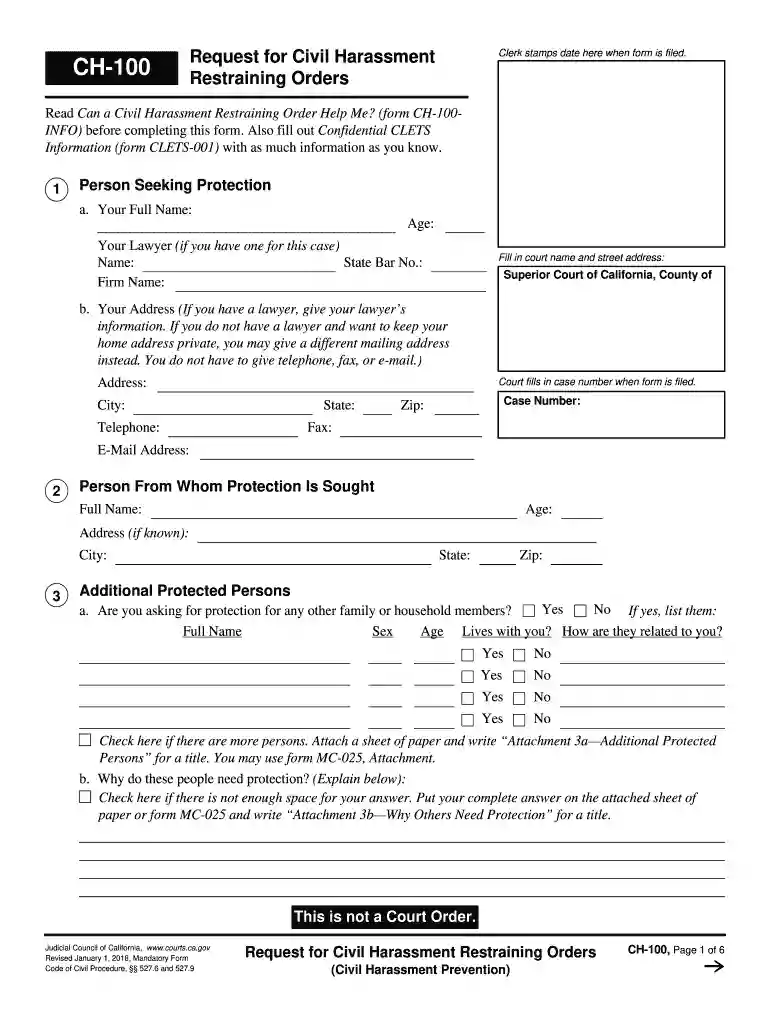
The most common type of restraining order is the Domestic Violence Restraining Order (DVRO), used for abuse (physical, emotional, sexual, stalking, threats) within close relationships like marriage, dating, or cohabitation, while Civil Harassment Restraining Orders (CHROs) are also very common for non-domestic situations (neighbors, coworkers). Both protect victims from contact, harassment, and harm, but DVROs usually involve specific relationship requirements and often have broader scope, while CHROs cover general harassment and threats. Domestic Violence Restraining Orders (DVROs) Who theyre for: Spouses, ex-spouses, partners, cohabitants, parents of a child, or people with a dating relationship. What they cover: Physical abuse, threats, sexual assault, stalking, emotional/psychological abuse, financial control, or isolation. Key Feature: Requires a specific protected relationship between the parties. Civil Harassment Restraining Orders (CHROs) Who theyre for: Victims of harassment, violence, or credible threats from someone they dont have a domestic relationship with, like a neighbor, coworker, or acquaintance. What they cover: Similar acts of violence or harassment, but without the domestic tie. Other Common Types Criminal Protective Orders (CPOs): Issued by criminal courts during criminal cases (like stalking or elder abuse). Elder/Dependent Adult Abuse Restraining Orders: For victims 65+ or dependent adults experiencing abuse, neglect, or financial exploitation. In Summary While the specific terminology varies by state, Domestic Violence Restraining Orders are generally the most frequently sought and discussed due to the nature of the relationships involved, with Civil Harassment orders being the next most common for broader societal interactions, notes the Law Offices of Anastacio De La Cruz and ADZ Law. For legal advice, consult a professional. Domestic Violence Restraining Orders in CaliforniaIt can be granted against someone who has abused you or your children. Abuse can: Be emotional, psychological, verbal or physical.California Courts Self-Help (.gov)Domestic Violence Restraining Orders | Superior Court of CaliforniaAn elder/dependent adult abuse restraining order applies to a person seeking a protective order who falls within the definition ofSan Diego Superior Court (.gov)
What is the quickest way to get a restraining order?
The fastest way to get a restraining order is to call 911 (if in immediate danger) or go to the police so they can request an Emergency Protective Order (EPO) from a judge, providing instant, short-term protection (e.g., 72 hours). For longer-term protection, file a petition at your local courthouse (family court) to get a temporary restraining order (TRO) by the same or next business day, which requires a judge to review your case quickly, focusing on immediate danger and specific details of abuse. For Immediate Danger (Hours/Days) Call 911: If you are in immediate physical danger, call 911 for police response. Police Request EPO: An officer can request an Emergency Protective Order (EPO) from a judge, which takes effect immediately and lasts a few days (e.g., 72 hours). File for Longer Order: While the EPO is active, go to the courthouse to file for a Temporary Restraining Order (TRO) for longer protection, as judges review these quickly (same or next day). For Urgent Protection (Same Day/Next Day) Go to the Courthouse: Visit the family court in the county where you live or where the abuse occurred. File Petition: Tell the Clerk of Court you need a protective order and fill out the petition with specific, direct details of abuse (when, where, how). Judge Review: The clerk gives it to a judge who decides on a TRO that same day or the next, often without the abuser present (ex parte). Service: The order must be served (delivered) to the abuser, often by law enforcement. Key Tips for Speed Be Clear Concise: Provide only essential, recent information in your petition; long narratives delay the process. Gather Evidence: Have photos, texts, or medical records ready if possible, as they support your case. Seek Support: Domestic violence agencies can help with paperwork and understanding your rights. For legal advice, consult a professional. Domestic Violence Restraining Orders in CaliforniaWhat if you need protection right away? In most counties, you will not talk to a judge right away. But, a judge will make a decisiCalifornia Courts Self-Help (.gov)California Restraining Orders - WomensLaw.orgIf a police officer responds to a domestic violence call, the police officer can call a judge anytime, day or night and ask that aWomensLaw.org
How does a restraining order work in Kentucky?
A protective order (EPO/TIPO) is effective until the court hearing is held, usually within 14 days. If the respondent has not been served with the EPO/ TIPO, the order will be continued until service is made (up to six months) or until the order is withdrawn by the court.