Request to Withdraw Dividends 2026

Get Form
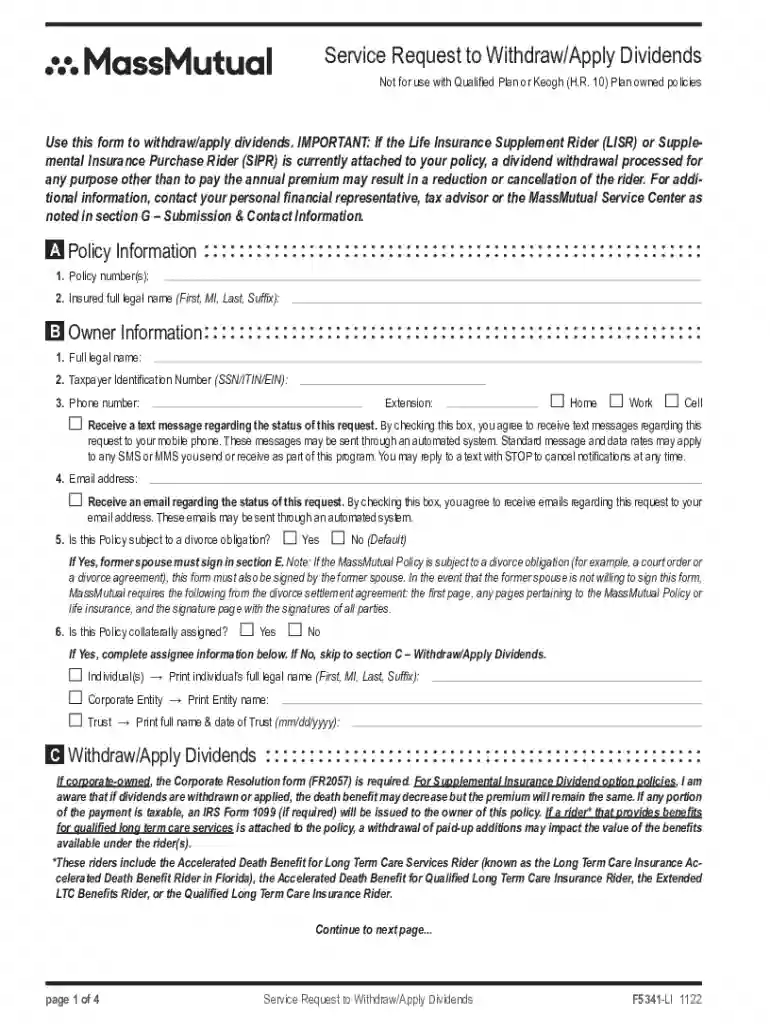
Request to Withdraw Dividends Preview on Page 1

Here's how it works

01. Edit your form online
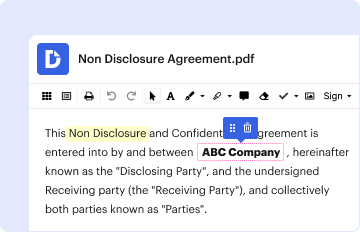
Type text, add images, blackout confidential details, add comments, highlights and more.

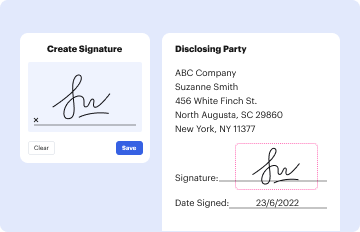
02. Sign it in a few clicks
Draw your signature, type it, upload its image, or use your mobile device as a signature pad.

03. Share your form with others
Send it via email, link, or fax. You can also download it, export it or print it out.

How to use or fill out Request to Withdraw Dividends with our platform

Form edit decoration
9.5
Ease of Setup
DocHub User Ratings on G2
9.0
Ease of Use
DocHub User Ratings on G2
  1. Click ‘Get Form’ to open the Request to Withdraw Dividends in the editor.
  2. Begin by filling out the Policy Information section. Enter your policy number and the insured's full legal name, including any suffix.
  3. In the Owner Information section, provide your full legal name, Taxpayer Identification Number, and contact details. If applicable, check the boxes for text and email notifications regarding your request.
  4. Proceed to the Withdraw/Apply Dividends section. Select which dividends you wish to withdraw or apply and specify amounts as needed.
  5. Complete the Delivery Information section if you are opting for cash withdrawals. Choose how you would like to receive your payment and provide necessary mailing details.
  6. In the Withholding Election section, decide whether you want federal income tax withheld from your distribution.
  7. Finally, review the Agreements & Signatures section. Ensure all required signatures are provided before submitting your form.

Start using our platform today for free to streamline your dividend withdrawal process!

See more Request to Withdraw Dividends versions

We've got more versions of the Request to Withdraw Dividends form. Select the right Request to Withdraw Dividends version from the list and start editing it straight away!
Versions Form popularity Fillable & printable
2023 4.1 Satisfied (43 Votes)
2014 4 Satisfied (26 Votes)
be ready to get more

Complete this form in 5 minutes or less

Get form

Got questions?

We have answers to the most popular questions from our customers. If you can't find an answer to your question, please contact us.
Contact us
Dividends can be paid out in cash, by check or electronic transfer, or in stock, with the company distributing more shares to the investor. Cash dividends provide investors income, but come with tax consequences; they also cause the companys share price to drop.
Withdrawing dividends reduces your policys cash value and may lower future dividend payments. If total withdrawals exceed your cost basis, you could owe taxes on the excess amount.
Key Takeaways. Youll need a portfolio worth about $300,000 generating a 4% dividend yield to earn $1,000 in monthly passive income. Building a diversified collection of 20 to 30 dividend stocks across different sectors helps protect your income.
If the dividend credit is unsuccessful for any reason, the companys RTA will issue a dividend warrant and courier it to the investors registered postal address. The investor can deposit the warrant into their bank account and encash it.
Dividends are payments made by companies to their shareholders based on the number of shares they own. Dividends are usually paid when a company has excess cash that is not being reinvested into the company. This excess cash is divided up among shareholders and paid out to them.

Security and compliance

At DocHub, your data security is our priority. We follow HIPAA, SOC2, GDPR, and other standards, so you can work on your documents with confidence.

Learn more
ccpa2
pci-dss
gdpr-compliance
hipaa
soc-compliance
be ready to get more

Complete this form in 5 minutes or less

Get form

People also ask

Dividends are paid per share. If a company announces a dividend payment of $0.15 per share and you own 100 shares, your dividend payment will be $15 and will be deposited into your brokerage account. Mutual funds and exchange-traded funds (ETFs) receive dividend payments and divide them up among their investors.
Qualified dividends are taxed at the lower capital gains tax rates0%, 15%, or 20%, depending on your income level, which can save you a good chunk of money. Ordinary dividends are taxed at your regular income tax rate, which could be much higher.

Related links