






Definition & Meaning
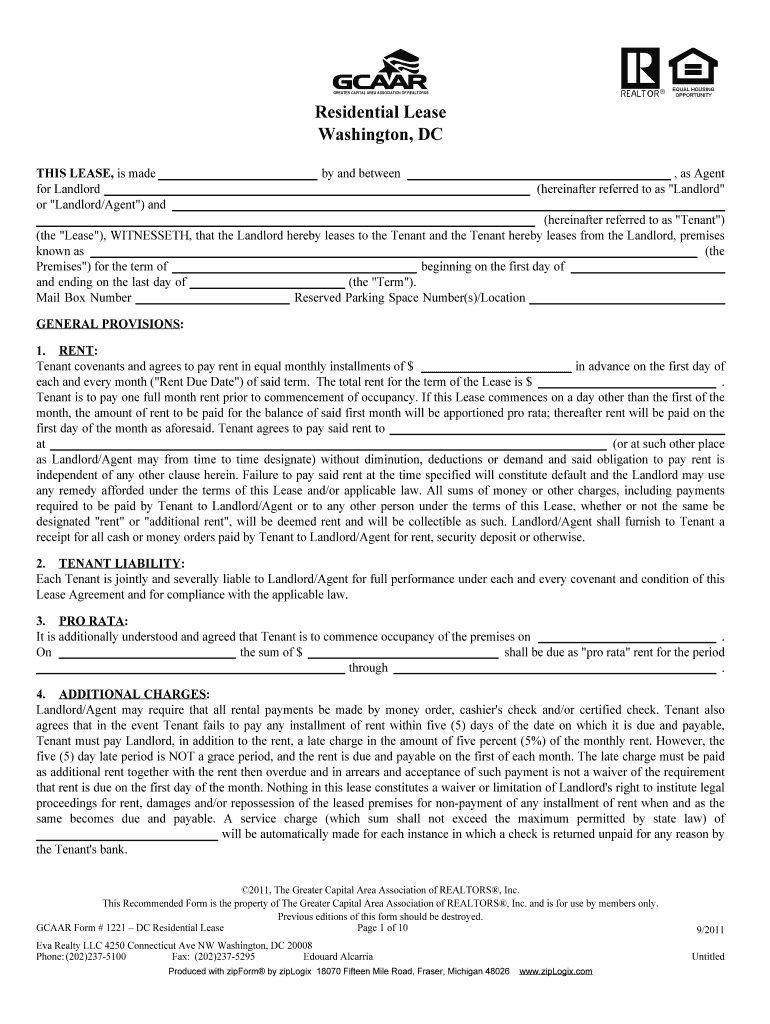
The DC Lease Agreement is a legally binding document designed to formalize the rental relationship between a landlord and a tenant for a property located in Washington, DC. It articulates the rights and responsibilities of both parties over a specified rental period, generally encompassing terms related to rent, security deposits, property maintenance, and legal obligations. As a document critical to ensuring clear communication and understanding between involved parties, it acts as both a guide and a protective measure. By defining the expectations, it minimizes potential disputes, clarifying each party's duties through detailed clauses that adhere to local housing regulations.
Key Elements of the DC Lease Agreement
A comprehensive DC Lease Agreement includes several key elements:
-
Rent Payment: Specifies the monthly rental amount, due date, and acceptable payment methods. It may also outline late fees or penalties for delinquent payments.
-
Security Deposit: Details the amount required for the security deposit, conditions for its use, and circumstances under which it will be returned to the tenant.
-
Maintenance Responsibilities: Outlines the responsibilities of both the landlord and tenant in maintaining the property in good condition. It includes provisions for repairs and routine upkeep.
-
Use of Premises: Defines permissible uses of the rental property and restrictions, such as no commercial activity or subletting without the landlord's consent.
-
Termination Clause: Explains the conditions under which the lease may be terminated, including notice periods required for either party to end the tenancy.
State-specific Rules for the DC Lease Agreement
Washington, DC has specific rules that influence the lease agreement:
-
Rent Control: DC laws may impose rent control in certain buildings, regulating allowable rent increases. The agreement should adhere to current regulations.
-
Disclosure Requirements: DC mandates disclosures such as lead paint for properties built before 1978 and other safety hazard notices.
-
Emergency Access: Legal requirements stipulate the landlord's right to enter the property in emergencies, needing to be clear within the lease terms.
Steps to Complete the DC Lease Agreement
-
Collect Information: Gather necessary details including tenant information, property address, and key lease terms such as rent and duration.
-
Draft the Agreement: Using a standard DC lease template, begin drafting the agreement. Ensure to include all required elements and state-specific clauses.
-
Review with Legal Counsel: Involving a legal professional can safeguard the agreement against oversight, ensuring compliance with DC laws.
-
Sign and Execute: Both parties should review the completed document before signing. Once signed, distribute copies to the tenant and landlord for records.
Legal Use of the DC Lease Agreement
The DC Lease Agreement must conform to legal standards to be enforceable. It provides a legal framework supporting both landlord and tenant rights under DC law, addressing potential disputes through pre-defined terms. The inclusion of compliance language with local law strengthens its enforceability in court, offering protections such as documented procedures for eviction and resolution of disagreements. Familiarization with regulations around privacy, health, and safety ensures that these rights are protected and landlords meet obligations, abiding by housing laws and tenant rights acts.
Important Terms Related to DC Lease Agreement
Understanding related terminology is essential:
-
Tenancy Duration: Specifies the lease period, noting options for renewal or transition into a month-to-month basis.
-
Default and Remedies: Details actions constituting a lease default and possible remedies available to the landlord, including eviction processes.
-
Subletting Provisions: Establishes the rules around subletting the premises, requiring written consent from the landlord.
Who Typically Uses the DC Lease Agreement
The primary users are landlords and tenants within Washington, DC. Landlords use it to outline terms and protect their property interests, while tenants engage in it to confirm living arrangements and secure their tenant rights. Both parties benefit from the structured format that aids in streamlined decision-making, promoting a stable and harmonious rental relationship. Additionally, property managers and real estate professionals utilize this agreement to facilitate professional management of rental properties.


Examples of Using the DC Lease Agreement
Consider these scenarios:
-
New Tenancy: When a tenant moves into a DC apartment, the lease agreement establishes all necessary terms and expectations from the outset to prevent misunderstandings.
-
Lease Renewal: Existing tenants may renew their lease under updated terms reflecting changes in rent or additional services.
-
Property Management Transitions: When a property is managed by a new company, they use lease agreements to onboard tenants into their system seamlessly.
Each scenario illuminates the agreement's utility in various property management, tenancy change, and renewal processes.