







Understanding the Form 68 Lease Rental Agreement
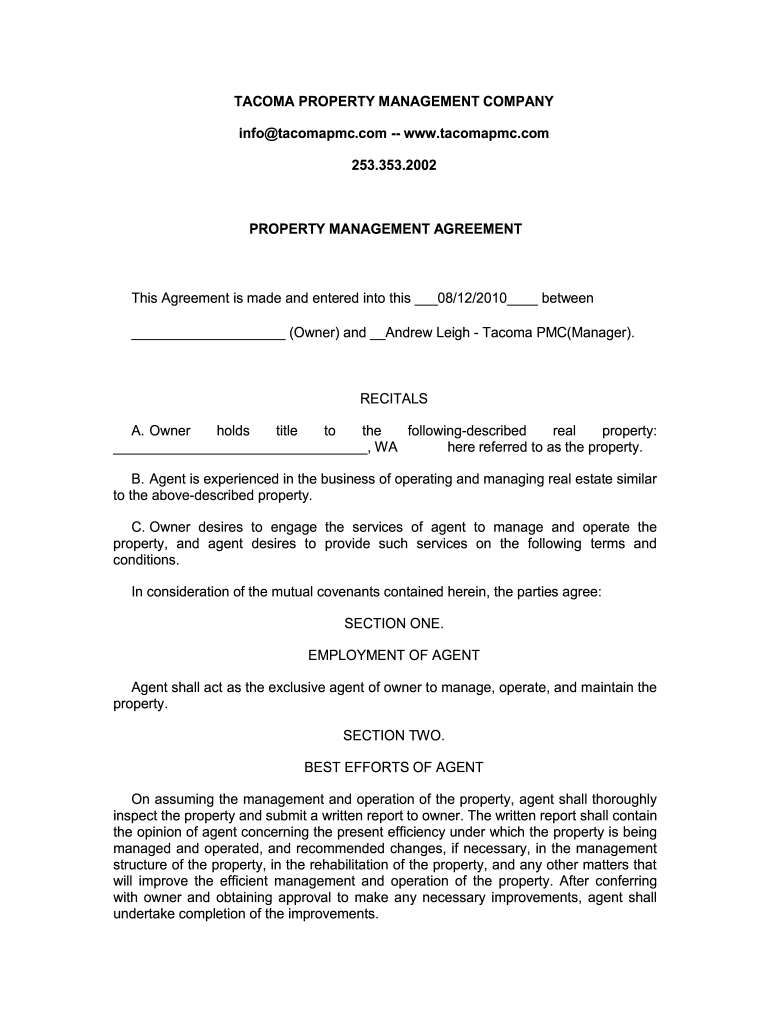
The Form 68 Lease Rental Agreement is a standardized document used primarily in real estate transactions in the United States. It serves to outline the terms of a rental agreement between landlords and tenants, ensuring that both parties understand their rights and responsibilities. This agreement is legally binding and is designed to protect the interests of both parties.
Key Components of the Form 68
The Form 68 includes several critical elements that provide clarity and structure to the rental agreement:
- Parties Involved: The form clearly identifies the landlord and tenant by including full names and contact information. This establishes who is responsible for the terms of the lease.
- Property Description: The specific address and details of the rental property are documented, ensuring both parties know exactly which property is being leased.
- Rent Payment Terms: The lease outlines the monthly rental rate, payment due dates, and acceptable payment methods. This clarity helps prevent misunderstandings regarding payment expectations.
- Lease Duration: The agreement specifies the lease term, detailing whether it is for a fixed period (e.g., one year) or month-to-month. This information is crucial for both parties to understand their commitment duration.
Additional Terms and Conditions
Beyond the basic details, the Form 68 also includes various clauses that address additional terms and conditions relevant to the lease:
- Security Deposit: The document specifies the amount required for the security deposit and the conditions for its return at the end of the lease term.
- Maintenance and Repairs: Responsibilities regarding property maintenance are outlined, designating what the tenant is accountable for (e.g., keeping the property clean) and what the landlord must manage (e.g., repairs).
- Rules and Regulations: The agreement may include community rules that the tenant must follow, ensuring that the property remains a safe and enjoyable environment for all residents.
Signature and Execution of the Agreement
The lease must be executed properly for it to be legally binding:
- Signatures: Both parties must sign the Form 68, indicating their acceptance of the terms laid out in the document. Dates next to signatures enhance clarity regarding when the agreement was entered into.
- Witness or Notary: Depending on the state and specific agreements, a witness or notary public may be required to attest to the signatures, adding another layer of legal validity.
Common Issues with Lease Agreements
Landlords and tenants may face common issues that stem from misunderstandings related to the agreement:
- Late Payments: Disputes often arise over late rent payments, highlighting the importance of clear terms regarding grace periods and late fees.
- Property Damage: Tenants may be held responsible for damages beyond normal wear and tear, which can lead to disputes over what constitutes acceptable use of the property.
- Termination Clauses: Understanding the conditions under which either party can terminate the lease is vital to avoid displacement or legal issues.
Variants and State-Specific Regulations
The Form 68 is a general framework but may vary slightly depending on the state or local jurisdiction. Variants may include:
- Northwest Multiple Listing Service Form 68: Specific to certain real estate markets, this form may contain additional clauses relevant to local laws and regulations.
- Form 68b: This variant outlines additional terms or modifications to the standard lease, catering to specific circumstances or requests from either party.
Being aware of state-specific regulations regarding rental agreements can prevent legal complications and ensure proper compliance with local laws.
Practical Use Cases for Landlords and Tenants
Using the Form 68 effectively involves recognizing situations where a formal agreement is especially beneficial:
- First-Time Landlords: Individuals renting out their property for the first time can use the document as a comprehensive guide to address common issues in lease agreements.
- Tenants Seeking Stability: For tenants, having a clear, legally-binding document helps provide peace of mind, knowing their rights are protected.
Importance of Legal Compliance
Understanding and adhering to the legal requirements surrounding the Form 68 Lease Rental Agreement is crucial for both landlords and tenants. Non-compliance can lead to financial penalties, eviction, or damages. By ensuring that the agreement is filled out correctly and executed in accordance with local laws, both parties can safeguard their interests and foster a smooth rental experience.




